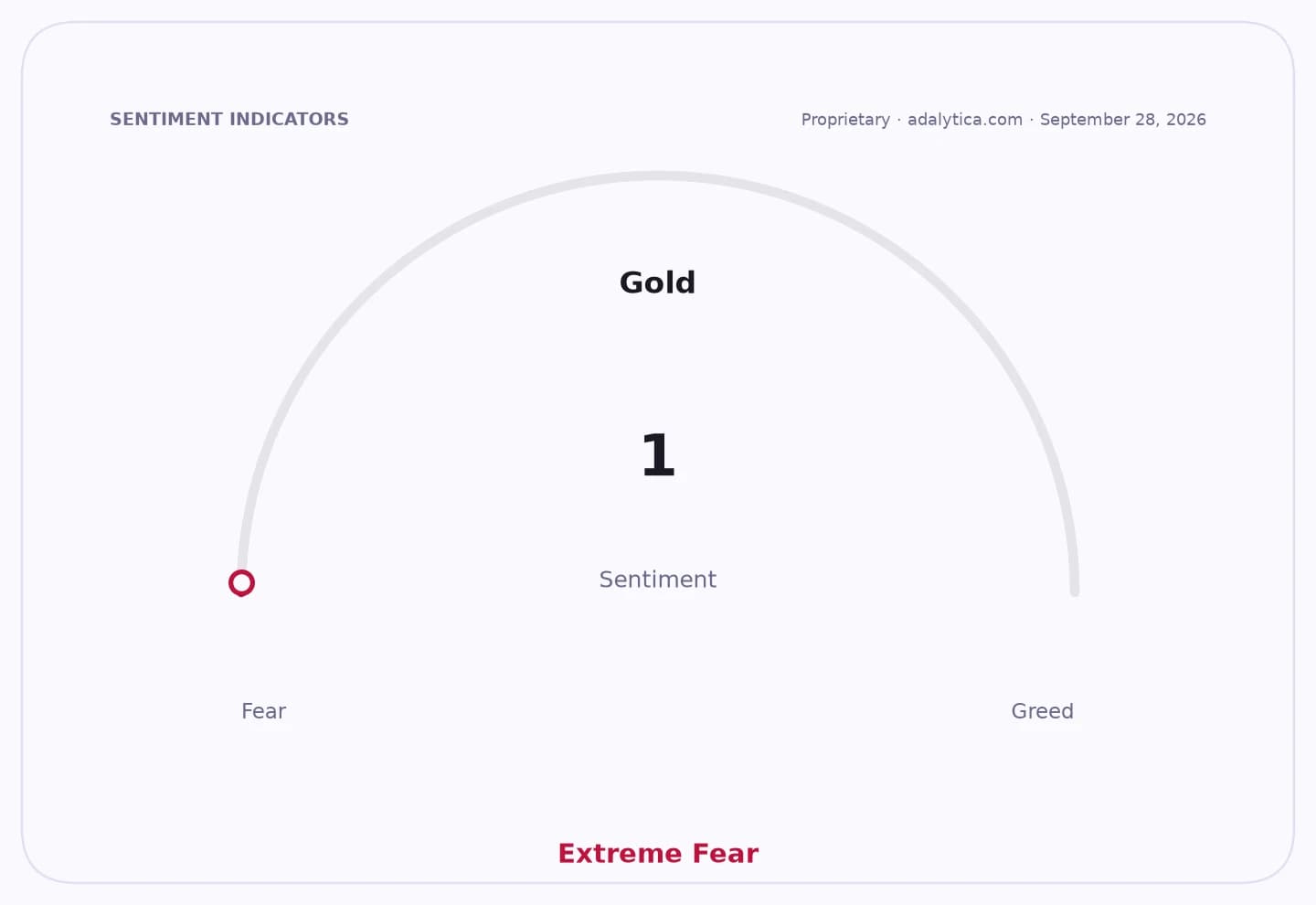
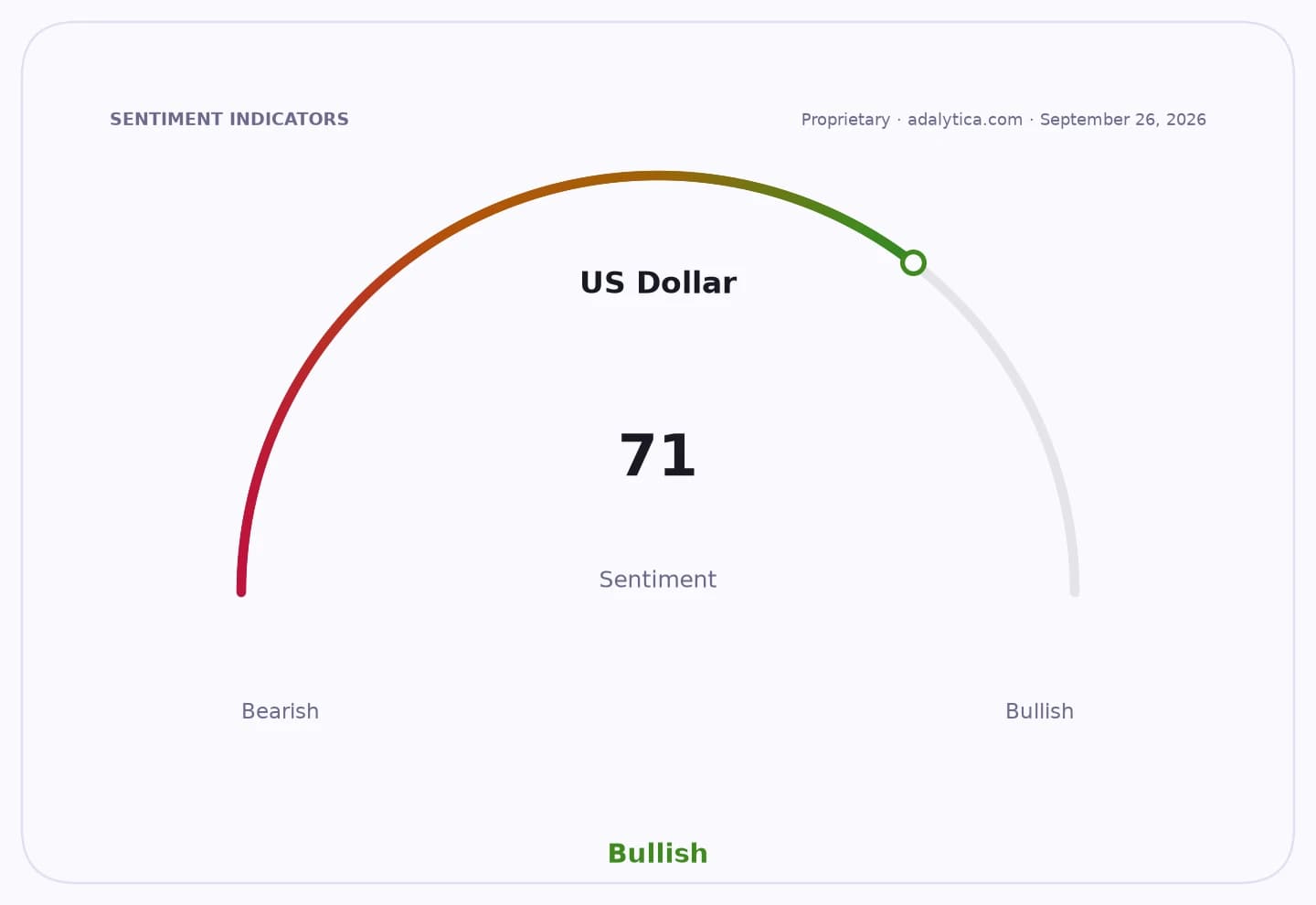
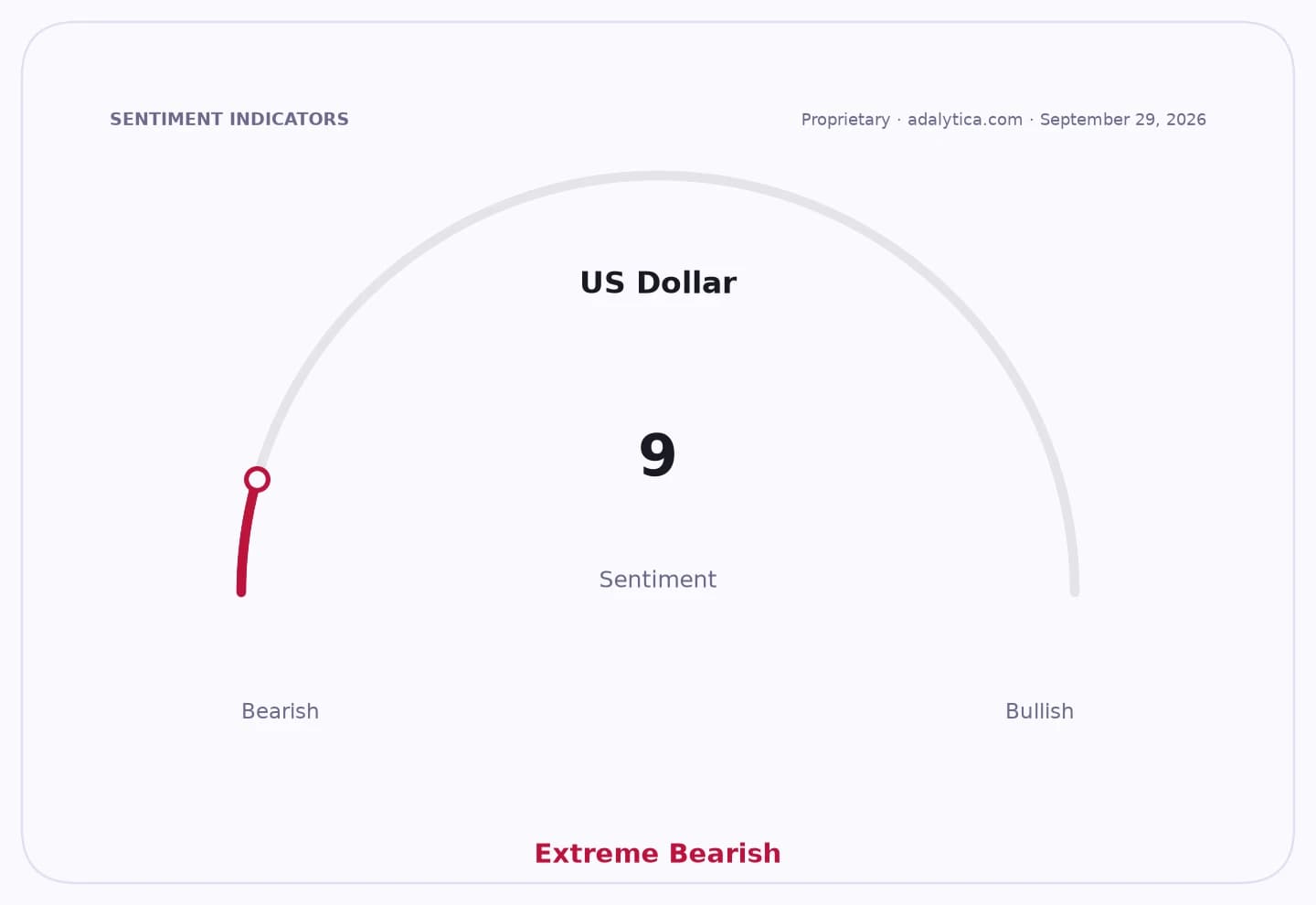
Gold’s latest pullback is a reminder that even one of the world’s most trusted stores of value can stumble when U.S. interest rates stay higher for longer. On Sept. 24, SJC bars and plain gold rings in Vietnam fell sharply in line with a 1.82% drop in world gold, as a firmer dollar and persistently elevated Treasury yields made the metal less attractive to hold.
Gold Pulls Back as U.S. Yields Stay High
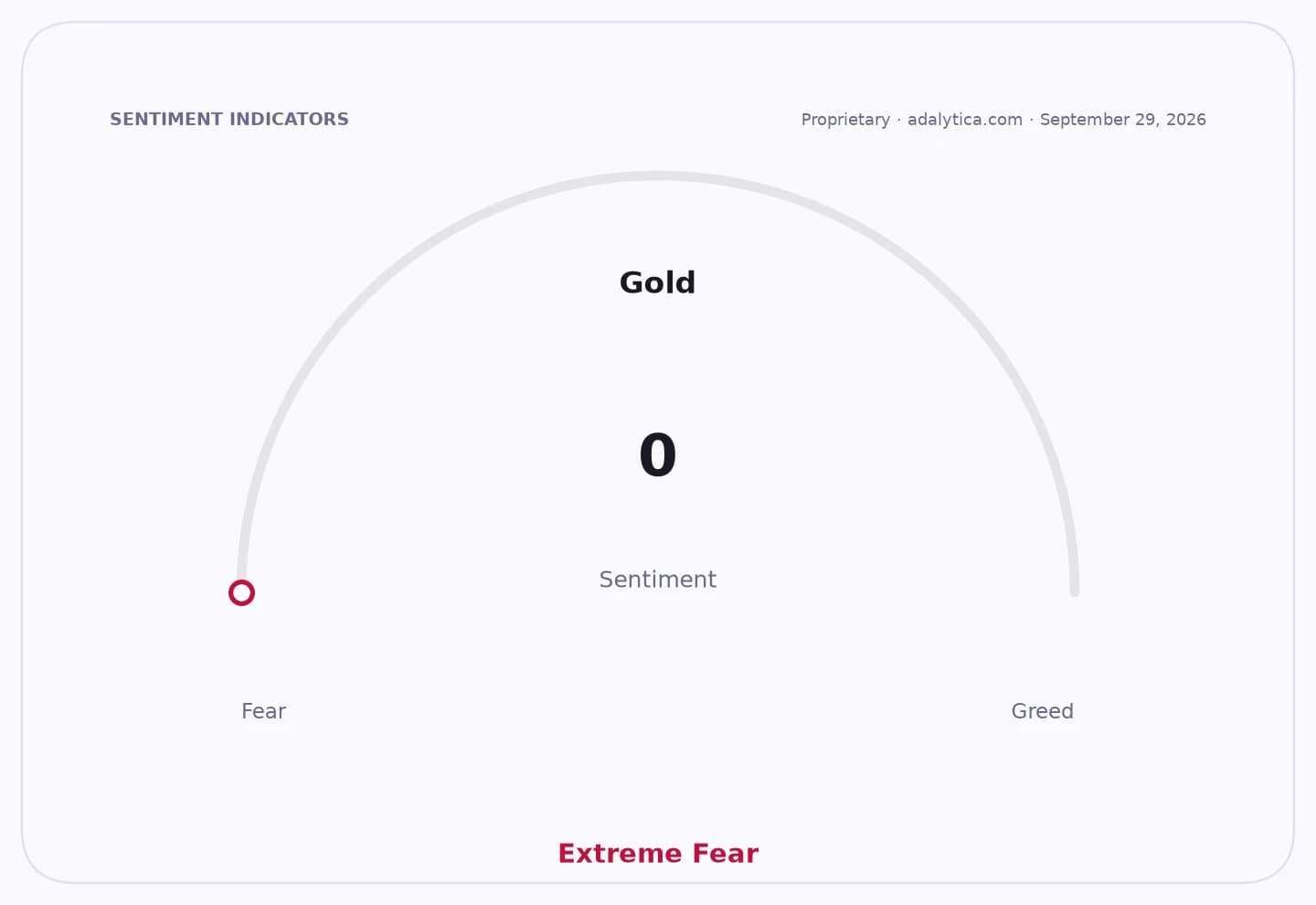
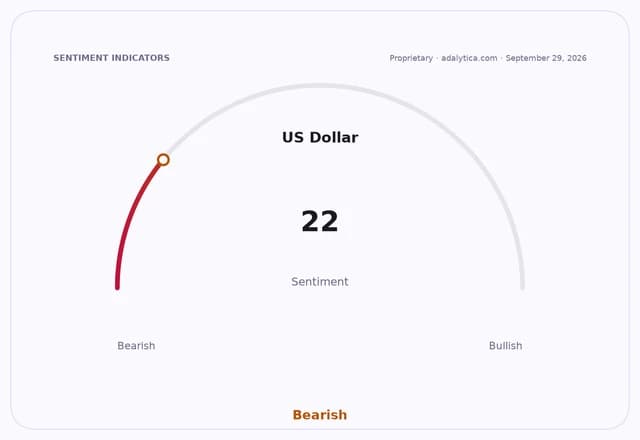
For investors, that matters because gold does not pay interest. When the U.S. 10-year yield stays near 5%, the opportunity cost of owning bullion rises, and capital tends to rotate toward assets that offer income or stronger near-term returns. Add a U.S. dollar near two-month highs, and gold becomes more expensive for buyers using other currencies, putting additional pressure on global demand.
The move filtered quickly into Vietnam’s domestic market. SJC bars at Saigon Jewelry fell 600,000 dong a tael from the prior session, while Phu Quy also cut its quoted price by the same amount. Plain 9999 rings dropped 500,000 to 600,000 dong a tael depending on the dealer. The fall came after a period in which Vietnam’s gold market had already been volatile, with domestic prices previously climbing close to 147 million dong a tael before easing back.
That local slide is economically important because Vietnam is one of the markets where retail gold demand can amplify global price swings. When world bullion weakens, the domestic market often has little choice but to reprice quickly, especially in the most liquid SJC bars and standardized rings. For households and traders who bought into the recent rally, that means mark-to-market losses arrive fast.
The bigger narrative, though, is that gold is now trading less like a one-way inflation hedge and more like a macro asset tethered to U.S. monetary expectations. The market is watching fresh American data, including preliminary September PMI readings, weekly jobless claims, durable-goods orders and consumer sentiment. If those numbers remain firm, the case for keeping rates elevated gets stronger, which could keep gold under pressure. If growth softens, gold could regain some of its safe-haven appeal.
There is still a geopolitical floor under the market. Tensions in the Middle East have not disappeared, and any renewed escalation could revive demand for havens. But for now, the dominant forces are financial: a strong dollar, sticky yields and a market that no longer wants to pay up for non-yielding assets.
For long-term investors, the takeaway is not to chase every dip or panic on every downdraft. Gold still has a place as a portfolio diversifier, especially when macro risks are rising. But this move shows why position sizing matters. The metal can protect wealth over years, yet in the short run it is still highly sensitive to the dollar and U.S. rates — and that makes patience more valuable than timing. Gold looks worth keeping on the watchlist, not rushing into blindly.
| Entity | Gains | Losses |
|---|---|---|
| U.S. dollar | ▲Stronger relative demand | ▼Gold buyers in other currencies |
| U.S. Treasury yields | ▲Income appeal rises | ▼Non-yielding bullion |
| Long-term gold investors | ▲Potential future safe-haven support | ▼Near-term mark-to-market losses |
| Vietnamese SJC/ring buyers | ▲Lower entry prices | ▼Recent buyers facing price drops |