Egypt’s gold market is telling two stories at once: prices are still elevated, but households are buying less, and that weak demand is what matters most for investors who track the metal’s long-term role as both a store of value and a consumer good.
Egypt Gold Demand Falls as Prices Stay High

The price of 21-karat gold in Egypt rose to 6,270 pounds per gram on Tuesday, while 24-karat gold reached 7,152 pounds and a gold pound coin cost 49,975 pounds. At the same time, data from the World Gold Council showed demand for gold jewelry in Egypt fell to about 5.2 tons in the first quarter, down 19% year on year, underscoring how inflation and squeezed purchasing power are biting into discretionary spending.
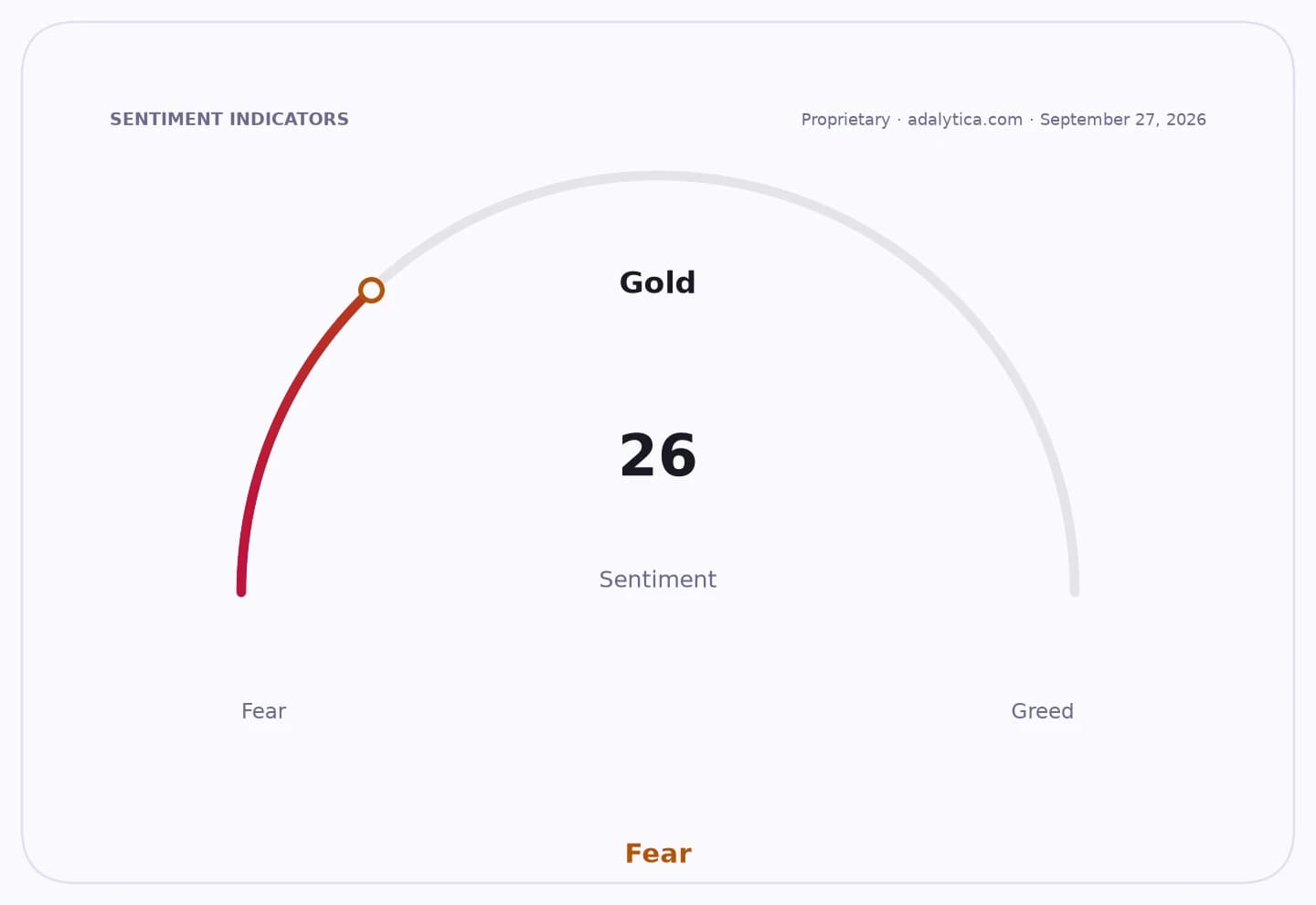
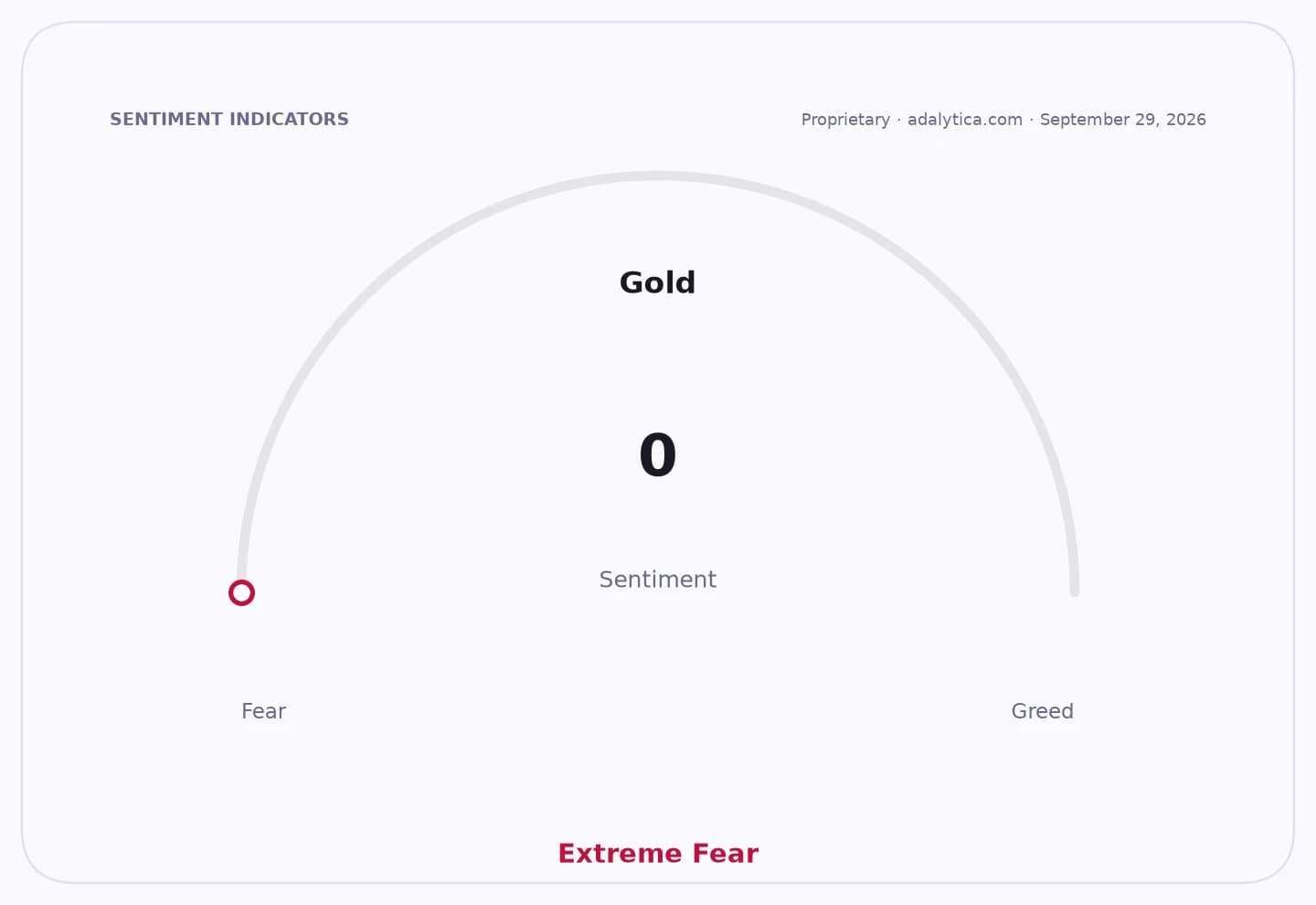
Sentiment IndicatorsⓘProprietary · adalytica.com · September 27, 2026
This is a snapshot — live sentiment, awareness and momentum for 130+ markets update continuously in the dashboard.Open AlphaPulse
That combination is important economically because Egypt is not just a consumer of gold — it is a market where jewelry demand can act as a real-time gauge of household confidence. When buyers pull back, it often reflects broader stress in the economy: weaker incomes, tighter budgets and a preference to preserve cash rather than convert it into adornment. In practical terms, high gold prices can protect wealth for those who already own bullion, but they also make it harder for ordinary buyers to enter the market.
Global forces are still doing much of the heavy lifting behind the price. A stronger dollar and reduced expectations for U.S. interest-rate cuts tend to weigh on gold, since the metal pays no yield and becomes less attractive when borrowing costs stay high. Yet safe-haven demand has not disappeared. Geopolitical tensions in the Middle East and uncertainty around U.S. trade policy continue to support buying, helping keep gold near elevated levels even as some technical momentum cools.
For investors, the message is less about chasing a daily quote and more about understanding the underlying trend. Gold can still serve as a portfolio hedge in periods of political stress and currency volatility, but price strength is not the same thing as robust physical demand. The latest Egyptian figures suggest the market is becoming more selective: buyers are sensitive to price, while sellers and existing holders benefit from the metal’s firmness.
That makes the next leg in gold more dependent on whether inflation pressure, central-bank policy and the dollar move in the metal’s favor. If U.S. rates stay high for longer, bullion could remain capped. If policy easing returns and geopolitical risks stay elevated, gold’s appeal as a long-term diversifier should stay intact. For investors, it remains a worthy watchlist asset — but one best owned patiently, not traded emotionally.
| Entity | Gains | Losses |
|---|---|---|
| Existing gold holders | ▲Higher nominal prices | ▼— |
| Egyptian jewelry buyers | ▲— | ▼Higher purchase costs |
| Gold sellers/jewelry retailers | ▲Pricier inventory | ▼Softer unit demand |
| Long-term portfolio investors | ▲Inflation hedge, diversification | ▼Near-term volatility |