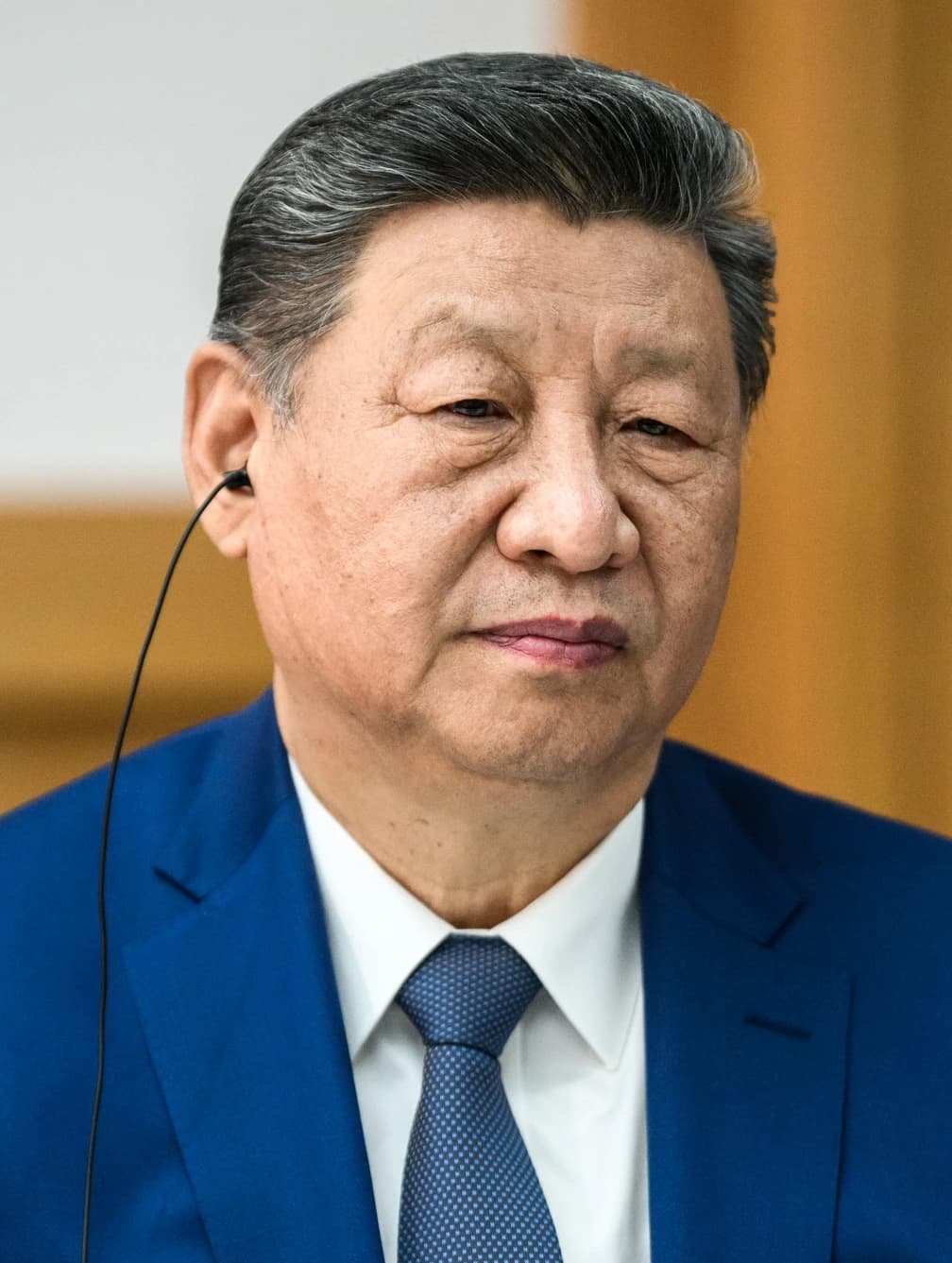
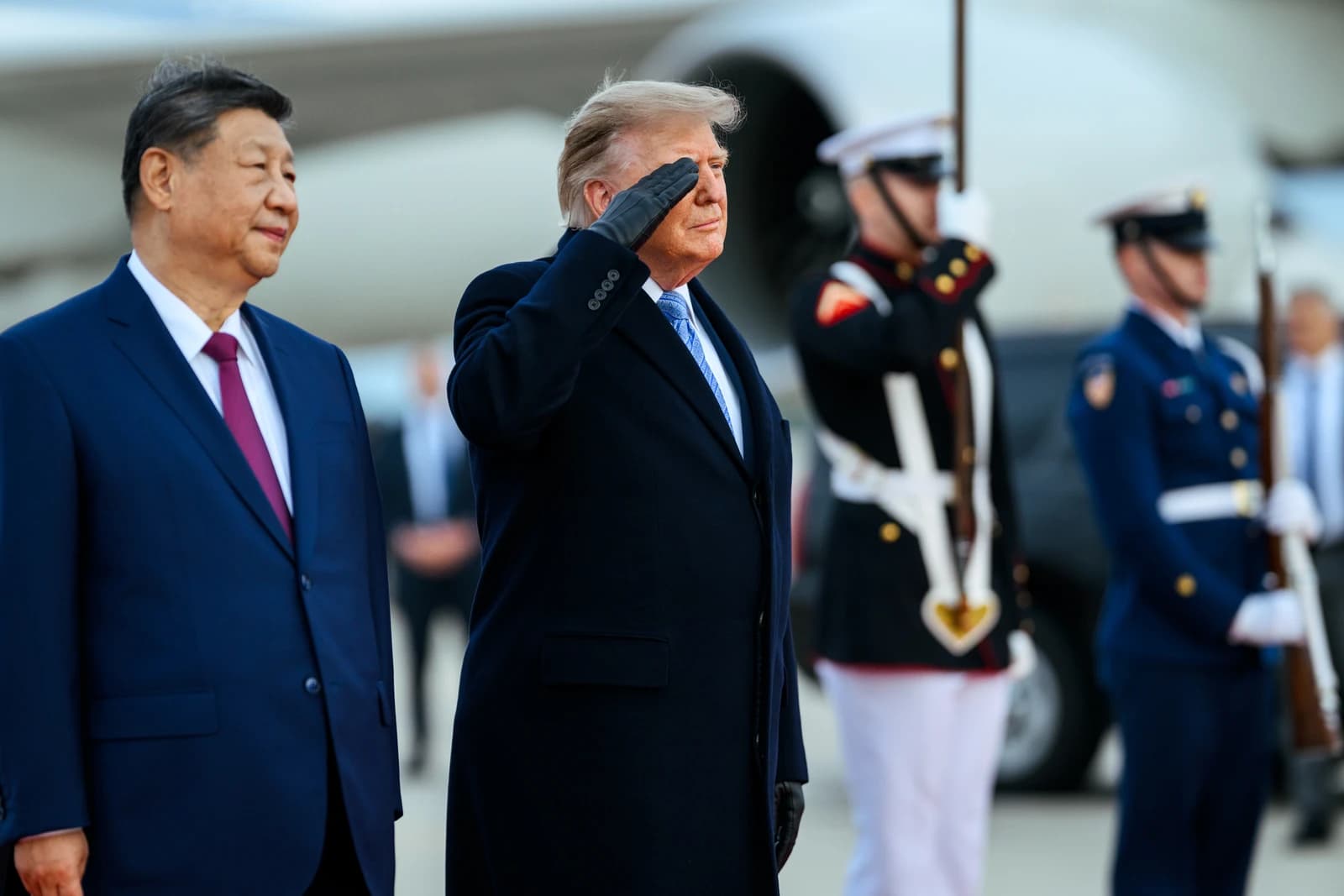
The US and China agreed to extend their trade truce until Jan. 10, buying time for the world’s two largest economies to avoid another round of tariff escalation as President Donald Trump hosted Xi Jinping in Washington for the Chinese leader’s first US visit in nearly three years.
US China Trade Truce Extended to Jan. 10
The extension matters because it removes, at least temporarily, one of the biggest downside risks hanging over global growth, supply chains and risk assets. The two countries have spent much of 2025 locked in a tariff war that pushed levies into triple-digit territory and rattled markets across commodities, equities and currencies. A truce extension does not resolve the deeper strategic split, but it lowers the probability of an immediate shock to trade flows and corporate earnings.
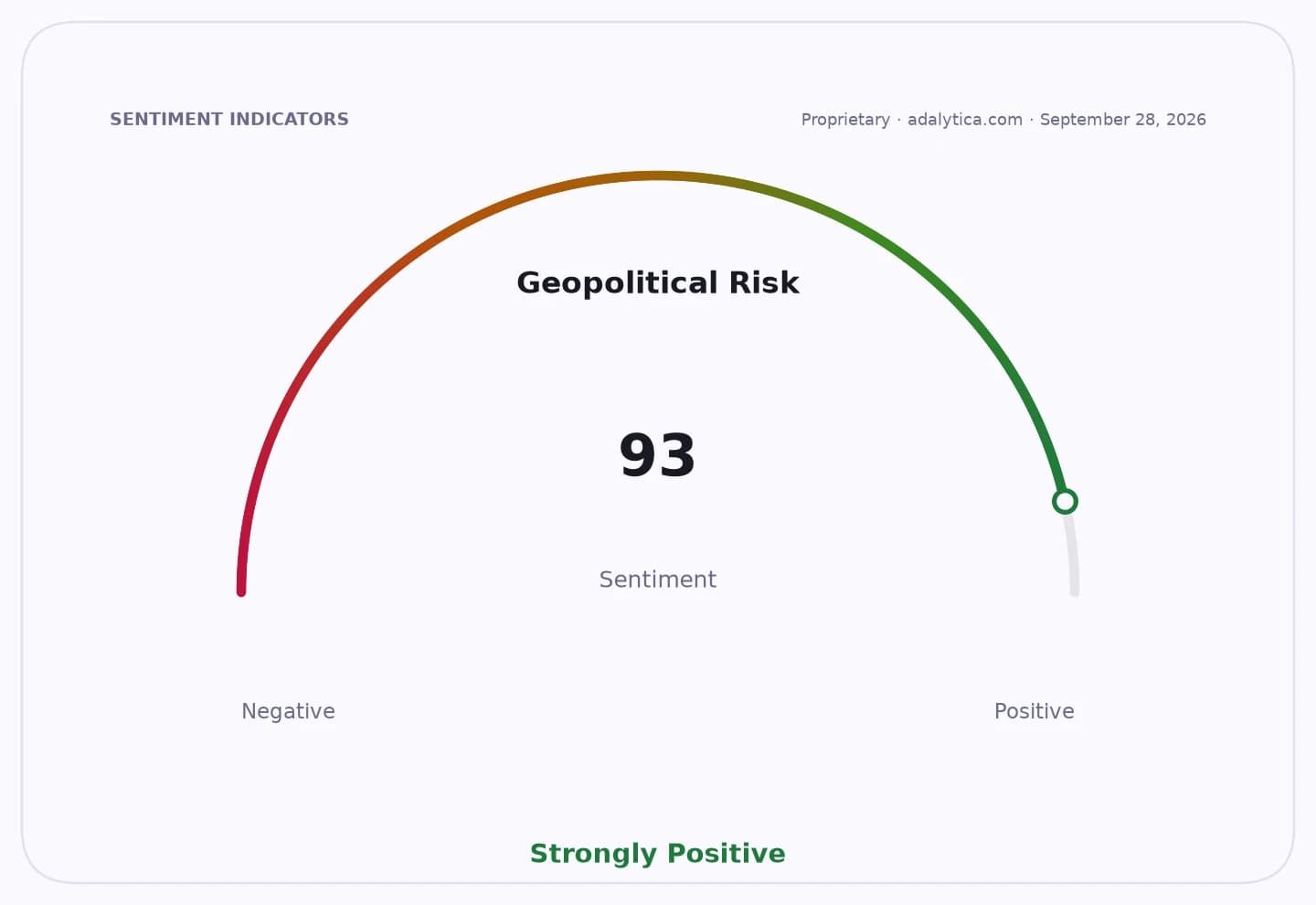
Sentiment IndicatorsⓘProprietary · adalytica.com · September 29, 2026
This is a snapshot — live sentiment, awareness and momentum for 130+ markets update continuously in the dashboard.Open AlphaPulse
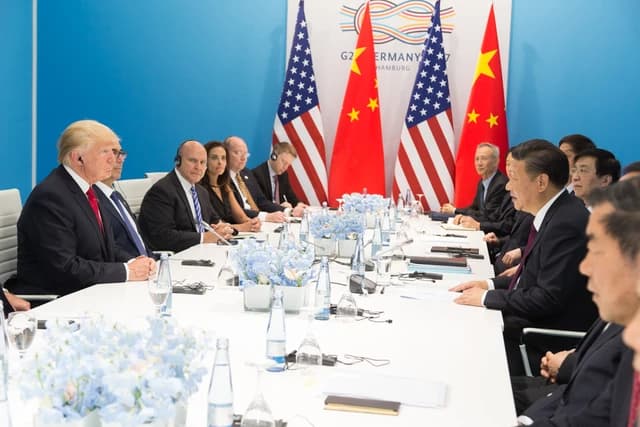
Treasury Secretary Scott Bessent said the sides had agreed to push back the expiry from Nov. 10, giving negotiators more room to work through disputes that now extend well beyond tariffs. Rare-earth exports, semiconductor controls, Taiwan, Iran and the future of AI cooperation all remain live issues. The White House has also made clear it is seeking more than symbolism, from sector-specific tariff relief to progress on fentanyl enforcement, military-to-military communication and the release of detained Americans.
For investors, the agreement is most relevant as a pressure-release valve rather than a breakthrough. Chinese equities and mainland-proxy funds such as the FXI ETF have struggled to sustain momentum, while the yuan and broader Asian supply-chain names remain sensitive to any sign that Washington and Beijing are moving back toward confrontation. A truce extension supports a short-term improvement in risk appetite and could help cyclicals, semiconductors and industrials, but it does not erase the structural headwinds from export controls and technology decoupling.
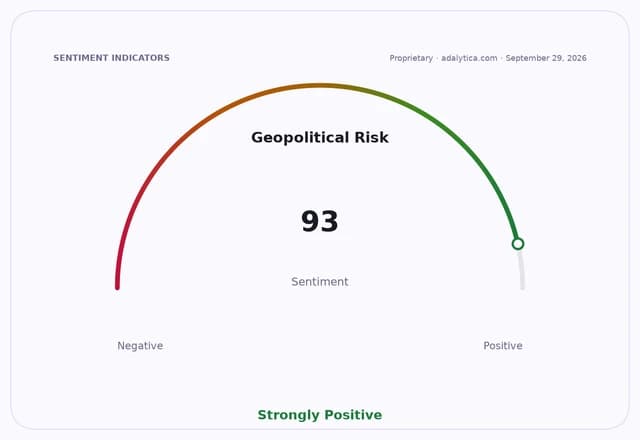
The market backdrop suggests investors were already leaning toward de-escalation. Adalytica’s global stability gauge shows extreme greed alongside extreme fear in awareness, a mix that points to confidence in a détente but lingering uncertainty over execution. The dollar has also weakened in recent sessions, while China-linked risk proxies remain technically fragile, with FXI below both its 50-day and 200-day moving averages and its RSI still subdued. That implies any relief rally may be tactical unless the two sides deliver more concrete concessions.
Trump’s decision to personally greet Xi at Joint Base Andrews underscored the political significance of the visit, even as both governments kept expectations low. The choreography reflected a familiar pattern: public displays of stability paired with limited substantive commitments. Analysts said the leaders may not feel pressure to compromise, but both have reasons to avoid a fresh confrontation. Trump faces domestic scrutiny over inflation, energy costs and foreign policy, while Xi arrives with a stronger trade engine but softer household demand and continued property-market weakness at home.
The immediate question for markets is whether the truce extension becomes a bridge to narrower deals or just a pause before the next deadline. Any progress on tariffs, fentanyl or military contacts would support global growth expectations and ease pressure on industrial supply chains. Failure to produce more than a temporary reprieve would leave investors exposed to renewed volatility into the January deadline and to another round of policy risk around technology, Taiwan and export restrictions.
| Entity | Gains | Losses |
|---|---|---|
| US and China | ▲More time to negotiate | ▼Less leverage from deadline pressure |
| Global markets | ▲Lower tariff shock risk | ▼Fewer chances of a clean breakthrough |
| Exporters and shippers | ▲Short-term trade stability | ▼Ongoing policy uncertainty |
| Tech and China proxies | ▲Relief rally potential | ▼Structural decoupling risk |