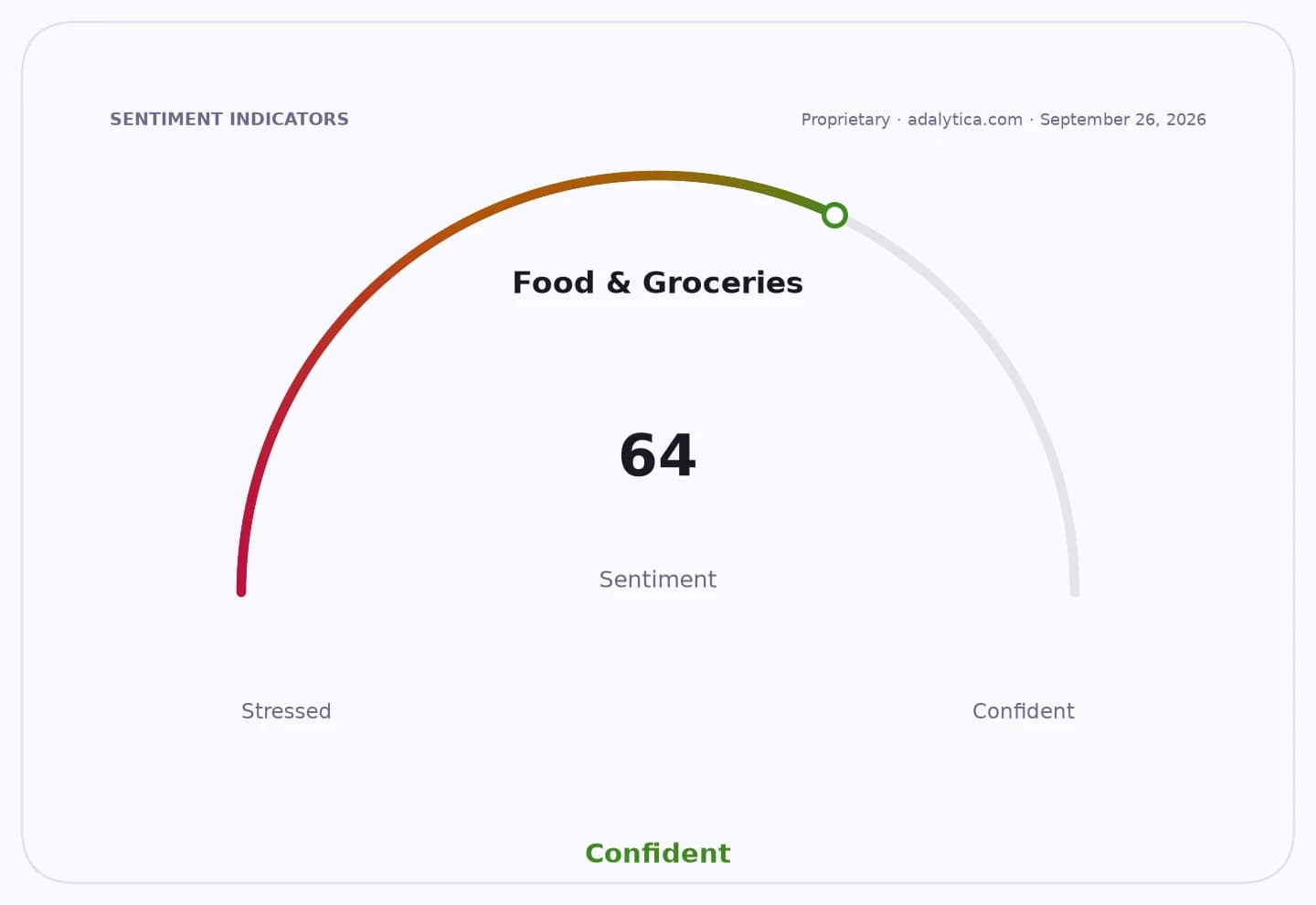
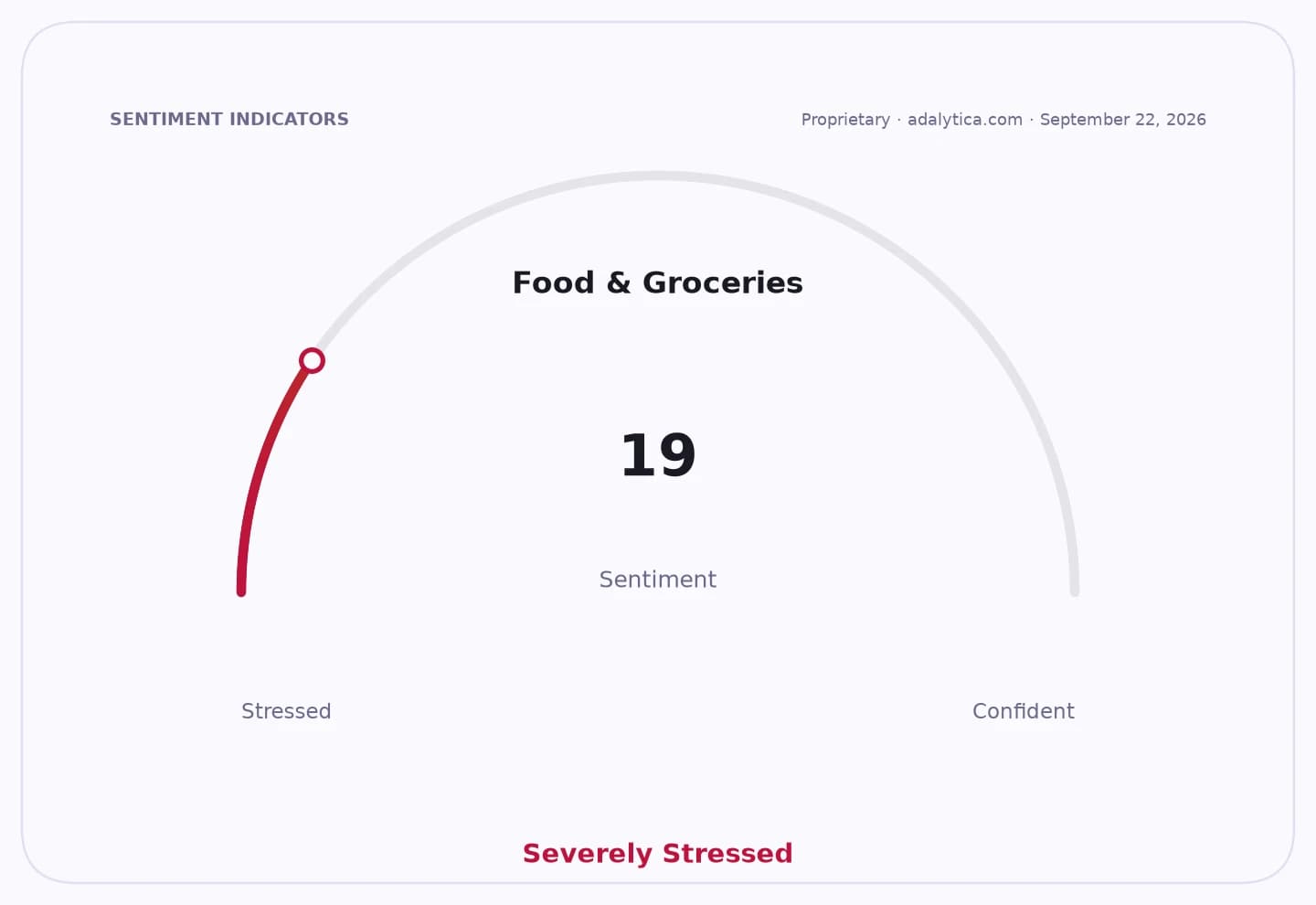
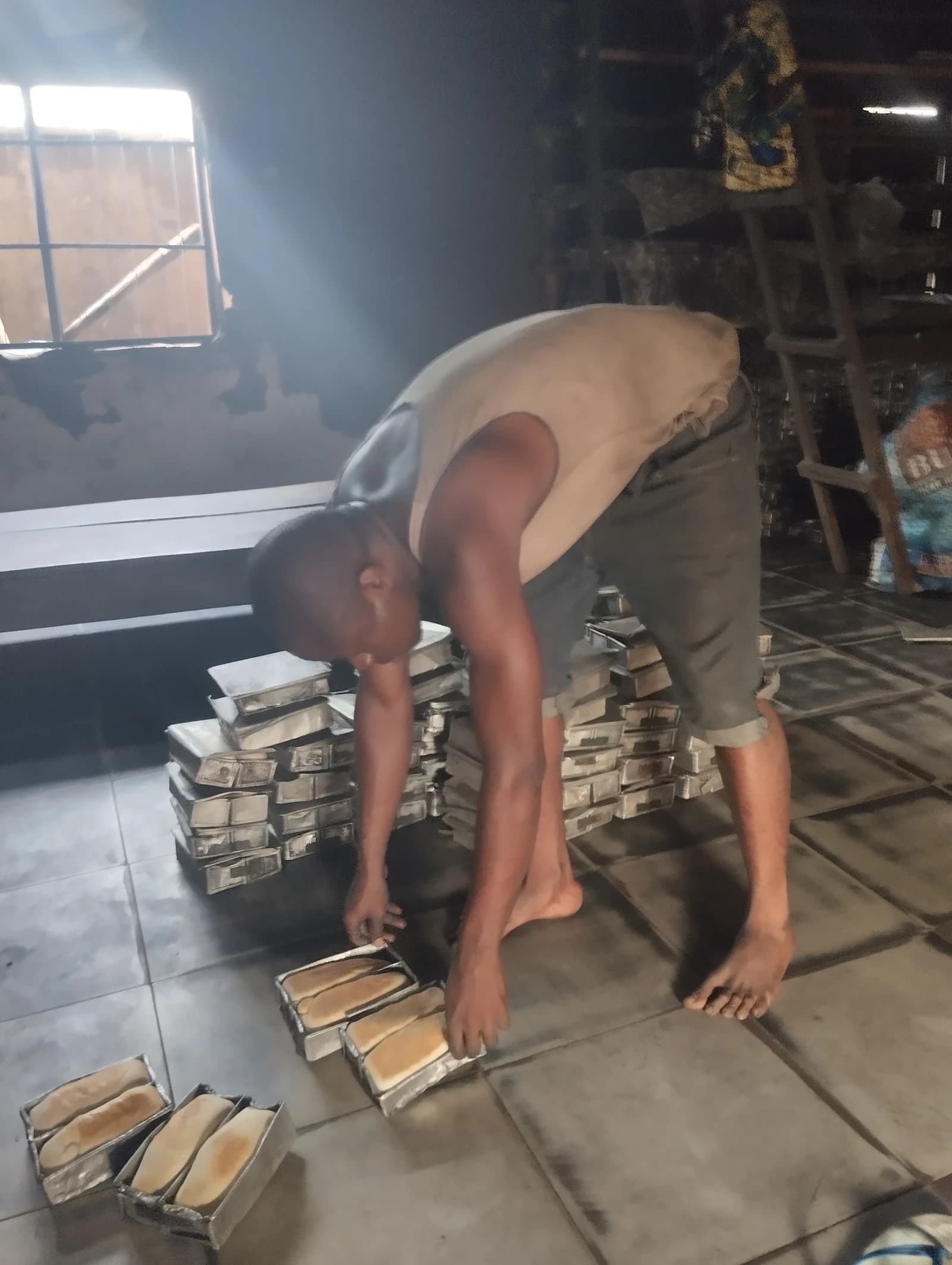
Turkey’s state grain buyer is set to unleash 5.5 million tons of bread and durum wheat into the domestic market this month, a move that should ease supply tightness and help cap food inflation at a time when investors are already focused on stubbornly high grocery costs.
Turkey TMO to sell 5.5 million tons of wheat
The Toprak Mahsulleri Ofisi, or TMO, said sales will begin on Oct. 5 and will draw from strong stockpiles built from earlier years and this year’s purchases. Just as important, it said it will not raise the prices it set at harvest, signaling an effort to keep wheat and flour costs stable rather than let shortages or speculation push them higher.
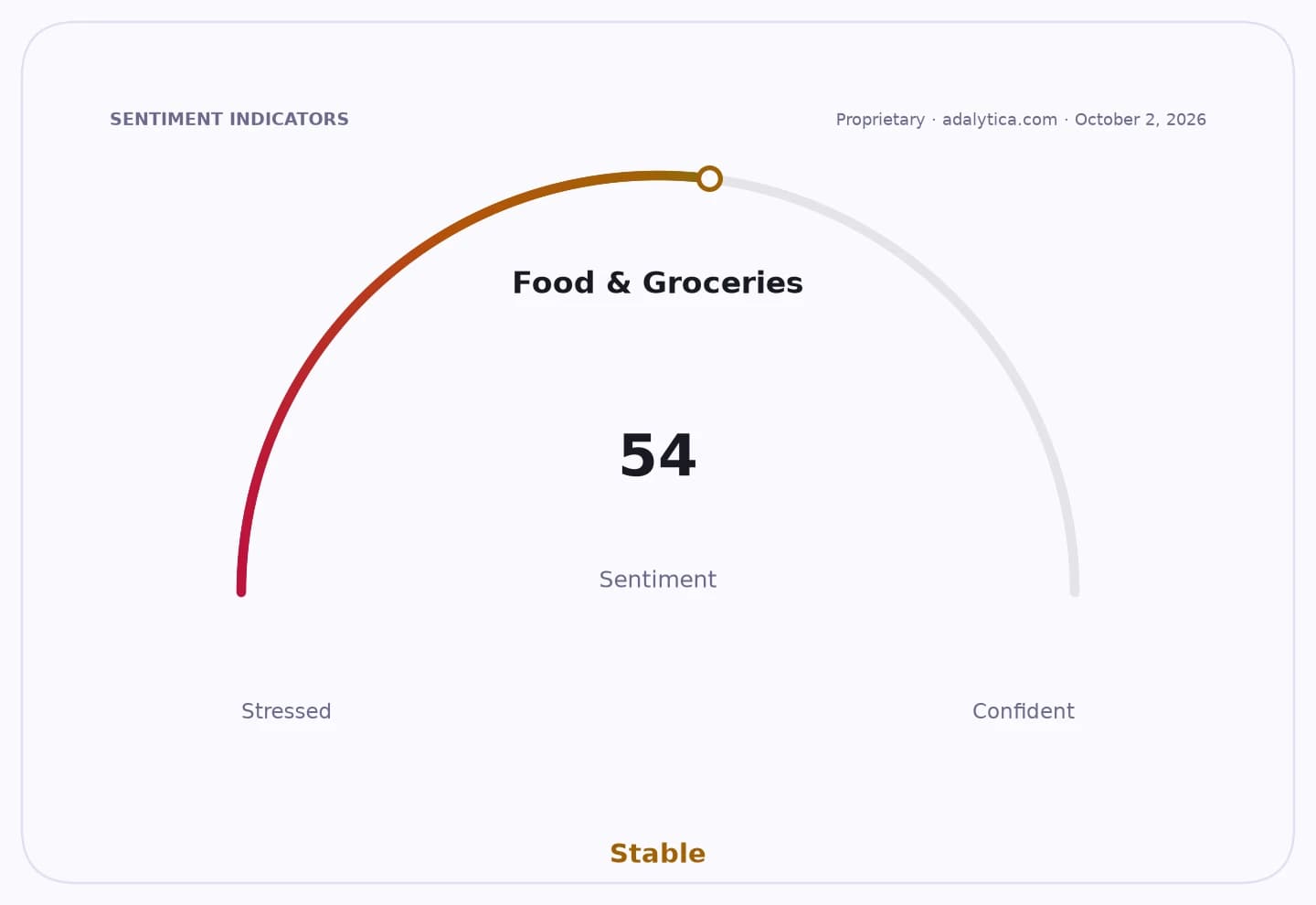
Sentiment IndicatorsⓘProprietary · adalytica.com · October 2, 2026
This is a snapshot — live sentiment, awareness and momentum for 130+ markets update continuously in the dashboard.Open AlphaPulse
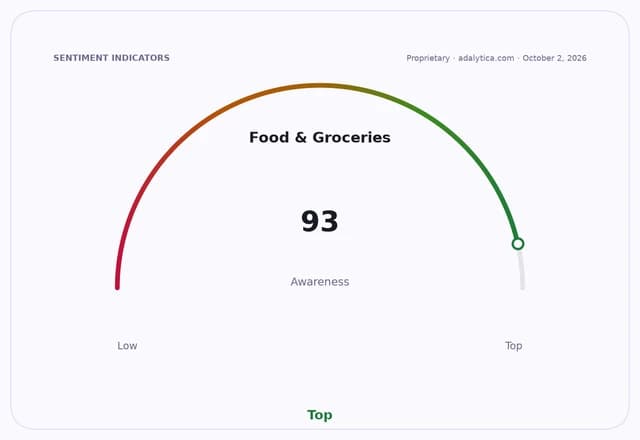
For Turkey’s economy, the decision matters because wheat sits at the center of bread prices, flour milling margins and a wide slice of household spending. When a government agency with large inventories steps in as an active seller, it can blunt volatility in a market that feeds directly into consumer inflation. In a country where food costs are politically sensitive, that kind of supply management can matter as much as an interest-rate move.
The timing also tells a broader story. TMO said it re-evaluated grain sales through the TÜRİB exchange after closely watching market conditions and industry needs. That suggests officials are trying to balance plentiful stocks with the need to keep downstream buyers supplied at predictable prices. Licensed warehouse stocks will remain available through TÜRİB, while TMO depot inventories will be opened to users on a free-sale basis.
For investors, the immediate read-through is not just about Turkish wheat prices. A larger state release can soften local inflation expectations, improve visibility for flour and food companies, and reduce the odds of a sharp squeeze in processing margins. It can also influence regional grain sentiment at a time when global wheat markets are already being shaped by government intervention, export shifts and uneven crop conditions across major producers.
That helps explain why wheat-linked funds and grain-sensitive equities are worth watching. Shares of the Teucrium Wheat Fund, which tracks wheat prices, have pulled back from recent highs as technical indicators such as the 50-day moving average and RSI readings show weaker short-term momentum. Even so, the bigger investment lesson is unchanged: government-managed supply can move prices in the near term, but the long-term winners are usually the companies and portfolios that can absorb volatility rather than trade around it.
Turkey’s move also fits into a wider global pattern in which policymakers are trying to keep food markets orderly while producers elsewhere face mixed conditions. EU wheat has been strengthening on a brighter export outlook, while other countries wrestle with quality problems or weak farm incomes. In that environment, TMO’s decision looks less like a one-off and more like part of a broader effort to steady a market that still matters enormously to consumers and investors alike.
For long-term investors, the takeaway is simple: this is a reminder that food inflation is not just an abstract macro topic. It is a real earnings and margin driver. Turkey’s wheat release should help calm local prices in the near term, but it also underscores why diversified exposure to consumer staples, agricultural infrastructure and broad commodity markets can be more resilient than trying to guess the next headline. Worth watching, but not a reason to chase the trade.
| Entity | Gains | Losses |
|---|---|---|
| Turkish consumers | ▲More stable bread prices | ▼Less room for scarcity-driven price spikes |
| Flour mills and food processors | ▲Easier input planning | ▼Potentially weaker pricing power |
| TMO / Turkish state | ▲Better supply control | ▼Larger stock drawdown |
| Wheat sellers / speculative bulls | ▲Liquidity from sales | ▼Downside price pressure |