The U.S. push to buy cheaper potash from Belarus while pressuring India over Russian energy is widening doubts about Washington’s trade and sanctions strategy, with the move threatening fertilizer flows in one of the world’s biggest import markets and raising costs for farmers.
Potash Trade Shift Raises India Fertilizer Cost Risk
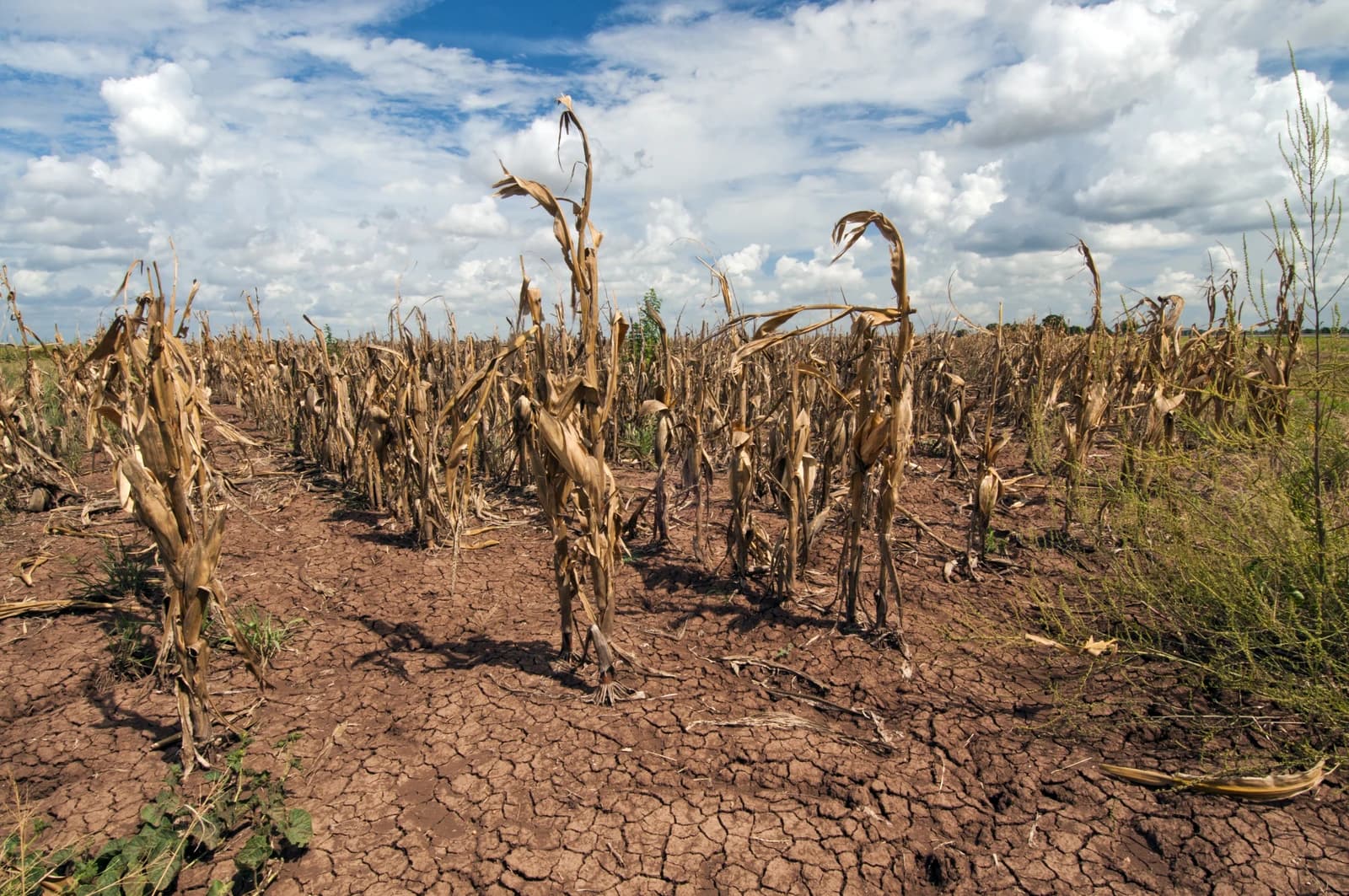
The immediate economic issue is not just whether American farmers get cheaper input costs. Potash is one of the three core nutrients for crop growth, and the market is highly concentrated, with Canada, Russia and Belarus dominating global supply. Any effort to reroute trade away from Canada and toward Belarus can ripple through global fertilizer pricing, logistics and access.
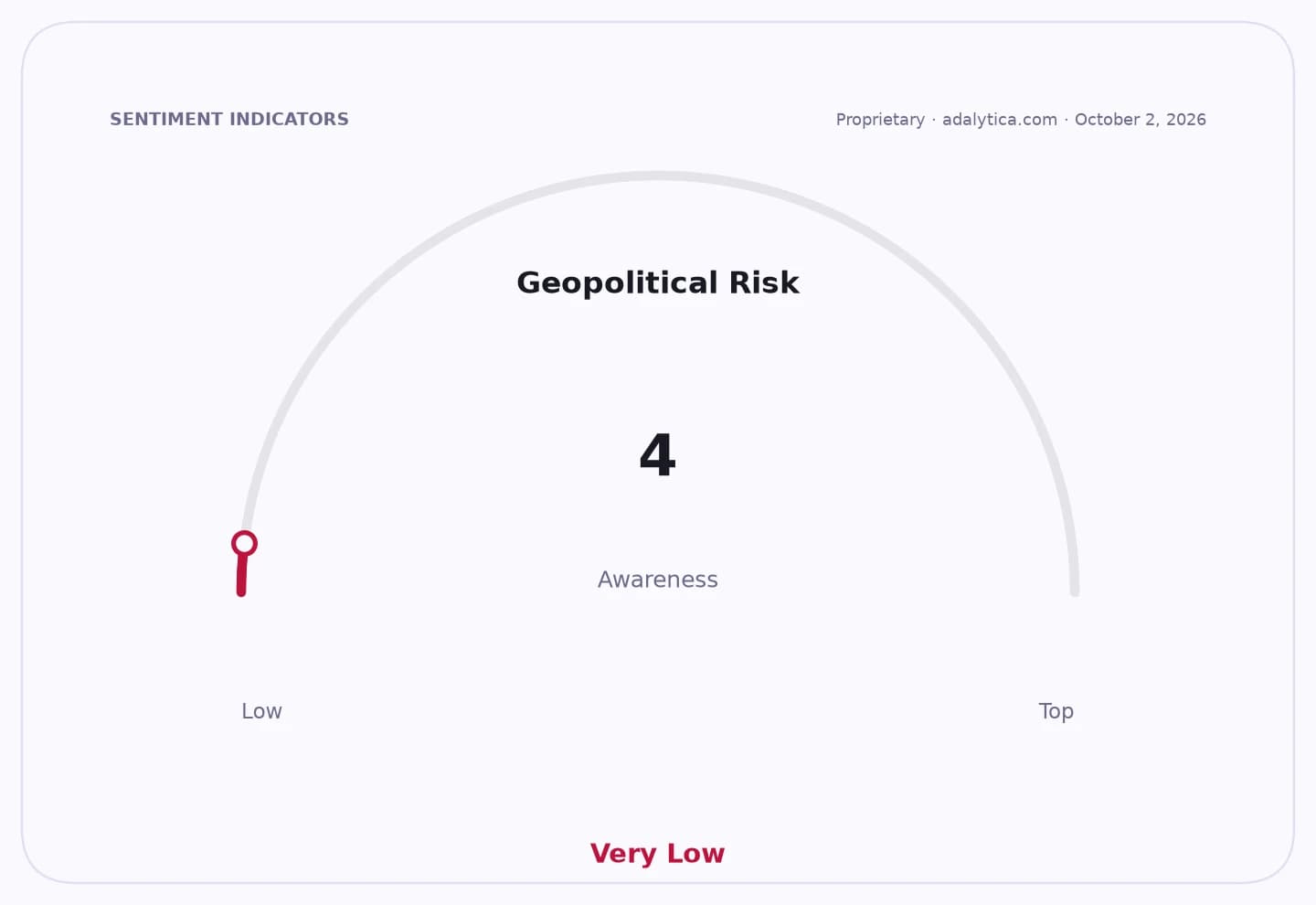
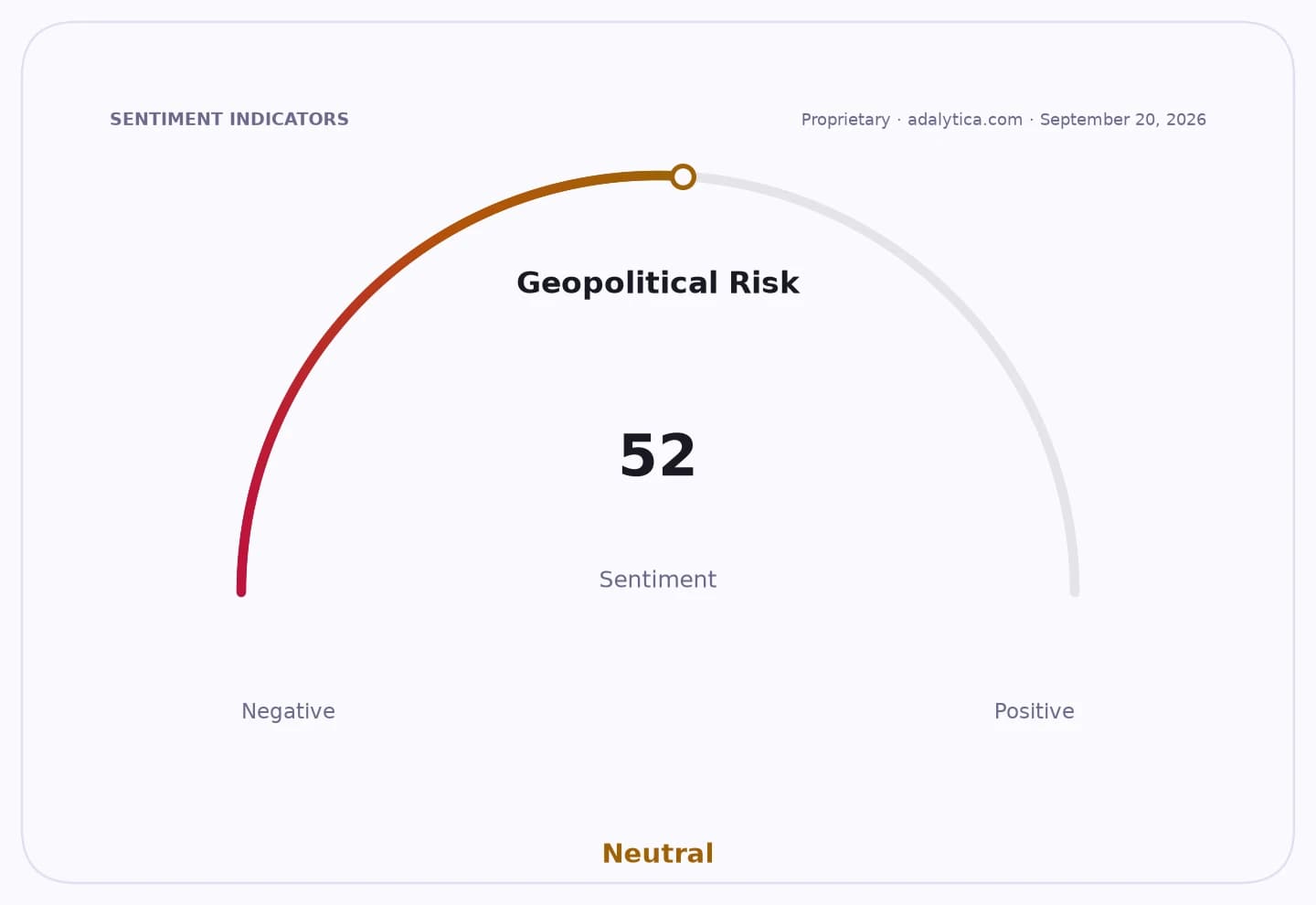
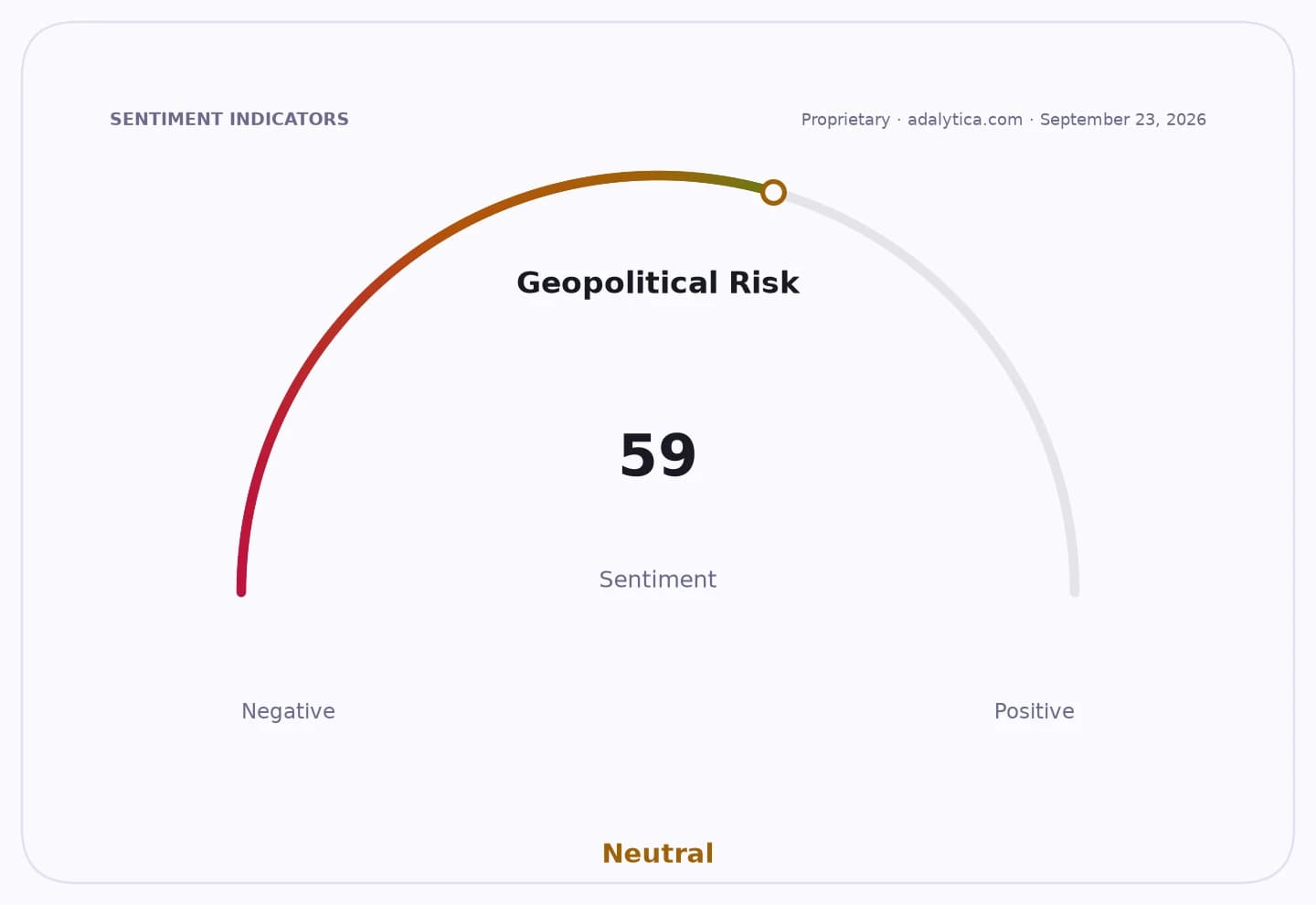
Sentiment IndicatorsⓘProprietary · adalytica.com · September 27, 2026
This is a snapshot — live sentiment, awareness and momentum for 130+ markets update continuously in the dashboard.Open AlphaPulse
That matters especially for India, which uses about 4 million to 5 million tons of potash a year and relies on imports from Canada, Russia, Israel, Jordan and Belarus. If Washington’s stance reshapes supply chains or tightens the available pool, Indian farmers could end up paying more even if U.S. buyers secure better terms.
The political contradiction is what has drawn the sharpest criticism. Trump has been leaning on India over Russian fuel purchases while floating a potash deal with Belarus, a close ally of Moscow and a country whose exports are constrained by European sanctions and transit dependence on Russian infrastructure. That, critics say, makes the U.S. look willing to accommodate one sanctioned bloc when it suits domestic agriculture, while punishing others for far less.
Former U.S. official and Asia analyst Evan Feigenbaum said the double standard and hypocrisy risk undermining Washington’s credibility as a negotiating partner. Belarusian President Alexander Lukashenko has also poured cold water on the idea of a large new U.S. supply deal, saying his country does not have enough excess potash to service Western markets at that scale.
For investors, the story is a reminder that fertilizer markets remain hostage to geopolitics, not just crop demand. Potash producers in Canada and Belarus, agricultural importers such as India, and farm-equipment and grain-linked companies exposed to fertilizer costs could all feel secondary effects if trade flows shift again.
The broader market backdrop is already supportive for volatility in agriculture inputs. SOYB, the soybean ETF, has climbed to 27.72, well above its 50-day moving average of 26.51 and 200-day average of 24.51, while GRO has rebounded to 2.36 after a deep summer trough, still below its 200-day average of 2.56. Those levels suggest traders are watching fertilizer and crop-input pricing closely as geopolitical risk stays elevated.
The next catalyst is whether Washington formalizes any Belarus arrangement or escalates sanctions pressure on India and other buyers. If it does, the likely result is more friction in global fertilizer trade, tighter supply visibility and higher input-cost risk for farmers from North America to South Asia.
| Entity | Gains | Losses |
|---|---|---|
| U.S. farmers | ▲Cheaper potash inputs | ▼Policy credibility risk |
| Indian farmers | ▲No immediate gain | ▼Higher fertilizer costs |
| Belarus | ▲Potential export demand | ▼Sanctions/transit constraints |
| Canada | ▲Protects market share if deal stalls | ▼Shares supply with rivals |