The United States’ retreat from a tougher stance on Belarusian potash has removed an immediate threat to North American fertilizer pricing, but it has not ended the bigger investor question: how quickly geopolitics can reshape a crop input market that farmers, miners and shareholders all depend on.
Nutrien, Mosaic fall as Belarus potash risk eases
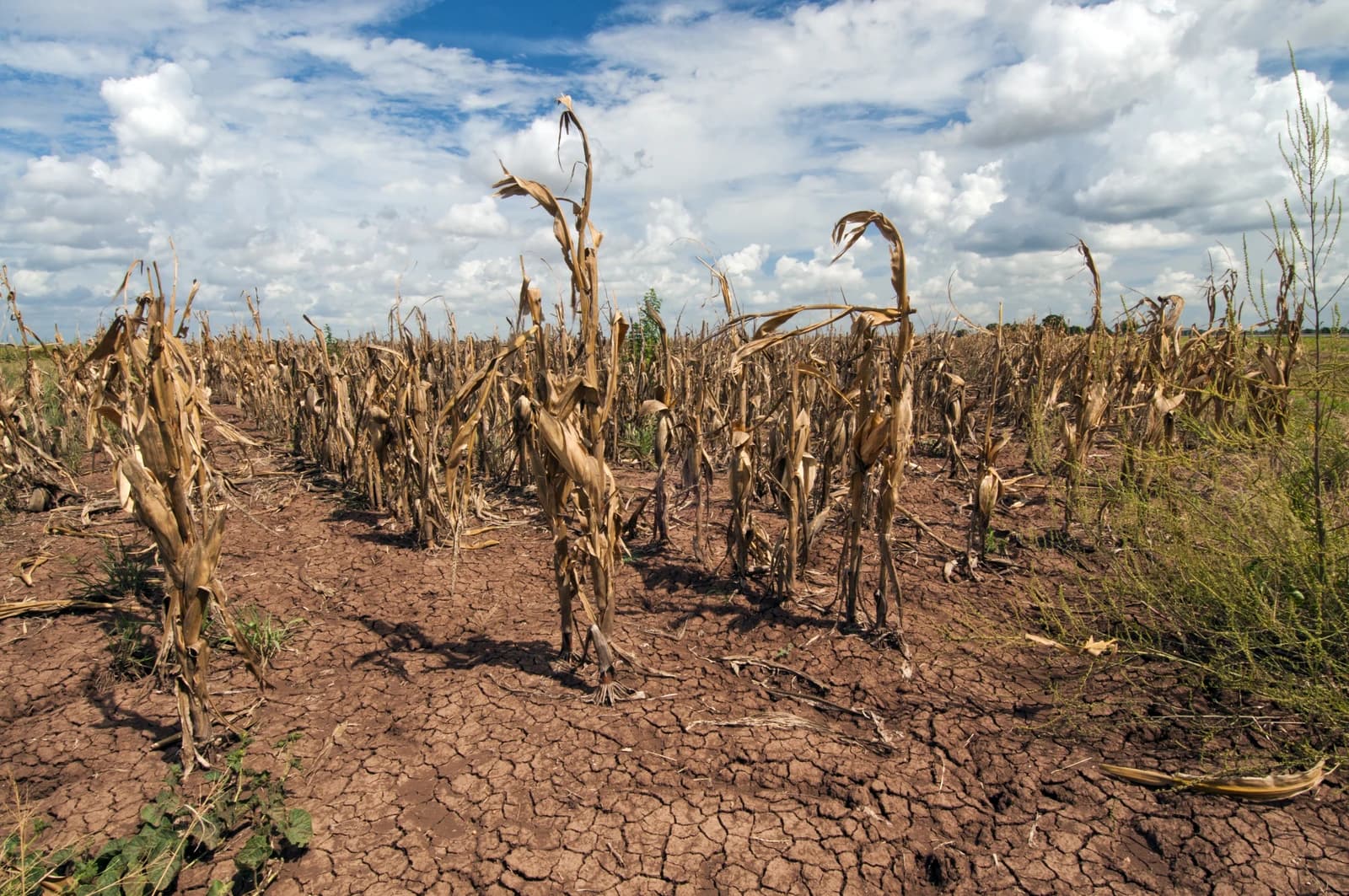
For long-term investors, the key issue is not the latest headline about Belarus. It is the way trade policy, transport costs and supply security now sit at the center of the global fertilizer business. Potash is not a flashy commodity, but it is essential to crop yields, and any disruption can ripple through farm economics, food inflation and the earnings power of producers in Canada and the U.S.
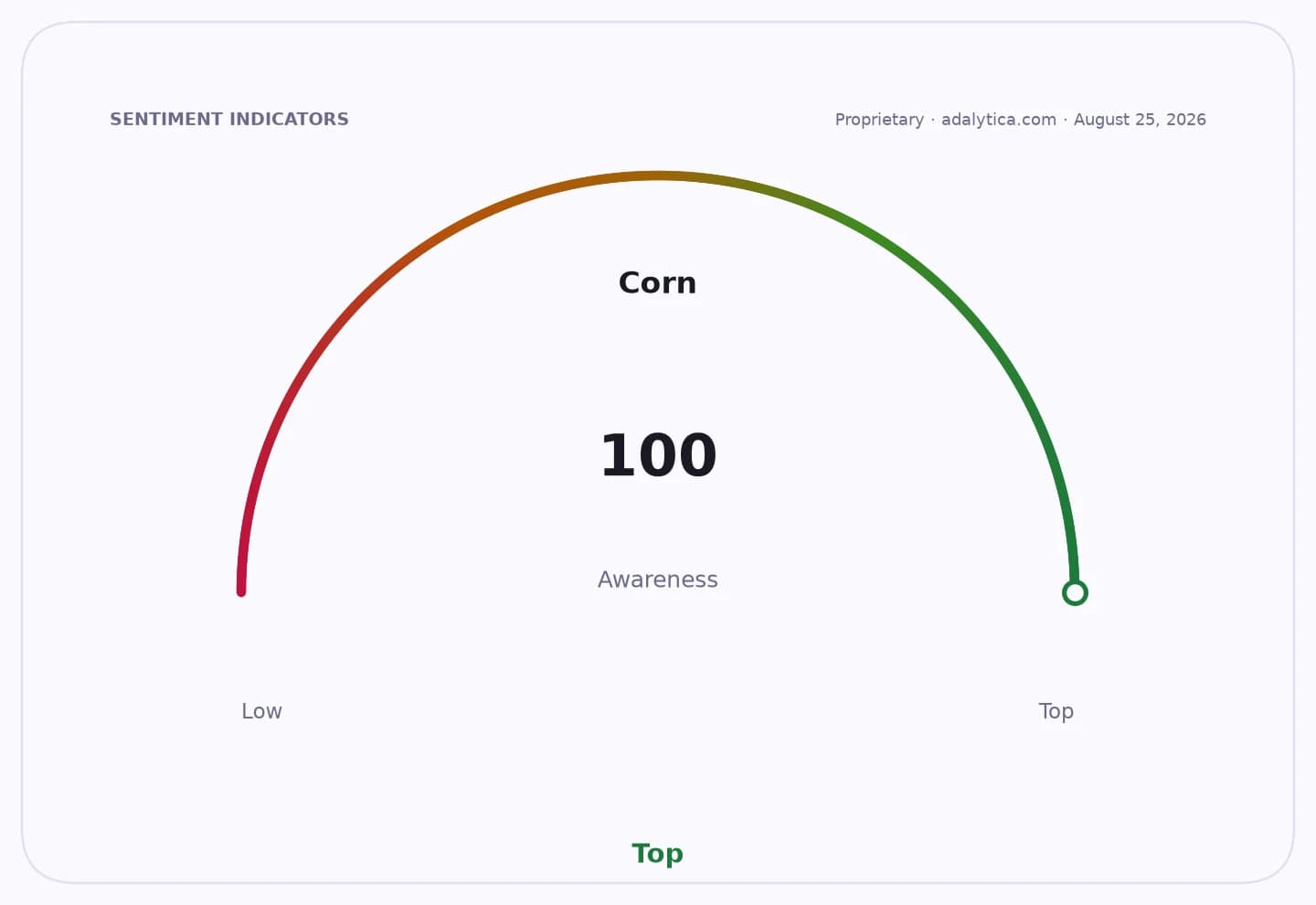
Sentiment IndicatorsⓘProprietary · adalytica.com · September 25, 2026
This is a snapshot — live sentiment, awareness and momentum for 130+ markets update continuously in the dashboard.Open AlphaPulse
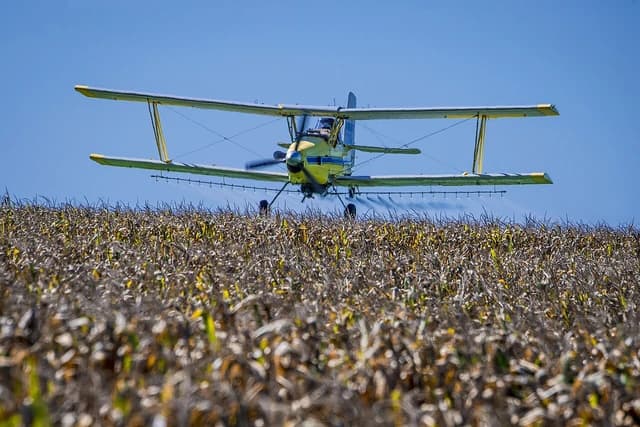
That is why Saskatchewan watched Washington so closely. Belarus is a major supplier in the global potash market, and any U.S. deal that looked designed to undercut Canadian producers would have been more than a bilateral trade maneuver. It would have been a direct challenge to one of Canada’s most important export industries, with implications for jobs, royalties and regional economic activity. In that sense, the policy reversal is a relief for Canadian producers and for companies tied to the potash trade.
The market reaction fits that narrative. Nutrien, the world’s biggest potash producer, has seen its shares pull back to $71.49 after a sharp run that pushed the stock as high as $79.47 earlier this month. The 50-day moving average is still above the 200-day average, a sign the longer-term trend remains intact, but the recent slide in the relative strength index to 28.1 shows the stock has moved into technically oversold territory. That usually reflects near-term caution rather than a broken long-term thesis.
Mosaic has also weakened, falling to $22.78 from $24.79 a week earlier, while CF Industries has dropped to $116.17 from $138.11 on Sept. 9. CF’s retreat has taken it back below its 50-day moving average, suggesting some of the geopolitically driven optimism has already been unwound. In other words, investors had been bidding up fertilizer names on scarcity and pricing power, and now they are reassessing how durable that advantage really is.
The broader backdrop helps explain why these stocks have been volatile. Oil prices remain elevated, with U.S. crude around $94 a barrel in the latest forecast, and fertilizer markets often feel that through freight, energy and production costs. Higher transport costs matter because they can be bigger than the purchase price in lower-margin commodity chains, especially when the product is bulky and the buyer is a farmer already watching input budgets closely. If shipping becomes the real bottleneck, then whoever controls logistics can wield more power than whoever controls the ore body.
That is what makes this potash story larger than one policy reversal. It is a reminder that agricultural markets can be weaponized without a single shot being fired. Export policy, sanctions, shipping routes and diplomatic bargaining can all change who gets paid, who gets squeezed and who gets to plant at a profit. For investors, that means fertilizer remains a sector where dividends, balance sheets and operating leverage matter — but so do trade headlines and geopolitical risk.
The long-term takeaway is straightforward: the reversal reduces one immediate overhang for Canadian potash producers, but it does not eliminate the structural risks around supply, transportation and government intervention. Investors looking at Nutrien, Mosaic or CF should think in years, not weeks. This remains a business where durable demand is attractive, but where policy can change the map quickly, making patience and diversification essential.
| Entity | Gains | Losses |
|---|---|---|
| Nutrien | ▲Less U.S. pricing pressure | ▼Less near-term volatility premium |
| Canadian potash producers | ▲Market access stability | ▼Threat of sharper competition recedes |
| U.S. farmers | ▲Lower input-risk fears | ▼Smaller chance of cheaper imported potash |
| Belarusian exporters | ▲Reopened export path | ▼Reduced leverage from sanctions pressure |