The biggest story for investors is not just that Chinese subsidized products are facing more resistance in the United States — it’s that Washington is increasingly treating industrial capacity as a national security asset, and that is reshaping who gets paid in metals, mining and manufacturing.
Nucor, Freeport Gain From U.S. Tariff Policy
For long-term investors, that matters because the market is no longer just pricing cyclical demand. It is pricing policy protection. In a world where cheap imported steel, copper products and other industrial goods can be pushed into U.S. markets with government support behind them, domestic producers either get crushed on price or they regain the power to earn real margins. That is the difference between an economy that still makes things and one that slowly gives up its industrial base.
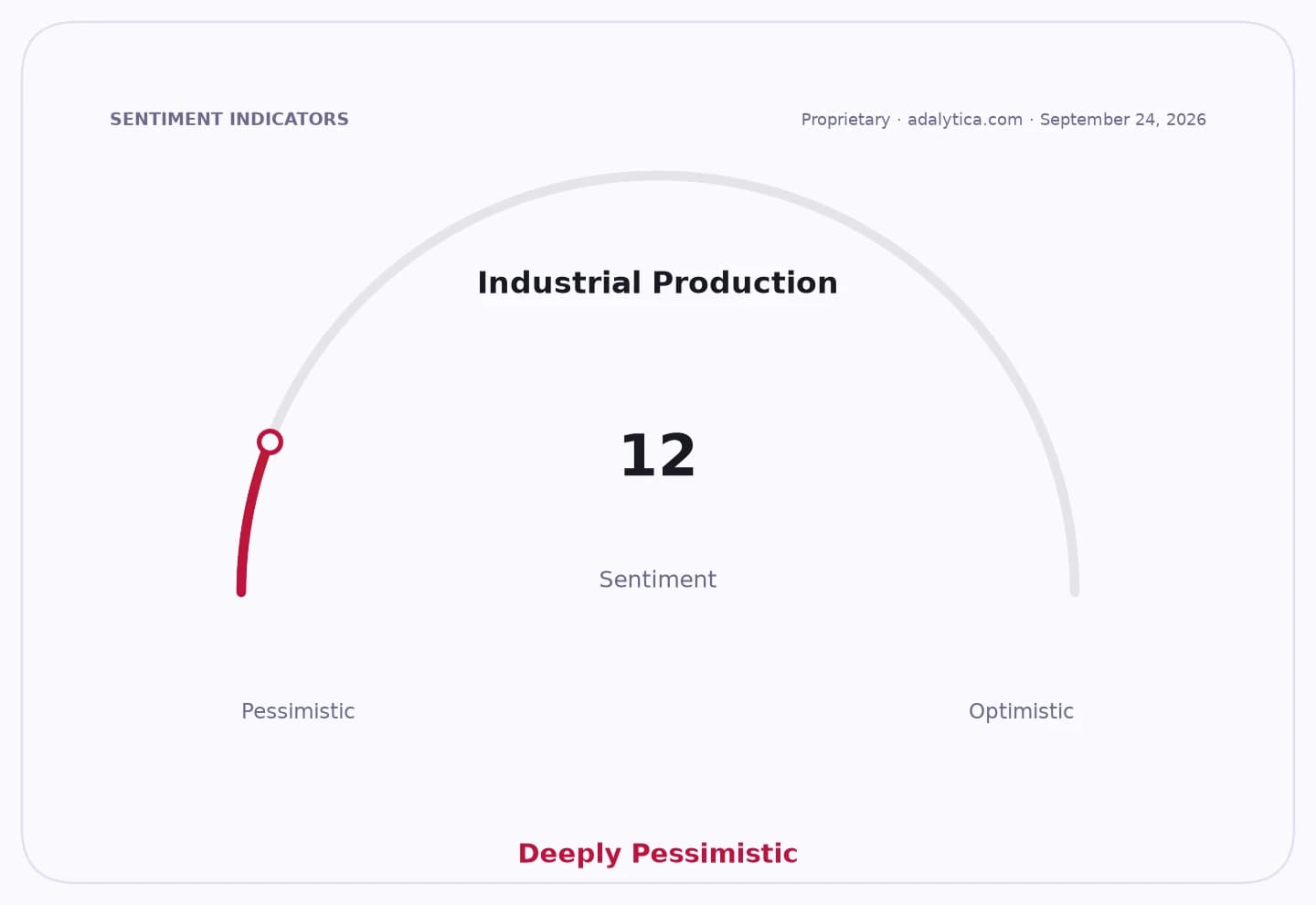
Sentiment IndicatorsⓘProprietary · adalytica.com · September 20, 2026
This is a snapshot — live sentiment, awareness and momentum for 130+ markets update continuously in the dashboard.Open AlphaPulse
That’s why companies like Nucor and Freeport-McMoRan deserve attention. Nucor’s stock has surged to about $248.38, after trading below $140 in October 2025 and as high as $272.68 in mid-September. Freeport-McMoRan has climbed to $71.54 from $40.45 in the same period. Those are not random moves. They reflect a market that understands tariffs, tighter trade enforcement and supply-chain nationalism can support domestic producers for years, not quarters.
The policy backdrop is clear. Freeport’s latest filing noted that a 50% Section 232 tariff took effect in August 2025 on semi-finished copper products and copper-intensive derivative products, even as refined copper remained exempt. Nucor’s filing pointed to stronger steel mills earnings, helped by higher average selling prices, higher volumes and better metal margins. In plain English, the U.S. is making it harder for foreign suppliers — especially those with state backing — to win by undercutting domestic producers on price.
That matters economically because metals sit at the foundation of the industrial economy. If the U.S. allows subsidized imports to hollow out steel, copper and related manufacturing, the damage spreads far beyond the mills. It weakens construction, infrastructure, defense supply chains, power grids and advanced manufacturing. It also leaves the country more dependent on imports at the exact moment trade tensions, shipping risks and geopolitical competition are intensifying.
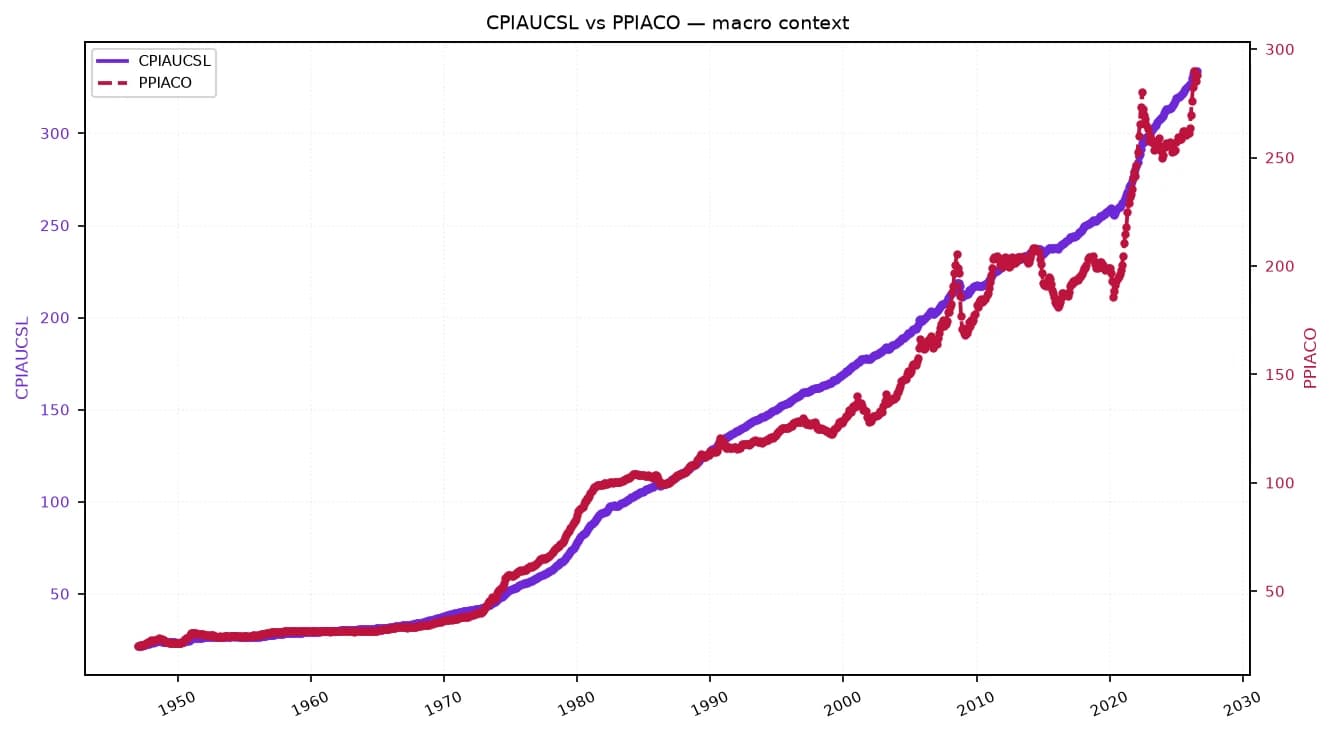
The broader data still show an economy that is holding up: industrial production continues to edge higher, unemployment remains near 4.1% to 4.2%, and payrolls are still expanding. But that relative stability is exactly why policymakers can afford to be more assertive about trade protection. When the labor market is not in crisis, the political case for defending domestic industry gets stronger, not weaker.
For investors, the key question is who benefits from a more protected industrial base and who pays for it. Domestic metals producers gain pricing power, better utilization and improved free cash flow if imports are restrained. Their customers, however, may face higher input costs. That can squeeze margins in construction, autos, machinery and consumer goods. Importers and foreign exporters lose the most, especially if trade barriers keep rising or if other countries retaliate.
Technical indicators also show this is not just a policy thesis but a market that has already rewarded the winners. Nucor’s price remains above both its 50-day and 200-day moving averages, even after a recent pullback from overbought levels. Freeport has also stayed well above its 200-day moving average, a sign that investors are still willing to pay up for exposure to a tighter supply story. That doesn’t make the shares cheap, but it does show the market believes the protection trade has staying power.
The long-term lesson is simple: countries that let subsidized foreign producers gut their industrial base eventually discover that services alone do not build bridges, wire grids or support defense manufacturing. Investors should think in years, not weeks. The winners in this environment are the firms with real assets, scarce capacity and policy support. The losers are the companies and economies that mistake cheap imports for permanent prosperity.
For patient investors, that makes domestic industrials, select miners and infrastructure-linked manufacturers worth watching closely — not as trades, but as long-term holdings in a world that is revaluing industrial strength.
| Entity | Gains | Losses |
|---|---|---|
| Nucor | ▲Higher steel margins | ▼Cheap import competition |
| Freeport-McMoRan | ▲Tariff support on copper products | ▼Foreign undercutting |
| U.S. industrial base | ▲More domestic capacity | ▼Dependence on China |
| Importers/exporters | ▲Lower barriers to trade | ▼Higher costs, weaker access |