China’s copper spot market stayed quiet in early trading, but the bigger story is that the SHFE/LME price ratio has slipped into inversion even as domestic premiums remain elevated, a setup that is tightening physical supply and reshaping the trade for traders, smelters and miners.
Copper China Spot Premiums Stay Elevated
That matters because an inverted ratio usually erodes the economics of bringing metal into China, and in this case it is colliding with already-lean domestic inventories. Suppliers are reluctant to sell at lower prices, bids are scarce and offers are limited, yet premiums for registered ER copper warrants still hovered at $120 to $130 a metric ton, while late-September bonded cargoes were quoted around $120 a ton and October EQ copper at $60 to $70 a ton.
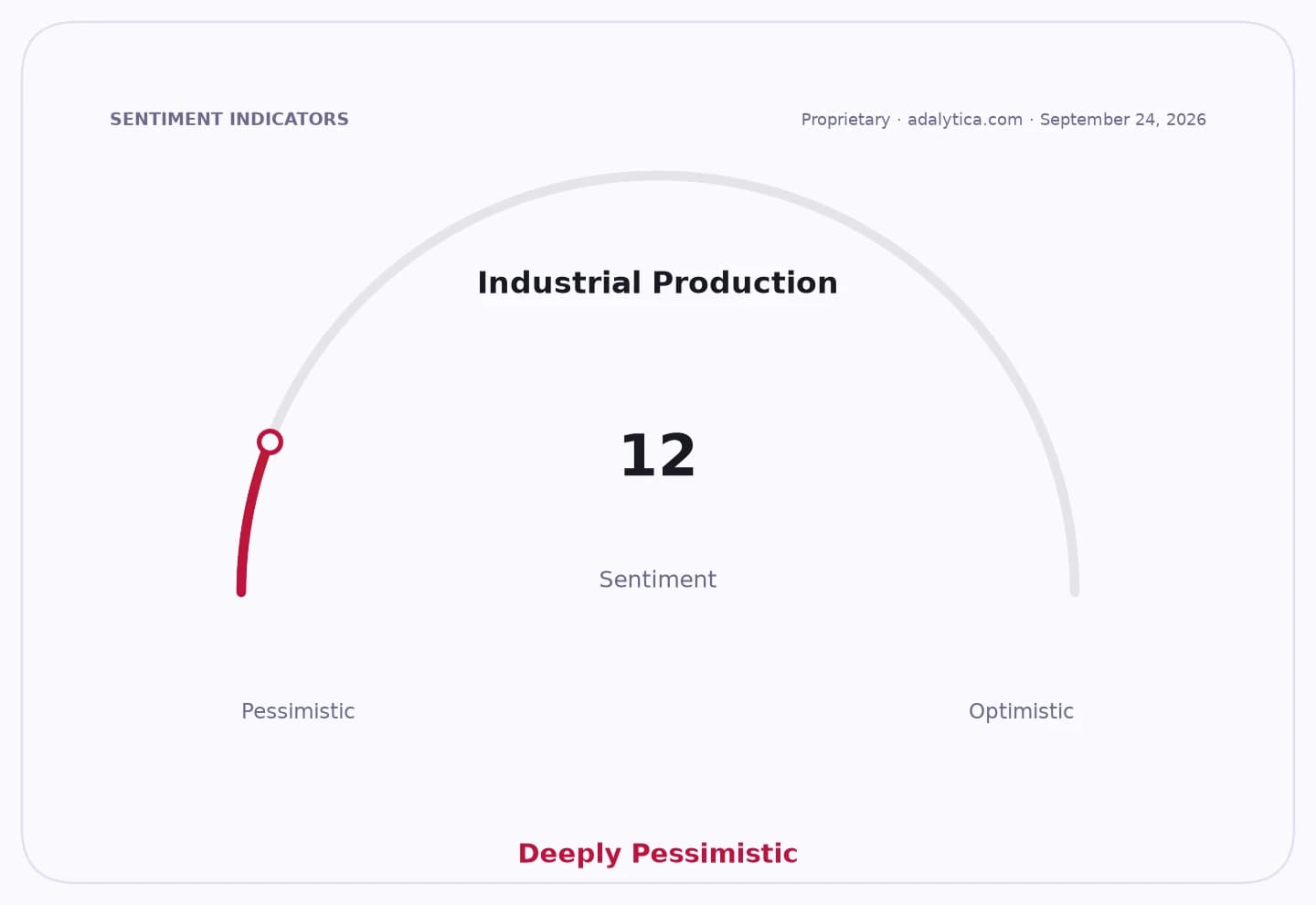
Sentiment IndicatorsⓘProprietary · adalytica.com · September 24, 2026
This is a snapshot — live sentiment, awareness and momentum for 130+ markets update continuously in the dashboard.Open AlphaPulse
The message for the market is clear: physical copper inside China is not being priced by weak demand alone, but by a supply balance that remains tight enough to keep prompt material expensive. The average warrant price eased to $119 a ton from the prior session, while B/L cargoes fell to $113 a ton and EQ copper CIF B/L dropped to $55 a ton, but those softer quotations did little to change the broader tone. Traders are effectively confronting a market where arbitrage is less attractive, inventory is still drawing down and sellers have little incentive to chase the bid.
For investors, that makes the copper complex more interesting than the quiet tape suggests. Tight Chinese physical premiums can support earnings for producers with low-cost output and strong exposure to copper, while squeezing merchants and fabricators that rely on imported concentrate and prompt cathode. It also reinforces the bull case for copper as a strategic metal tied to electrification, power grids and industrial upgrading, especially if China’s industrial cycle stabilizes or stimulus lifts downstream buying later this quarter.
Shares of major copper producers such as Freeport-McMoRan, Southern Copper and Teck Resources remain leveraged to any sustained firmness in physical pricing, while exchange-traded vehicles tied to copper may benefit if the premium structure persists. The near-term risk is that demand stays soft and keeps the market orderly rather than explosive, but the setup still favors patient bulls: when spot supply is tight and the arbitrage window closes, the next move tends to be driven by replenishment demand rather than panic selling.
The takeaway is to watch the SHFE/LME inversion, not the quiet morning tape. If China’s domestic inventories keep falling and premiums stay firm, copper exposure remains one of the cleaner ways to position for a supply-constrained industrial rebound.
| Entity | Gains | Losses |
|---|---|---|
| Copper miners | ▲Higher realized prices | ▼Less if China demand stays soft |
| Chinese buyers/fabricators | ▲Potentially none | ▼Higher prompt copper costs |
| Traders/importers | ▲Wider physical premiums | ▼Closed arbitrage window |
| Copper bulls | ▲Tighter supply narrative | ▼Quiet, range-bound trading |