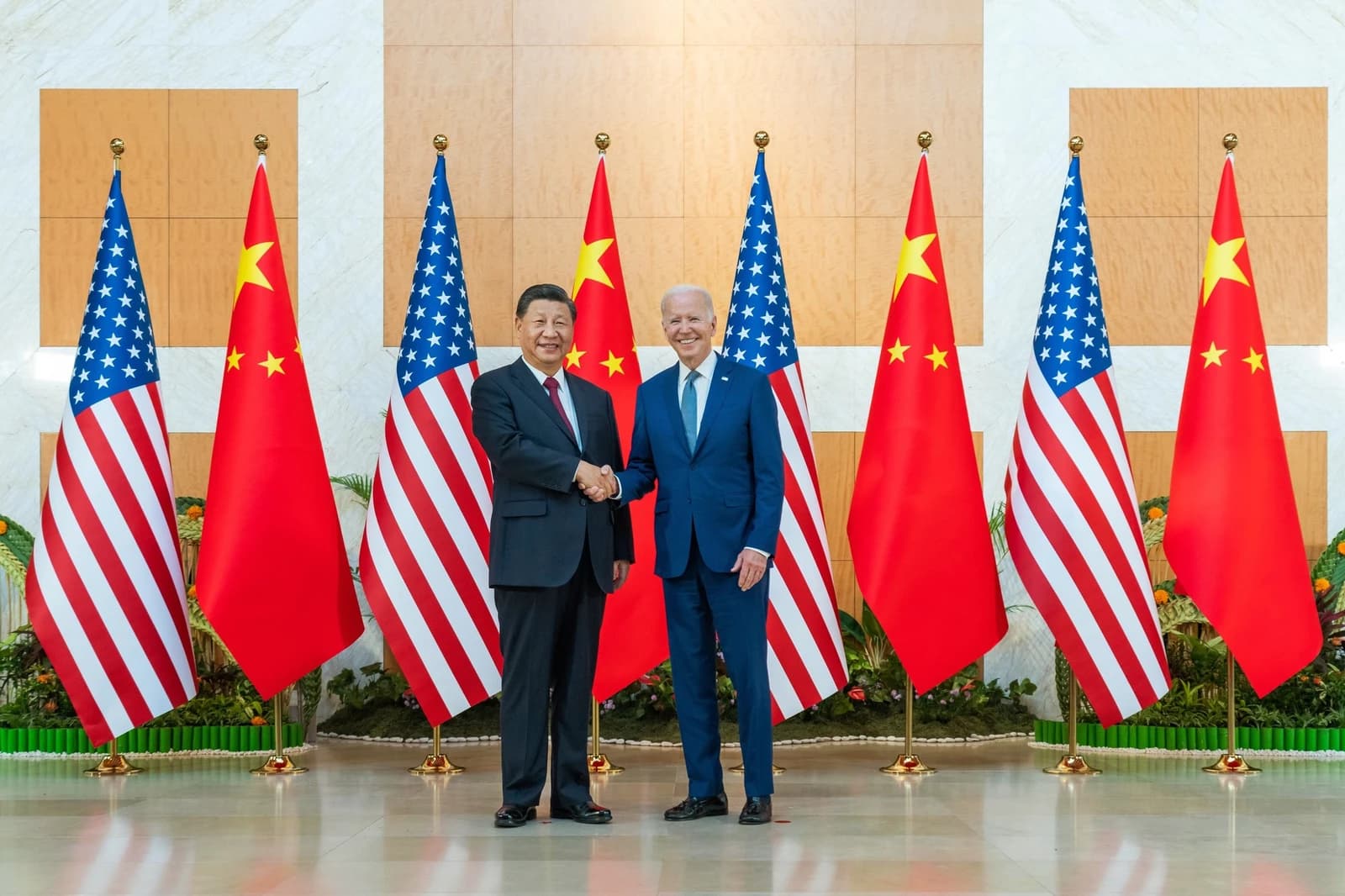
BHP’s new chief has made a direct plea to China to preserve the iron ore relationship that has powered one of mining’s most profitable trade flows, underscoring how much the company’s earnings still depend on Beijing’s appetite for steel-making raw material.
BHP Appeals to China to Protect Iron Ore Trade
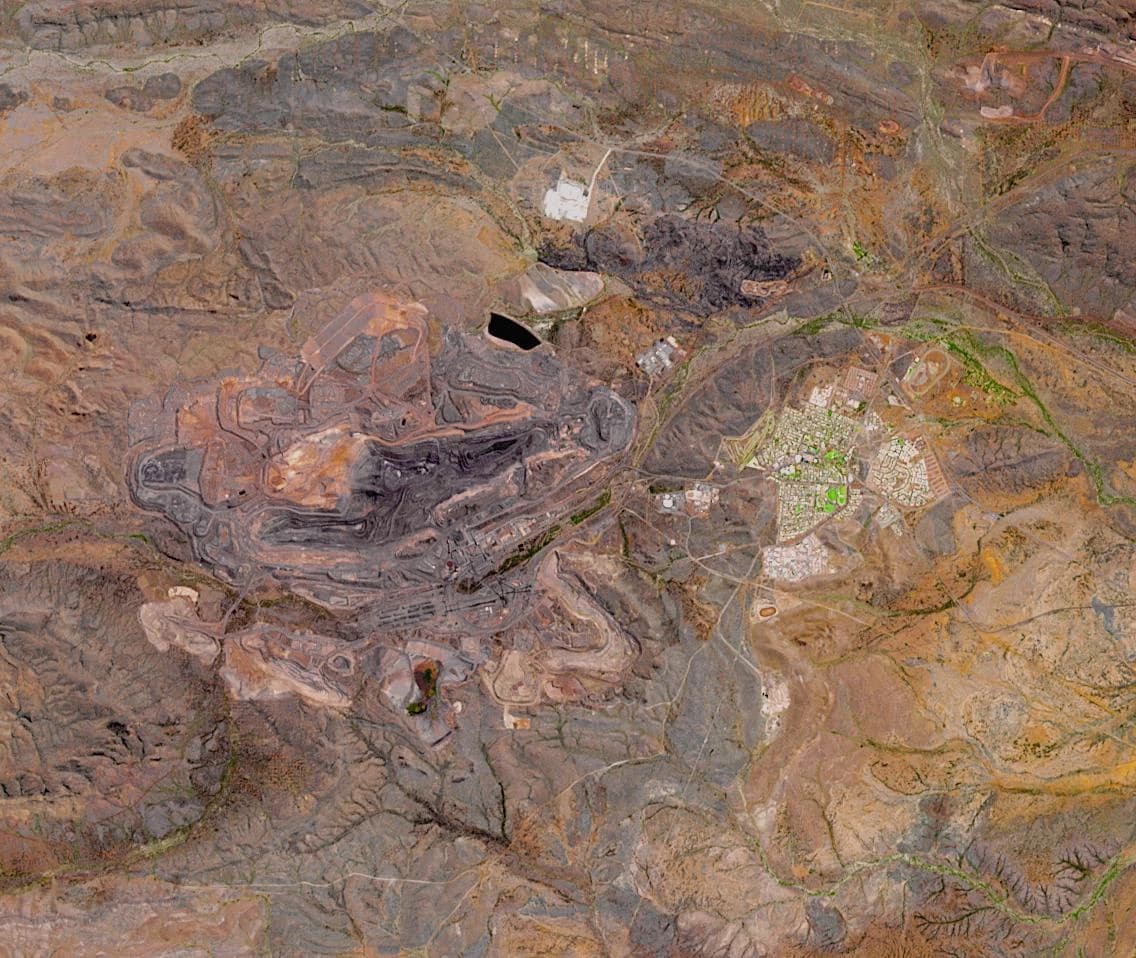
That matters because iron ore remains the backbone of BHP’s cash generation and a critical input for China’s construction and manufacturing complex. When the world’s biggest miner asks its biggest customer to “protect” the trade, it is a reminder that the commodity is not just another bulk shipment — it is a lever on Australian export income, Chinese industrial activity and the profitability of the global mining complex.
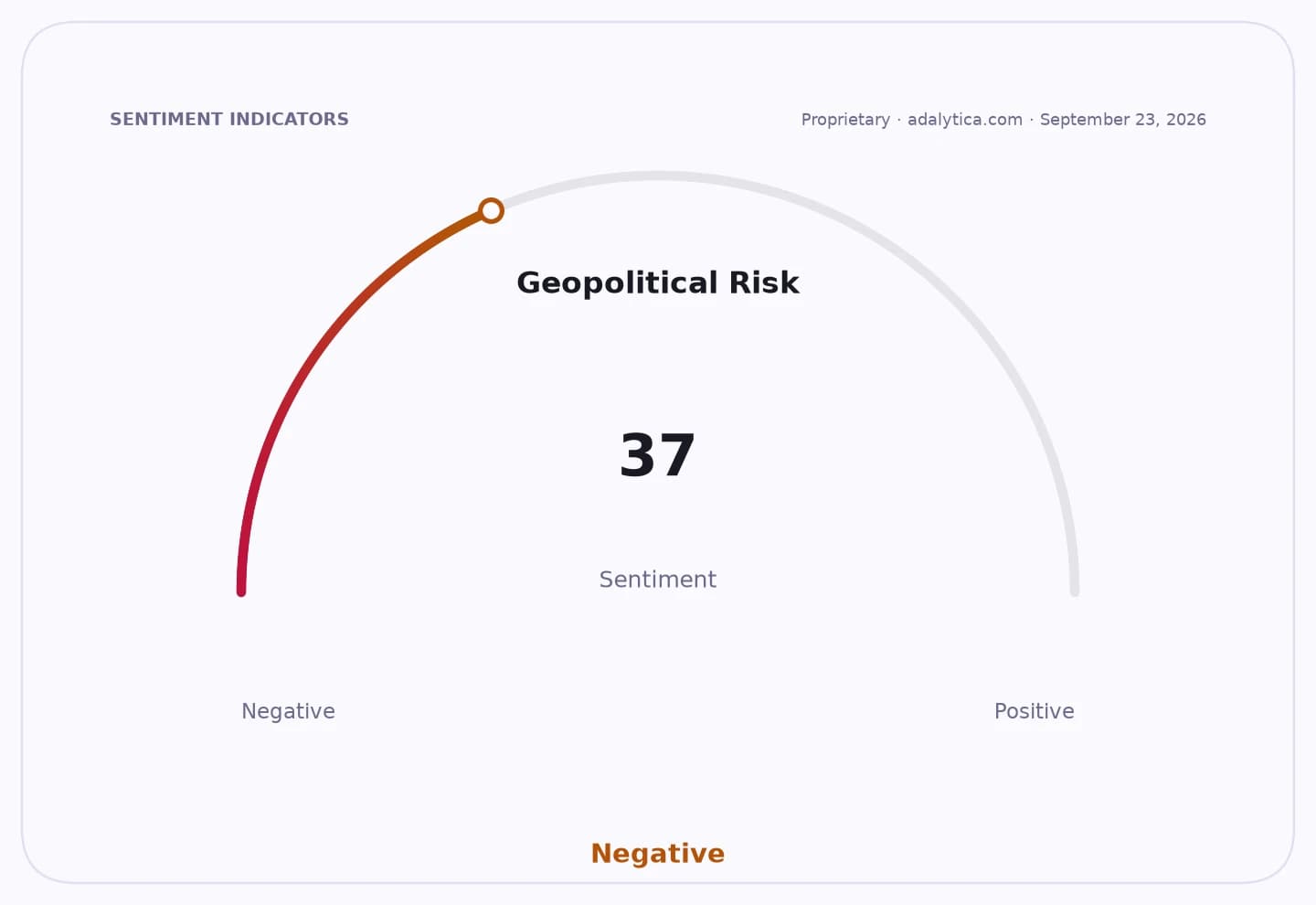
Sentiment IndicatorsⓘProprietary · adalytica.com · September 24, 2026
This is a snapshot — live sentiment, awareness and momentum for 130+ markets update continuously in the dashboard.Open AlphaPulse
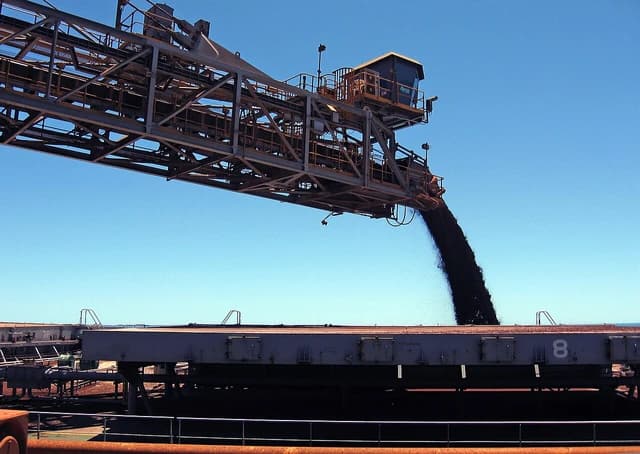
BHP boss Brandon Craig, who took over as chief executive in July, appealed to China’s steel industry leaders and political figures to safeguard what he called a relationship built on “shared success.” The timing is important. Iron ore has been a flashpoint in periodic pricing and supply standoffs, with miners looking to defend margins and Chinese buyers trying to limit costs in a slowing property-led economy.
For investors, the message is straightforward: BHP is still a China trade in all but name. Its shares have retreated to about $84.95, below the 50-day moving average of roughly $86.87, after touching $96.58 in late August. Rio Tinto has also slipped back toward its own 50-day average, while Vale has fallen more sharply, reflecting the market’s sensitivity to any sign that demand, pricing or negotiation power could turn against producers.
Those price moves fit a broader pattern. Conventional technical indicators such as the relative strength index show BHP and Rio have cooled from overbought territory, while Vale has weakened further. That does not tell the whole story, but it does show investors are no longer paying peak enthusiasm for iron ore exposure without a clear catalyst.
The macro backdrop is mixed. Adalytica’s China growth-target sentiment gauge is currently neutral, but the awareness reading sits in “extreme fear,” suggesting investors remain wary about the durability of Chinese demand. At the same time, the U.S. dollar has been flashing extreme greed in Adalytica’s trade signals, a headwind for commodities priced in dollars because a stronger greenback can tighten financial conditions and weigh on raw material demand.
For long-term investors, the key question is not whether BHP can survive a standoff with China — it can — but how much of its valuation rests on a relationship it does not control. BHP’s cost advantages and scale still make it one of the world’s best-positioned miners, yet iron ore remains cyclical, China remains dominant, and both sides know it. If Beijing and the miners can keep the trade steady, BHP’s cash machine stays intact. If not, the market will keep punishing the stock every time the rhetoric hardens. Worth watching, but long-term holders should focus on discipline, diversification and BHP’s broader portfolio beyond iron ore.
| Entity | Gains | Losses |
|---|---|---|
| BHP | ▲stable China demand | ▼trade standoff risk |
| China steelmakers | ▲secure ore supply | ▼less pricing leverage |
| Australian exporters | ▲export revenue stability | ▼weaker bargaining power |
| Iron ore rivals | ▲industry-wide discipline | ▼demand uncertainty |