Steel prices are climbing again, and that matters because the cost of everything from nails to rebar is feeding into a broader inflation problem that is squeezing households, contractors and manufacturers alike.
Steel prices rise as inflation pressures build
The seed line — “80 taka nails now 120 taka” — captures a simple but economically powerful shift: fasteners and other basic building materials are getting more expensive at the same time fuel and food costs are rising. In a tight-cost environment, that kind of increase does not stay confined to hardware shops. It raises the cost of housing, small-scale construction, repairs and industrial input chains, and it can filter quickly into headline inflation and expectations.
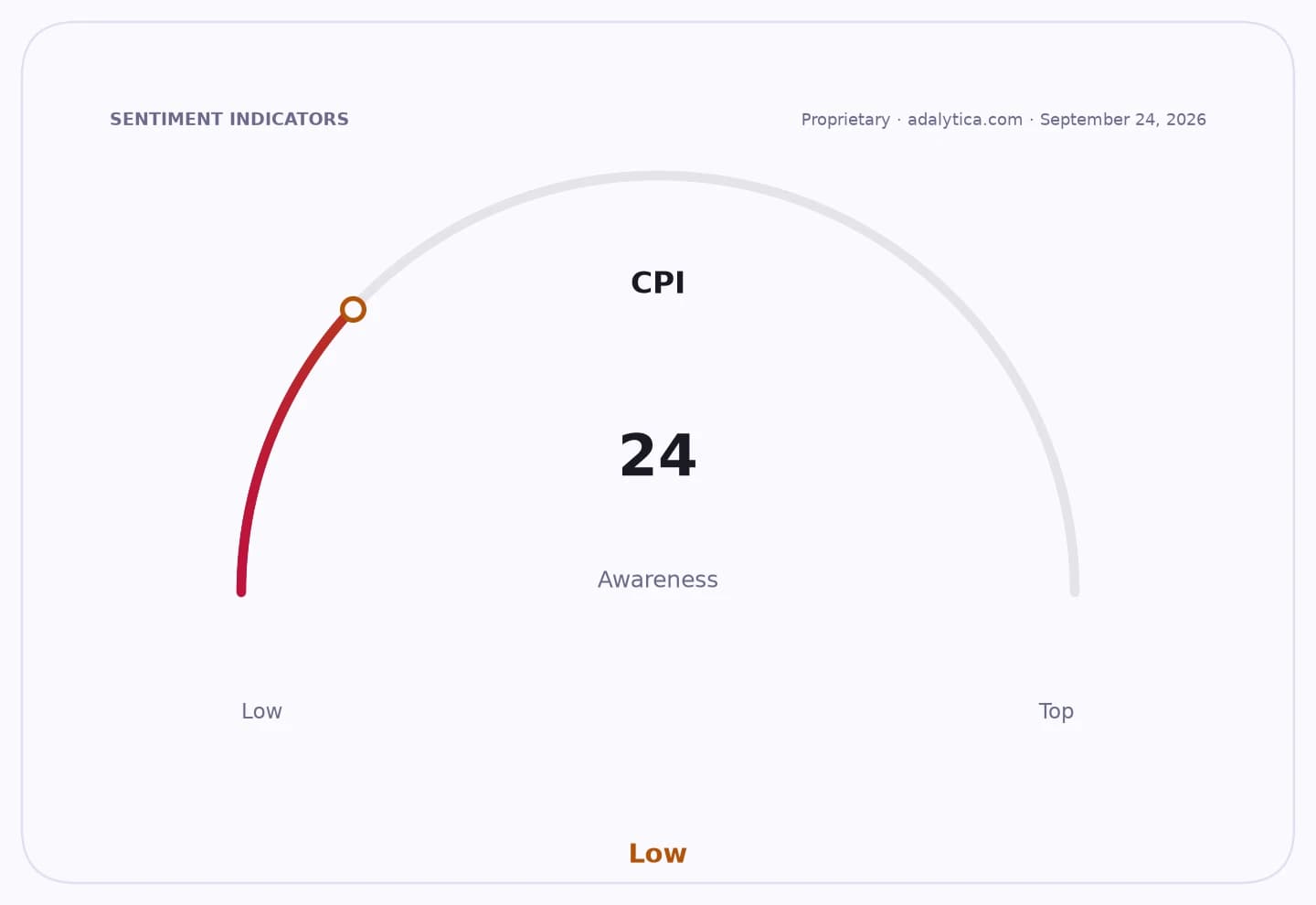
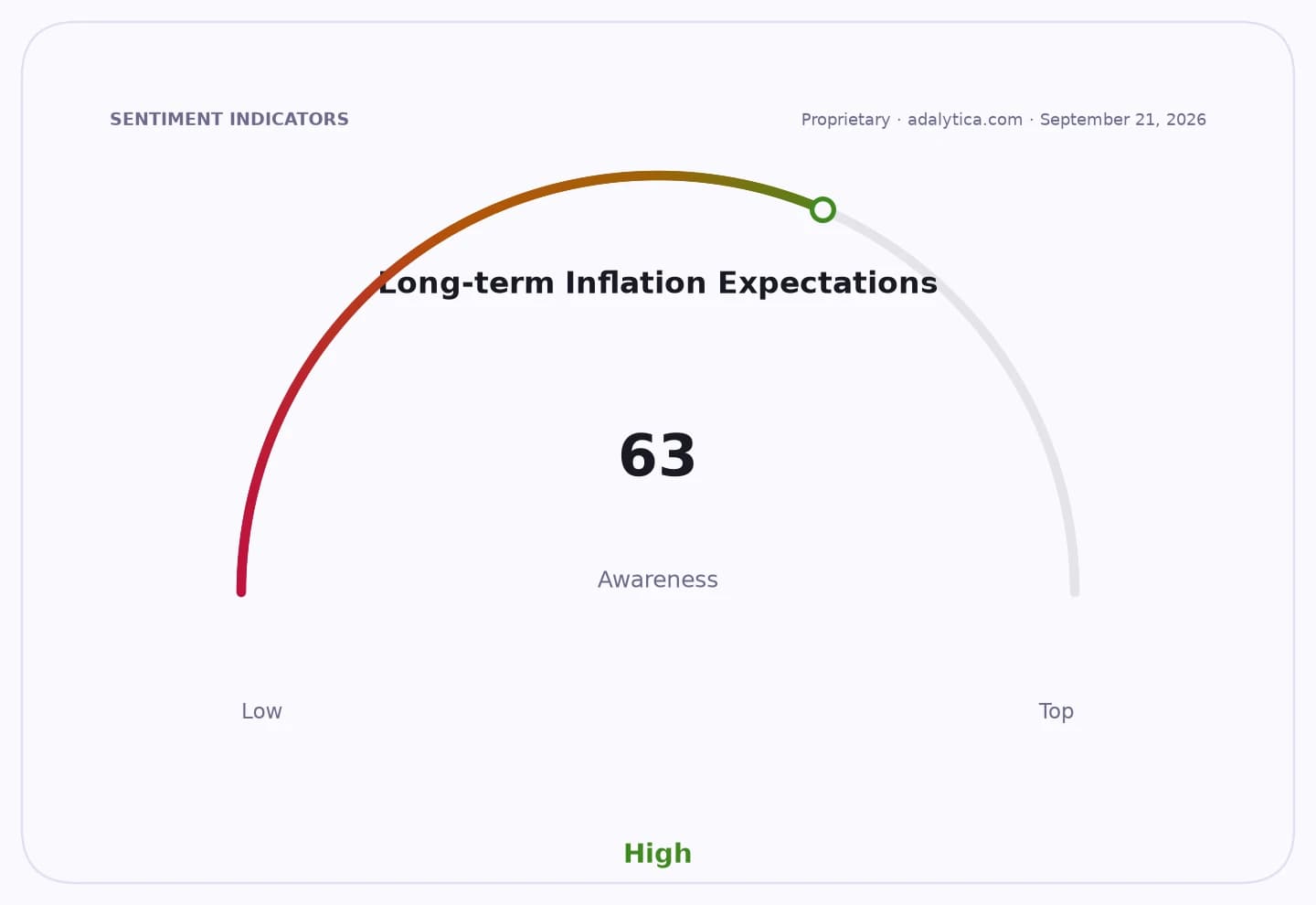
Sentiment IndicatorsⓘProprietary · adalytica.com · September 25, 2026
This is a snapshot — live sentiment, awareness and momentum for 130+ markets update continuously in the dashboard.Open AlphaPulse
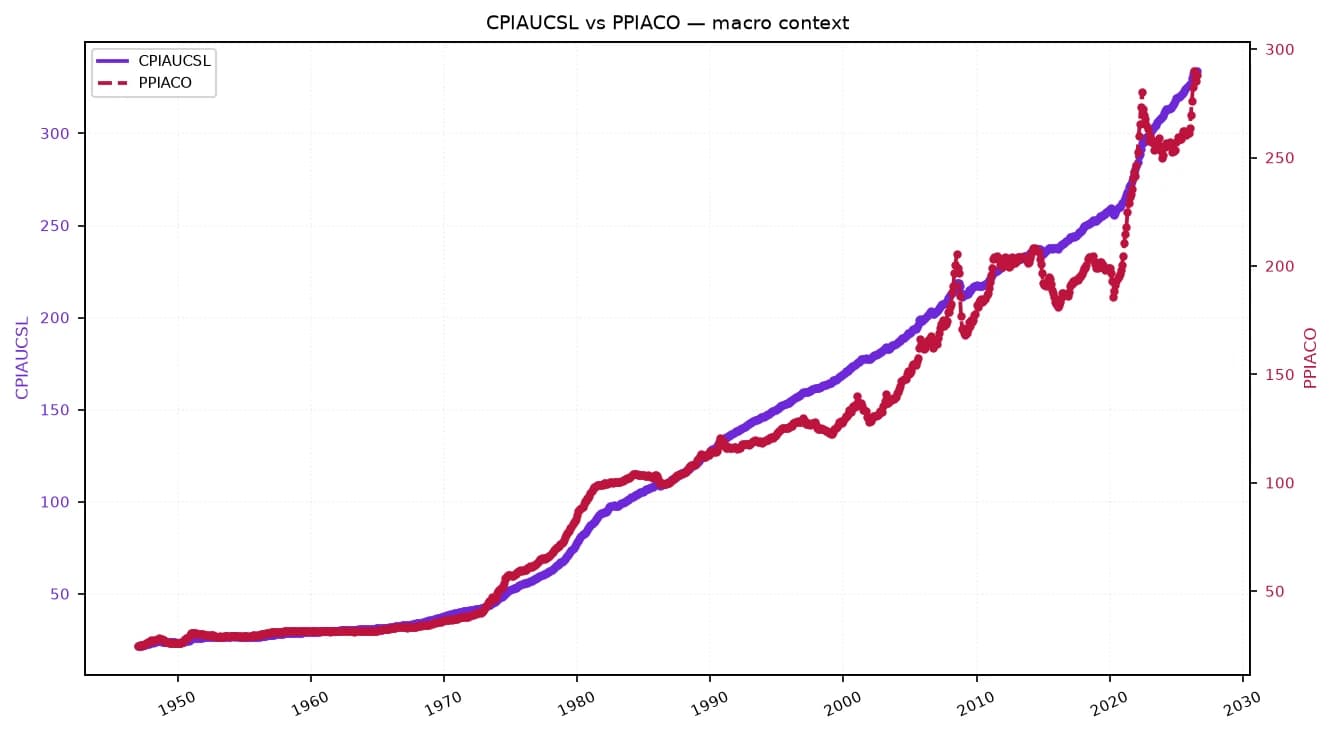
The pressure is consistent with broader raw-material inflation. US producer prices for all commodities have risen to 287.928 in August from 285.181 in July, while consumer prices also edged higher to 334.131 from 332.813. The pattern suggests that input costs remain sticky even as some monthly moves cool. A forecast for September points to only a marginal easing in consumer prices and little change in producer prices, underscoring how persistent the cost surge has been.
That backdrop helps explain the strength in steel names such as Nucor, Steel Dynamics and Alcoa, which have all seen sharp share-price gains in recent months as investors priced in stronger selling prices and resilient margins. Nucor’s stock has risen from $139.22 in late October to $247.96, even after a recent pullback, while Steel Dynamics remains far above its 200-day moving average despite a recent decline from summer highs. The move reflects the market’s expectation that pricing power can offset some cost pressure, at least for the strongest producers.
For steelmakers, higher prices are a double-edged sword. Nucor said in its latest filing that average selling prices increased across several businesses, helping metal margins even as scrap and scrap substitute costs rose. Alcoa, meanwhile, has benefited from a broader commodities bid, though its stock has weakened recently as investors reassess the durability of the rally. The bull case is that persistent inflation and supply tightness keep pricing firm; the bear case is that weaker end-demand, tariff friction and higher financing costs eventually curb construction and industrial activity.
The macro picture is less benign. Consumers are already under strain from expensive fuel and food, and rising material costs make it harder for governments to argue that inflation is under control. In markets, that keeps attention on whether commodity producers can continue to defend margins without triggering demand destruction. If construction demand holds up, steelmakers could continue to outperform. If it breaks, the same price increases now helping producers could quickly become a drag on volumes and earnings.
| Entity | Gains | Losses |
|---|---|---|
| Steelmakers | ▲Higher selling prices | ▼Demand-sensitive buyers |
| Contractors/builders | ▲None | ▼Higher input costs |
| Consumers/households | ▲None | ▼More expensive repairs |
| Inflation hedgers | ▲Pricing power | ▼Fixed-income buyers |