Industrialists are weighing factory shutdowns because they cannot raise product prices, a squeeze that points to weak pricing power across manufacturing even as the broader U.S. industrial economy remains on firmer footing than earlier in the cycle.
U.S. manufacturers face weak pricing power
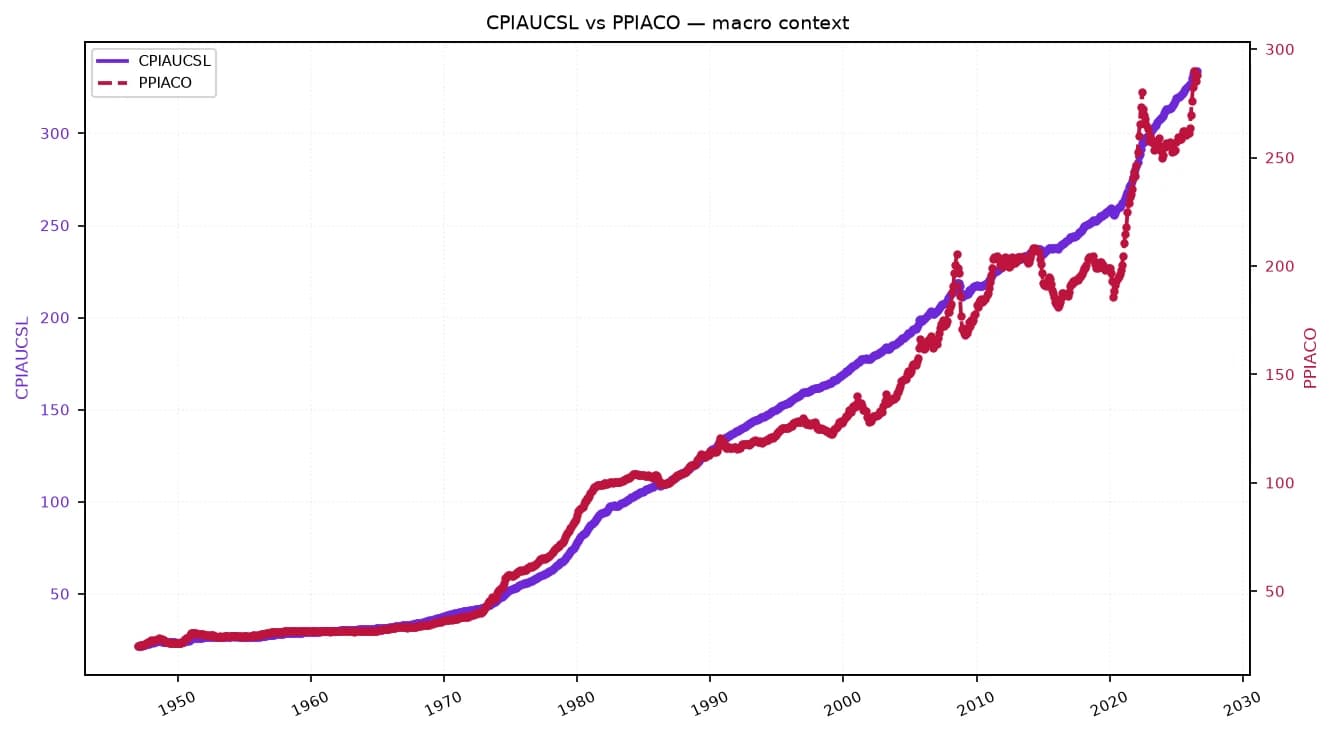
That matters because when producers can’t pass through costs, margins narrow fast and management teams start cutting output, idling lines or closing plants to protect cash flow. The pressure is showing up against a backdrop of U.S. industrial production near a fresh cycle high, with the index at 103.0682 in August versus 99.2223 at the start of 2024, even as producer prices continue to climb.
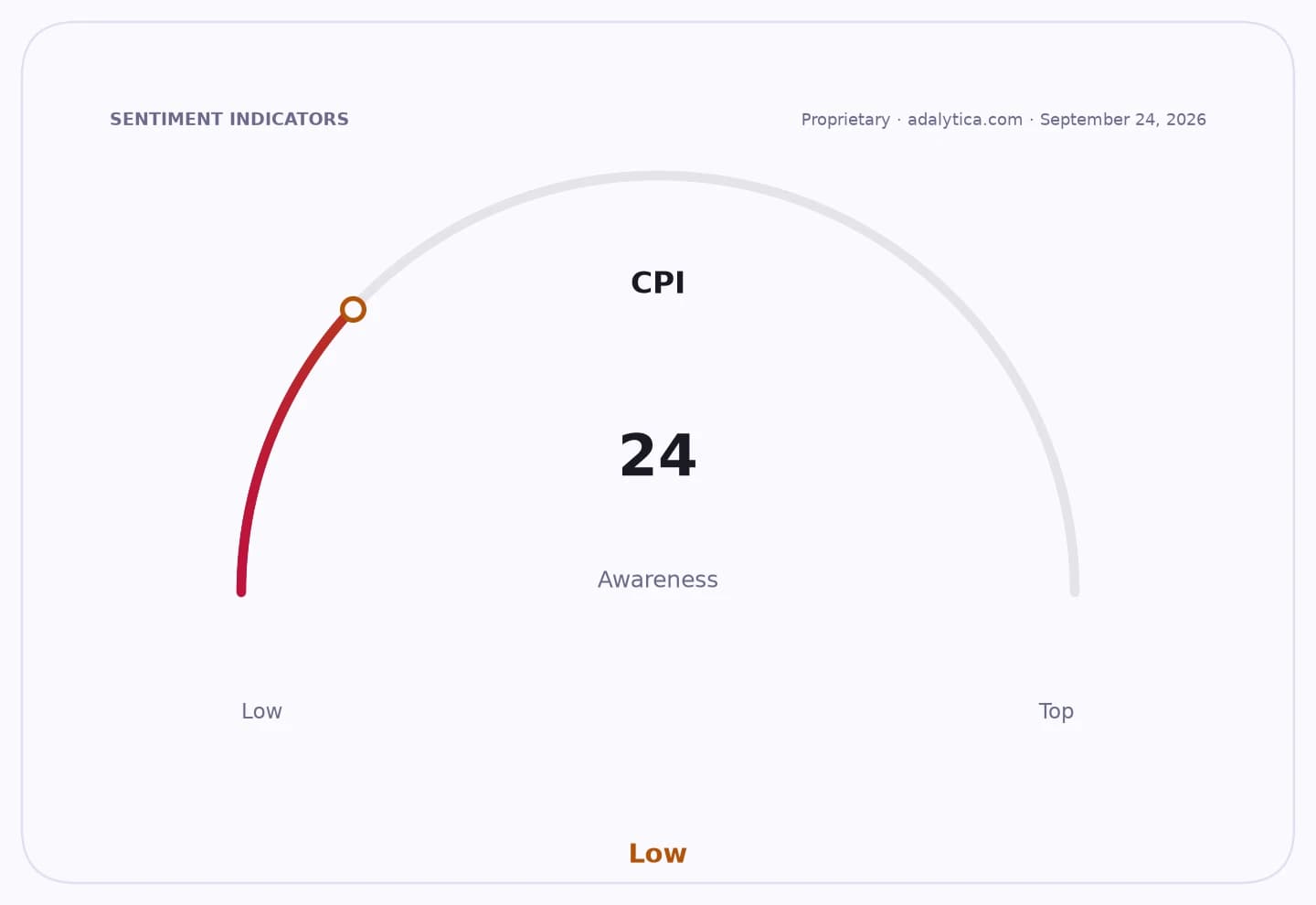
Sentiment IndicatorsⓘProprietary · adalytica.com · September 24, 2026
This is a snapshot — live sentiment, awareness and momentum for 130+ markets update continuously in the dashboard.Open AlphaPulse
The most immediate strain is on heavy industry. The producer price index for commodities is at 287.928, up from 256.978 in April 2024 and 285.181 in July, underscoring that input costs have not disappeared. If selling prices stay stuck, the burden falls on manufacturers’ gross margins and on sectors that rely on commodity-intensive production, including steel, construction equipment and transport-related suppliers.
Investors have already been trading that tension. The industrials ETF XLI closed at 170.1 on Sept. 23, below its 50-day moving average of 178.07 and with an RSI reading of 42.6, while the small-cap proxy IWM ended at 281.92, also below its 50-day average of 293.89. The weaker technical setup suggests traders are still wary of cyclical exposure even as the economy avoids a broad industrial slump.
Commodity and metals stocks have been more volatile. XME, the metals and mining ETF, was last at 109.58, below both its 50-day average of 111.12 and 200-day average of 113.61, reflecting how quickly sentiment can swing when pricing power is in question. At the same time, U.S. unemployment remains low at 4.1%, and that keeps domestic demand from collapsing even if factory owners are forced to rationalize capacity.
The broader narrative is a manufacturing sector caught between sticky costs and limited pricing power. For investors, that means the market is likely to keep rewarding companies with stronger bargaining leverage, lower input sensitivity or exposure to end markets still seeing volume growth, while punishing producers that depend on price increases to preserve margins.
The key catalyst is the next round of corporate guidance and factory-order data, which will show whether companies are choosing to trim capacity rather than absorb another period of flat pricing.
| Entity | Gains | Losses |
|---|---|---|
| Large manufacturers with pricing power | ▲Preserve margins | ▼Face less pressure |
| Commodity-heavy producers | ▲Benefit from volume stability | ▼Suffer margin compression |
| Industrial ETF XLI longs | ▲Support from broad macro resilience | ▼Risk more downside if closures rise |
| Small-cap industrials and cyclical suppliers | ▲Can gain from eventual restructuring | ▼Hurt by weaker factory utilization |