Chip shortages are back on the market’s radar as major semiconductor makers and their customers say demand is running ahead of supply, tightening an already volatile supply chain and lifting investor focus to capacity, pricing and delivery risk.
Semiconductor chip shortages tighten supply chain

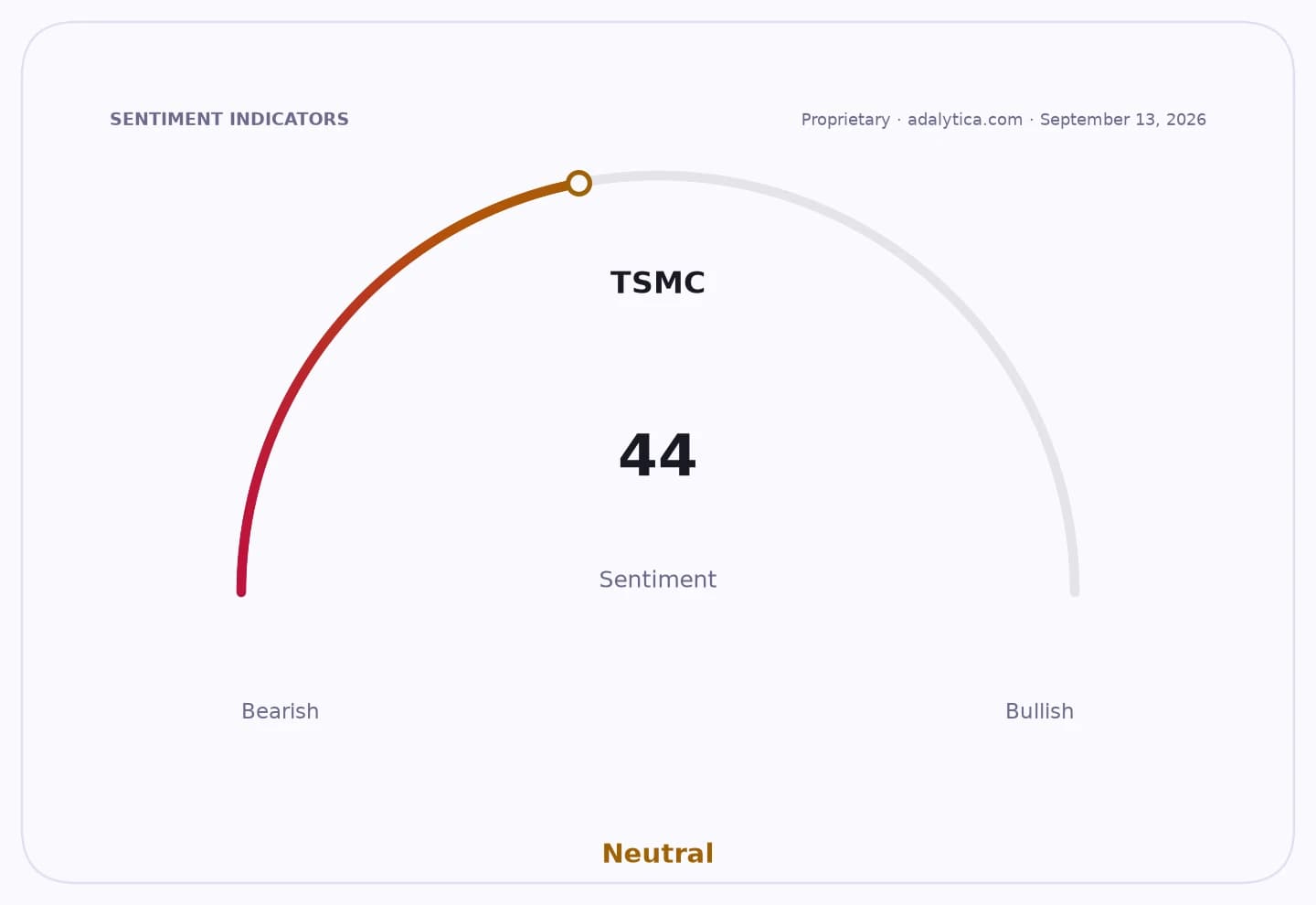
The clearest evidence is coming from company filings. Intel said in its latest 10-Q that market demand exceeded available product supply in the second quarter because of industry-wide and internal constraints, while also warning that those shortages may persist into next year even as it adds capacity. TSMC, the sector’s key foundry, continues to operate under a global supply environment that leaves customers exposed to bottlenecks in advanced chips used across data centers, smartphones and autos.
Sentiment IndicatorsⓘProprietary · adalytica.com · September 23, 2026
This is a snapshot — live sentiment, awareness and momentum for 130+ markets update continuously in the dashboard.Open AlphaPulse
That matters economically because semiconductors sit at the center of industrial production, cloud infrastructure and consumer electronics. When output cannot keep up with orders, it can delay shipments, squeeze margins through higher input and logistics costs, and force customers to carry more inventory or pay up for scarce components. Apple has already said it relies on single or limited sources for some parts and expects supply and pricing pressure to intensify, underscoring how chip constraints ripple far beyond the sector.
Investors are already positioning for the squeeze. The VanEck Semiconductor ETF, SMH, has climbed to $601.41 from a March low near $362.53, while the iShares Semiconductor ETF, SOXX, is up to $565.72 from $309.44 in late March. Both funds are trading well above their 50-day moving averages, with momentum indicators such as RSI readings showing overbought conditions at times, suggesting the market is pricing in continued scarcity and strong chip pricing power.
Industrial Production — 30-day sentimentadalytica.com
Explore this data interactively — full history, time series and cross-market comparisons.Open AlphaPulse
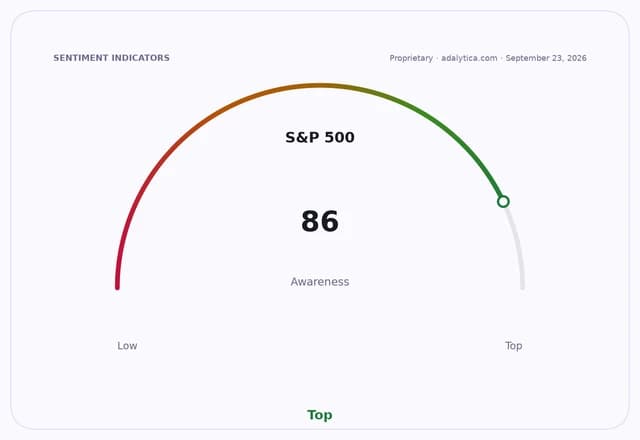
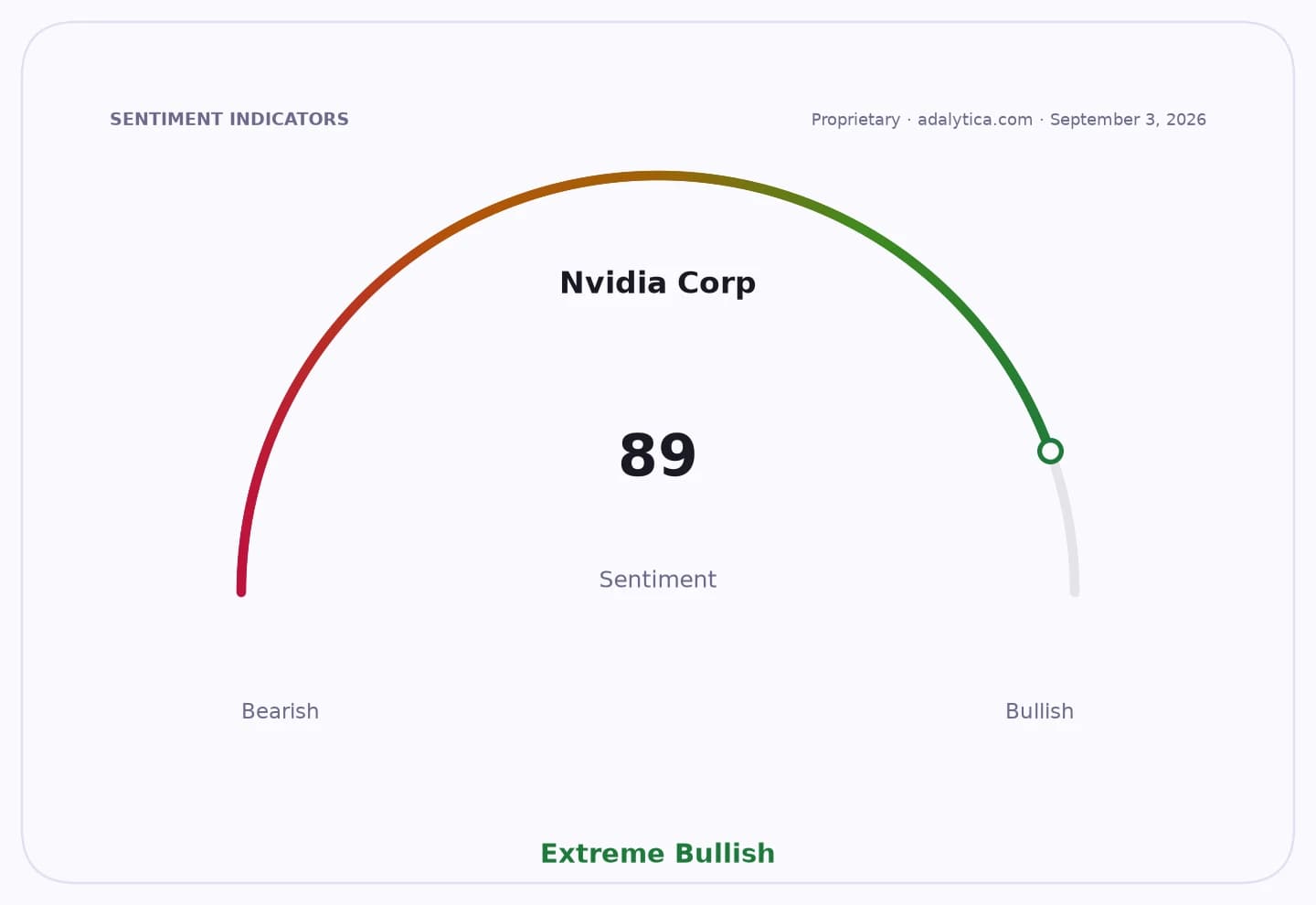
TSMC shares have also rebounded to $446.57, while Intel remains more exposed to the operating risk of not being able to meet demand across its own product lines. Nvidia has flagged in its SEC filing that the complexity and scale of data-center systems can cause production delays, supply-demand mismatches and revenue volatility, a reminder that even the AI boom depends on a supply chain with very few spare links.
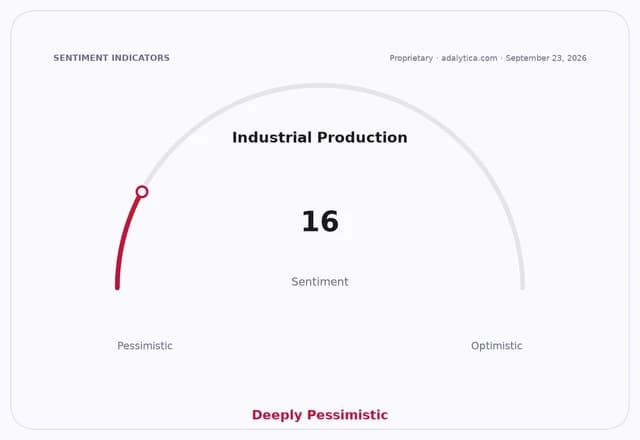
The broader backdrop is not helping. The 10-year Treasury yield has pushed back above 4.95%, tariffs and geopolitical strain remain a constant variable, and Adalytica’s industrial production sentiment gauge has fallen to “Fear,” pointing to fresh caution around manufacturing conditions. If supply constraints do not ease into the fourth quarter, the next catalysts will be earnings guidance, foundry capacity updates and any sign that bottlenecks are widening from chips into downstream industrial output.
| Entity | Gains | Losses |
|---|---|---|
| Chipmakers with scarce capacity | ▲Higher pricing power | ▼Less |
| Semiconductor buyers | ▲More assured supply | ▼Higher costs, delays |
| SMH and SOXX holders | ▲Sector momentum | ▼Valuation risk |
| Intel and supply-constrained peers | ▲Demand tailwind | ▼Execution pressure |