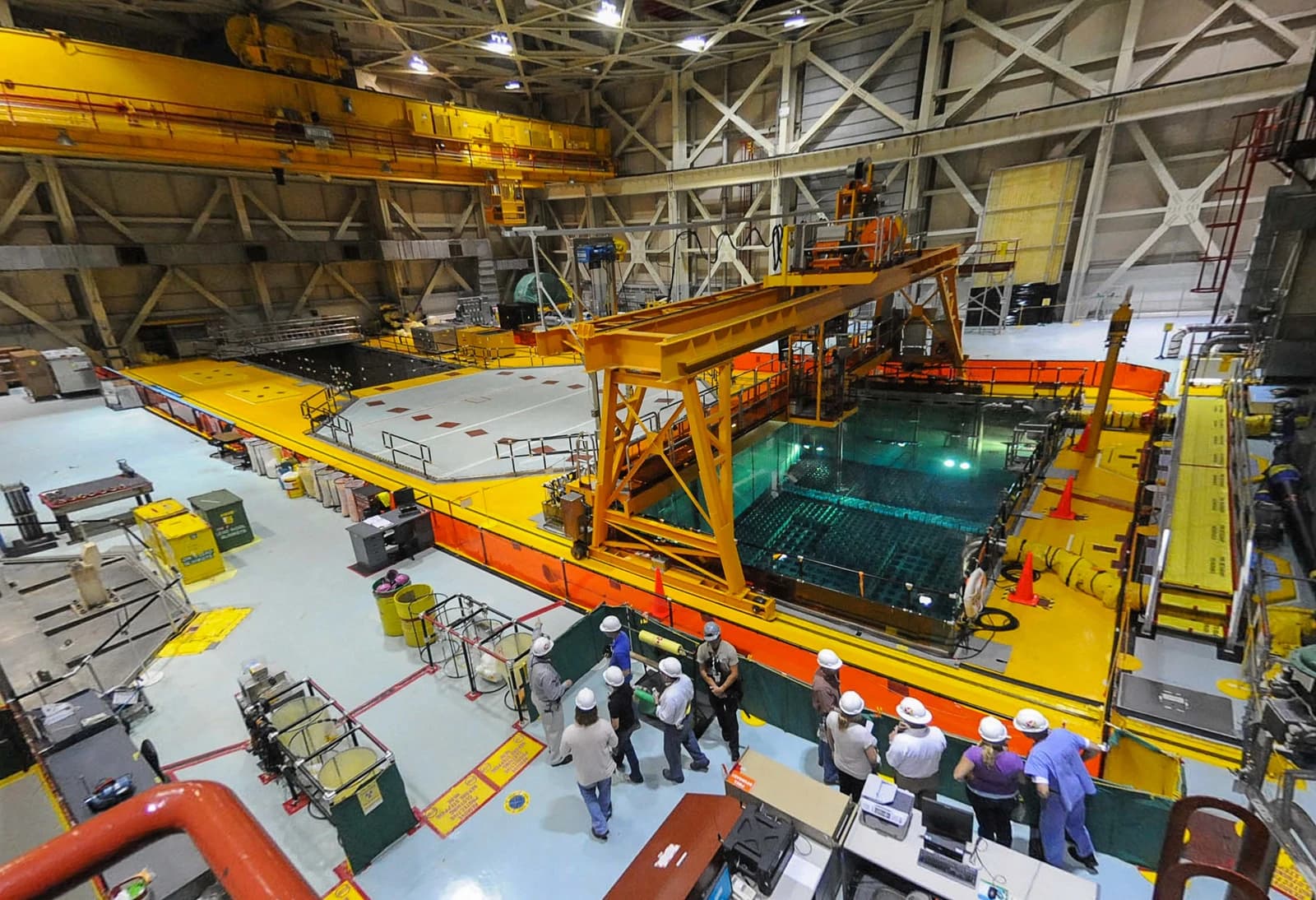
Small-cap nuclear stocks are already generating real profits — for traders betting against them — even though the reactors themselves remain years from commercial scale.
SMR Stocks Fall as Short Sellers Gain
The sharpest money in the small modular reactor trade has not come from building reactors or selling power, but from short sellers riding a brutal reversal in some of the market’s most heavily promoted clean-energy names. Data from S3 Partners cited by the Financial Times show bearish positions in NuScale Power, Nano Nuclear and Oklo have produced about $2.1 billion in gains over the past year as the shares have fallen, even after a burst of speculative buying tied to artificial intelligence and data-centre power demand.
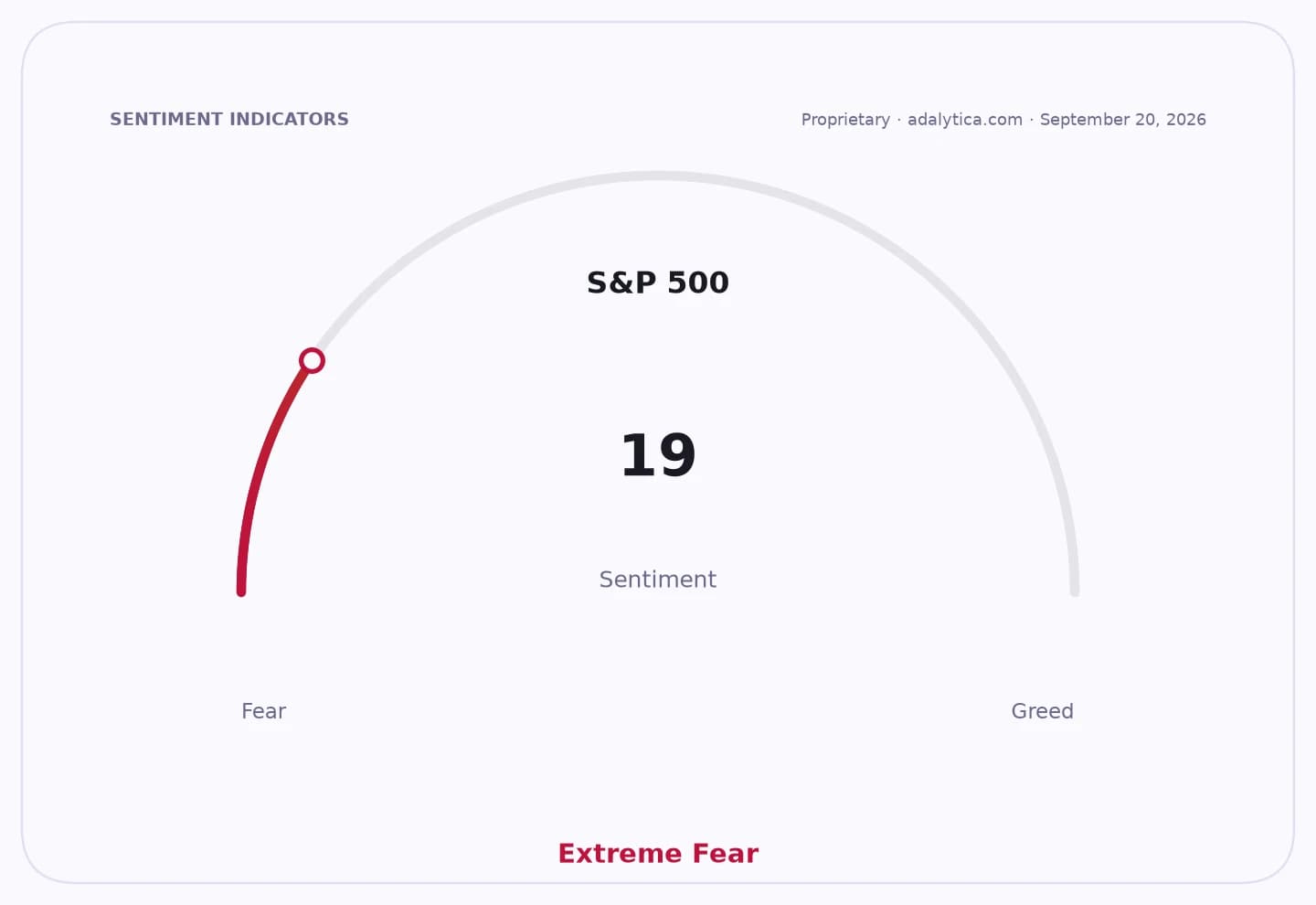
Sentiment IndicatorsⓘProprietary · adalytica.com · September 20, 2026
This is a snapshot — live sentiment, awareness and momentum for 130+ markets update continuously in the dashboard.Open AlphaPulse
That matters because it is a reminder that the SMR sector is still being valued less on earnings than on narrative. These companies remain loss-making, with limited revenue and substantial funding needs, while the commercial case for small reactors is still largely unproven. The gap between long-term strategic value and near-term cash flow has created one of the market’s clearest battlegrounds: bulls are pricing in a future energy bottleneck, while bears are trading the delay.
The short interest itself shows how crowded the trade has become. S&P Global Market Intelligence data cited by the FT put borrowed shares at about 18% of the free float for Oklo and NuScale, and close to 30% for Nano Nuclear. That level of positioning can amplify volatility in both directions, but the broader trend has been down. Since the start of the selloff last October, the combined market value of the three companies has dropped by more than $30 billion.
The price action underlines how quickly momentum can reverse when a sector’s valuation gets far ahead of deployment timelines. Oklo, NuScale and Nano have all been beneficiaries of the AI buildout story, as hyperscale technology groups hunt for firm power to feed data centres that cannot rely on intermittent generation. President Donald Trump has also signaled support for nuclear expansion, including small reactors, adding a policy tailwind. But the market has increasingly focused on a harder reality: these projects can take years to finance, license and construct, while losses continue to mount.
That is where the economic significance lies. If the SMR thesis works, it could unlock a new supply curve for dispatchable clean power and give utilities, industrials and cloud operators a lower-carbon alternative to gas-fired generation. If it stalls, capital will keep being consumed long before revenue arrives, and the sector’s current valuations will continue to be vulnerable to dilution, delays and disappointment. Adam Stein of the Breakthrough Institute told the FT the shares were “inflated based on speculation,” describing the sector as having gone through a textbook hype cycle.
For investors, the near-term question is not whether nuclear power has a role to play, but which companies can survive long enough to capture it. Upcoming listings from Holtec International and Westinghouse Electric will be a key test of whether the market still wants more exposure to the theme, or whether the last year’s speculative froth has already been priced out. Until SMRs move from promise to contracted cash flow, the trade is likely to remain less about reactors than about timing, financing and who is left standing.
| Entity | Gains | Losses |
|---|---|---|
| Short sellers | ▲Mark-to-market profits | ▼Crowded squeezes |
| NuScale, Oklo, Nano Nuclear longs | ▲AI/nuclear narrative upside | ▼Valuation reset |
| Utilities and data-center buyers | ▲Future firm power option | ▼Delayed supply |
| Upcoming IPO candidates | ▲Sector attention | ▼Harder pricing |