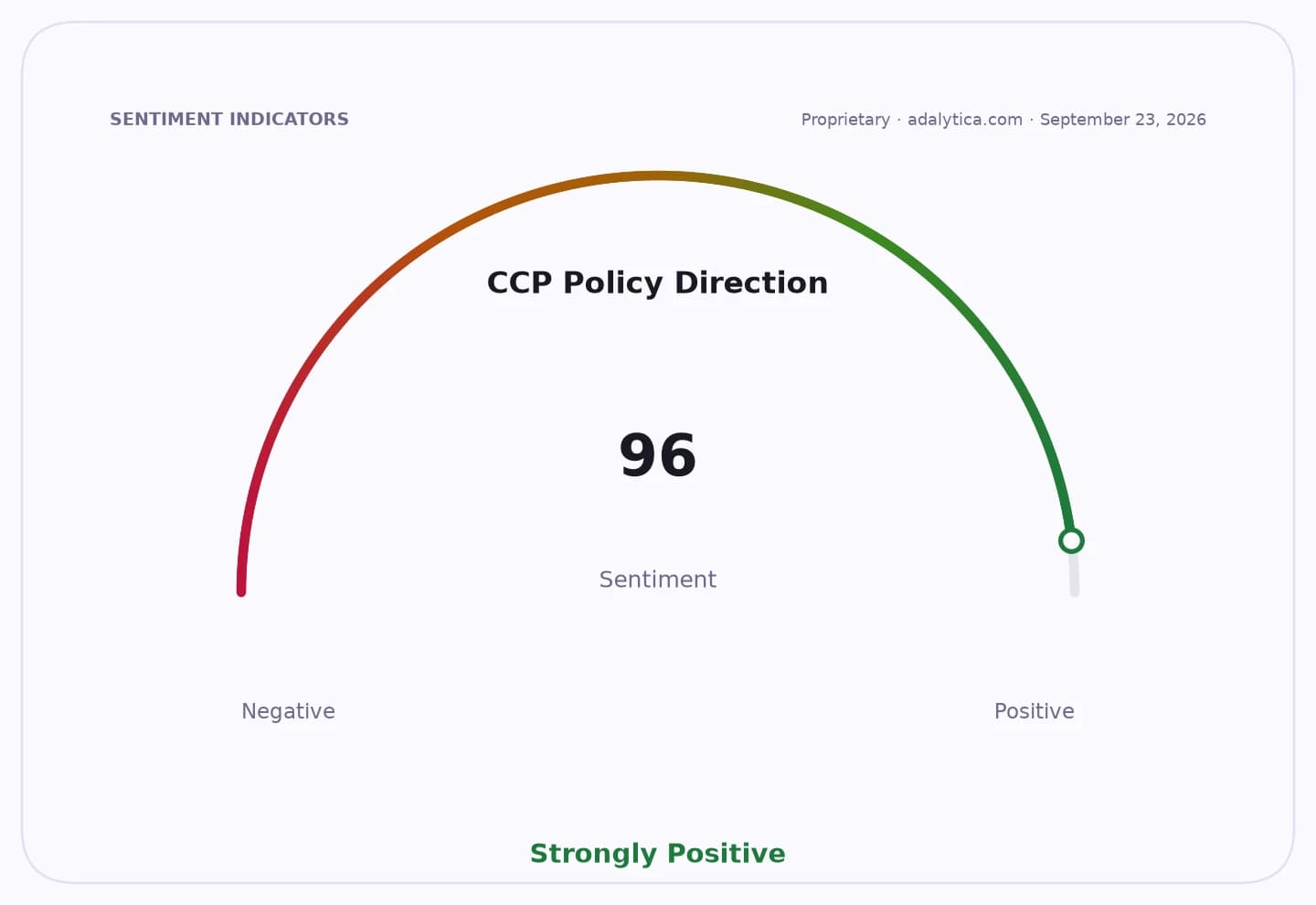
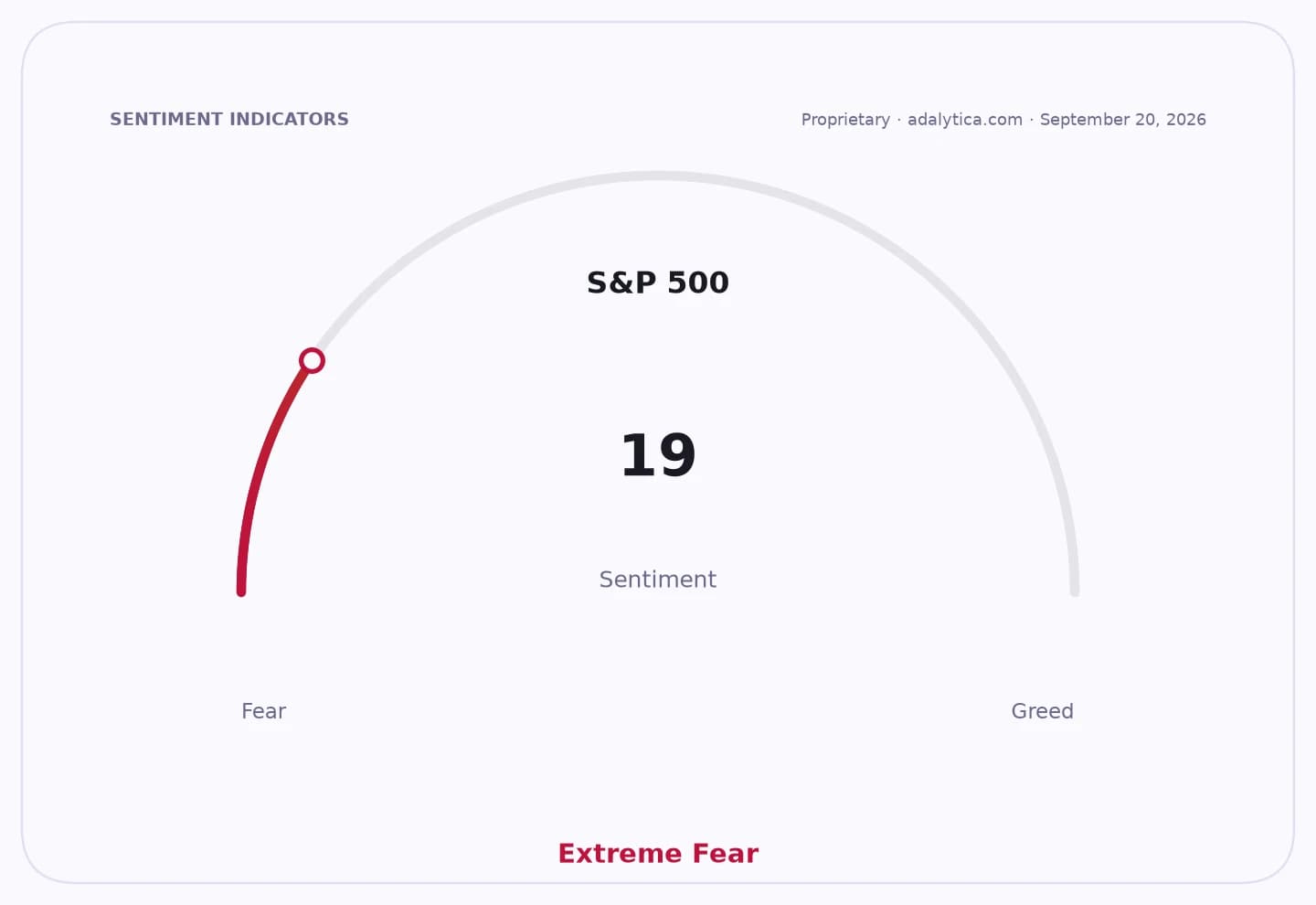
Radioactive waste and spent fuel management is becoming a bigger business opportunity as the nuclear industry’s revival pushes utilities, governments and contractors to deal with the expensive end of the nuclear fuel cycle.
Nuclear Waste Management Gains as Reactor Demand Rises
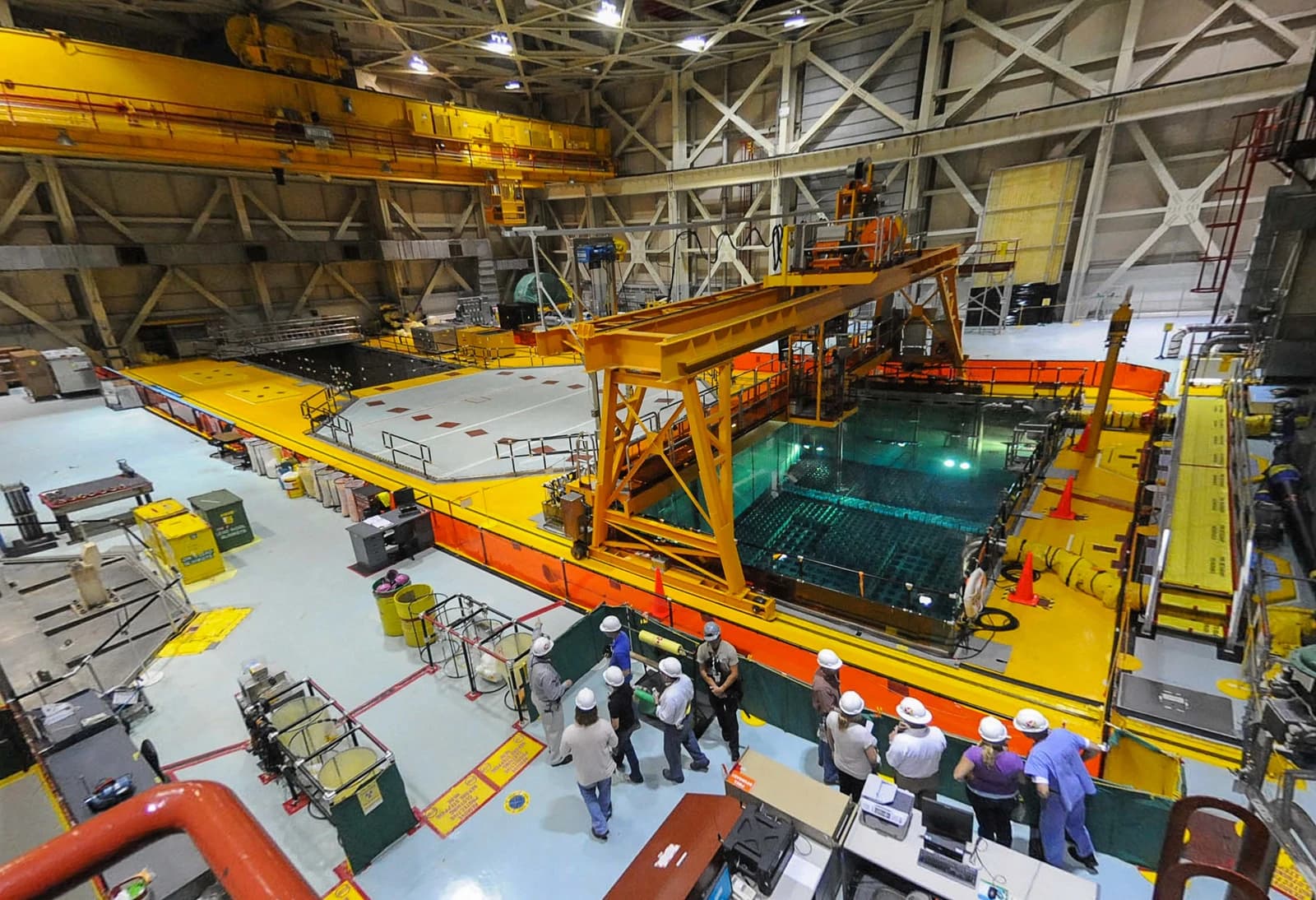
That matters because the clean-energy case for nuclear power now has a balance-sheet problem attached to it: more reactors, longer operating lives and more advanced designs all create more spent fuel, more decommissioning work and more demand for highly specialized handling, storage and cleanup services. For investors, that shifts the story from a simple power-generation theme to a broader infrastructure and industrial-services opportunity with recurring contracts, regulated demand and long duration.
Sentiment IndicatorsⓘProprietary · adalytica.com · September 5, 2026
This is a snapshot — live sentiment, awareness and momentum for 130+ markets update continuously in the dashboard.Open AlphaPulse

The backdrop is a nuclear sector that has clearly moved out of its post-Fukushima slump. Centrus Energy said in its latest filing that the global nuclear industry outlook has improved after years of decline or stagnation, while the International Energy Agency sees nuclear generation climbing sharply over the next decade and beyond. That growth does not just benefit reactor builders and uranium suppliers. It also enlarges the market for spent fuel storage, waste packaging, transport casks, site remediation and decommissioning services — the unglamorous but unavoidable costs of keeping the atom in the energy mix.
That is why companies tied to the back end of the nuclear fuel cycle deserve more attention from long-term investors than they often get. BWX Technologies has pointed to its specialized capabilities in life-cycle management of special materials and critical government-owned nuclear sites, while Centrus has remained focused on uranium enrichment and technical solutions that sit closer to the fuel cycle. Both sit in an industry where barriers to entry are high, regulatory oversight is intense and customer relationships tend to last for years.
The pricing picture in related nuclear names shows that investors are already paying for that thesis, even if the trade remains volatile. Centrus has pulled back from highs above $120 earlier this year and was last around $100.74, while BWX Technologies has fallen from above $220 in March to about $157.59. Lewis Energy? No — the more relevant point is that market enthusiasm has not translated into smooth gains, which is exactly what long-term investors should expect from a sector tied to policy, regulation and capital spending cycles. The opportunity is not in timing the next headline, but in owning the scarce providers that keep the nuclear fleet operating safely for decades.
There is also a practical reason the waste-management angle matters now: rising rates and uneven market sentiment can pressure capital-intensive projects, but they do not eliminate the need to manage spent fuel. The 10-year Treasury yield is around 4.8%, which raises the cost of financing infrastructure-heavy projects, yet it also underscores the value of businesses with regulated or contracted cash flow. In other words, higher rates may slow some new-build enthusiasm, but they make the durability of nuclear services providers more attractive.
For investors, the key question is not whether spent fuel management is exciting. It is whether it is essential. The answer is yes. Every operating reactor eventually creates waste, every shutdown plant eventually needs decommissioning, and every country that wants nuclear power at scale has to solve storage and disposal. That is a durable demand curve, not a fad.
The risk, of course, is that politics and permitting can move slowly, and the economics of storage and disposal are often tied to government decisions rather than pure market demand. But that is also what can create moat-like businesses: companies with technical know-how, safety credentials and regulatory approval are hard to replace.
For long-term investors, radioactive waste and spent fuel management looks less like a niche and more like one of the most resilient parts of the nuclear value chain. It is worth watching, and for patient investors, worth owning indirectly through diversified exposure to the sector’s best operators.
| Entity | Gains | Losses |
|---|---|---|
| Nuclear services providers | ▲Higher long-term demand | ▼Limited competition |
| Utilities and reactor owners | ▲Better waste support | ▼Higher compliance costs |
| Centrus Energy | ▲Broader nuclear tailwinds | ▼Near-term volatility |
| BWX Technologies | ▲Cleanup and life-cycle contracts | ▼Rate-sensitive sentiment |