The Bank of Canada is being forced to balance sticky inflation against a fresh hit to growth from U.S. tariffs, and that tug of war is keeping the door open to another rate increase.
Bank of Canada Faces Inflation Tariffs and Higher Rates
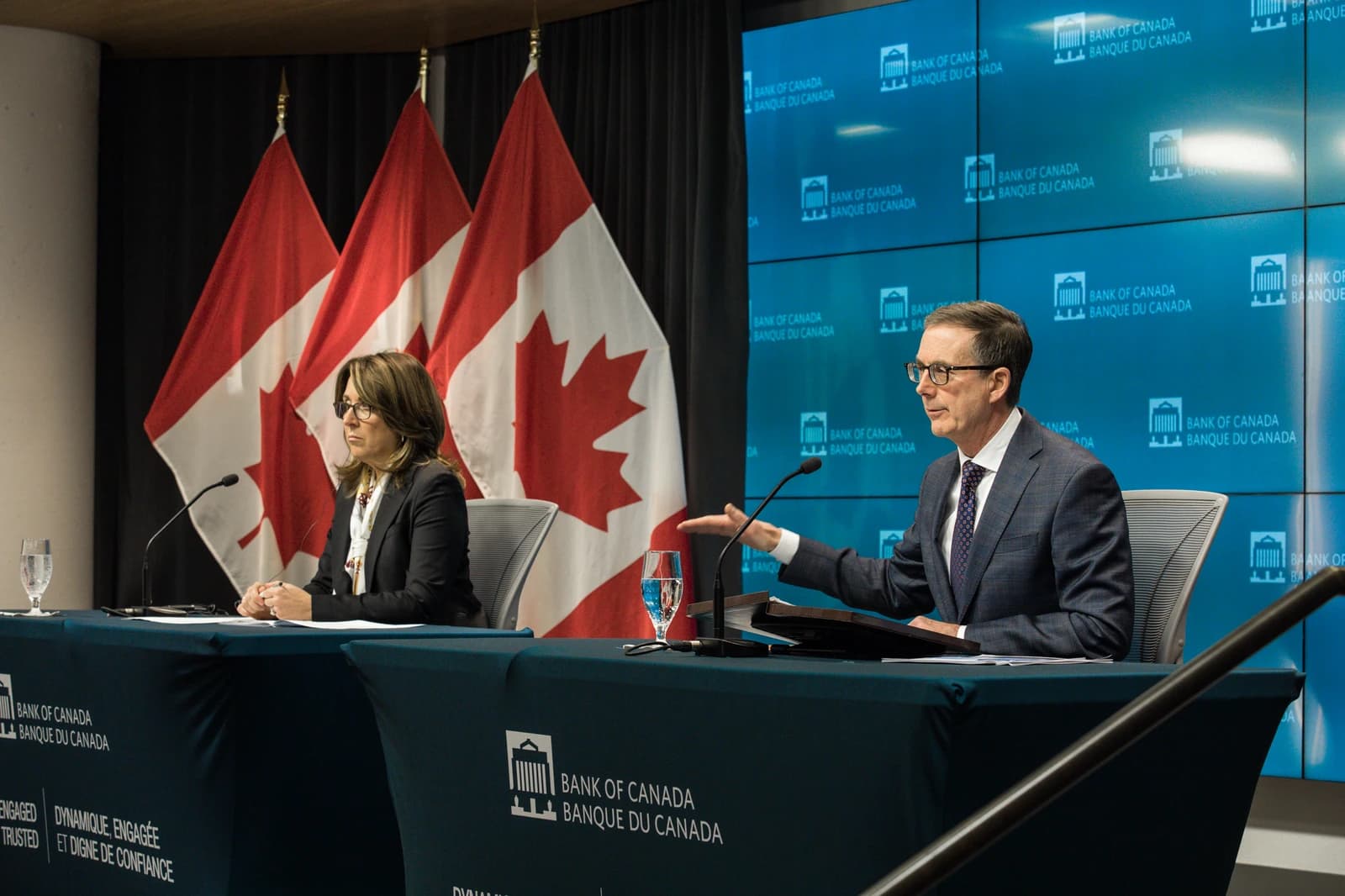
Governor Tiff Macklem’s latest remarks sharpen the central bank’s dilemma: inflation is still running at 3%, the top of the Bank of Canada’s target range, while escalating trade conflict with the U.S. threatens to slow investment, hiring and fourth-quarter growth. For investors, that is the worst kind of policy backdrop — not a clean tightening cycle, but a data-dependent pause in which rates can still rise if prices stay elevated and growth remains too resilient.
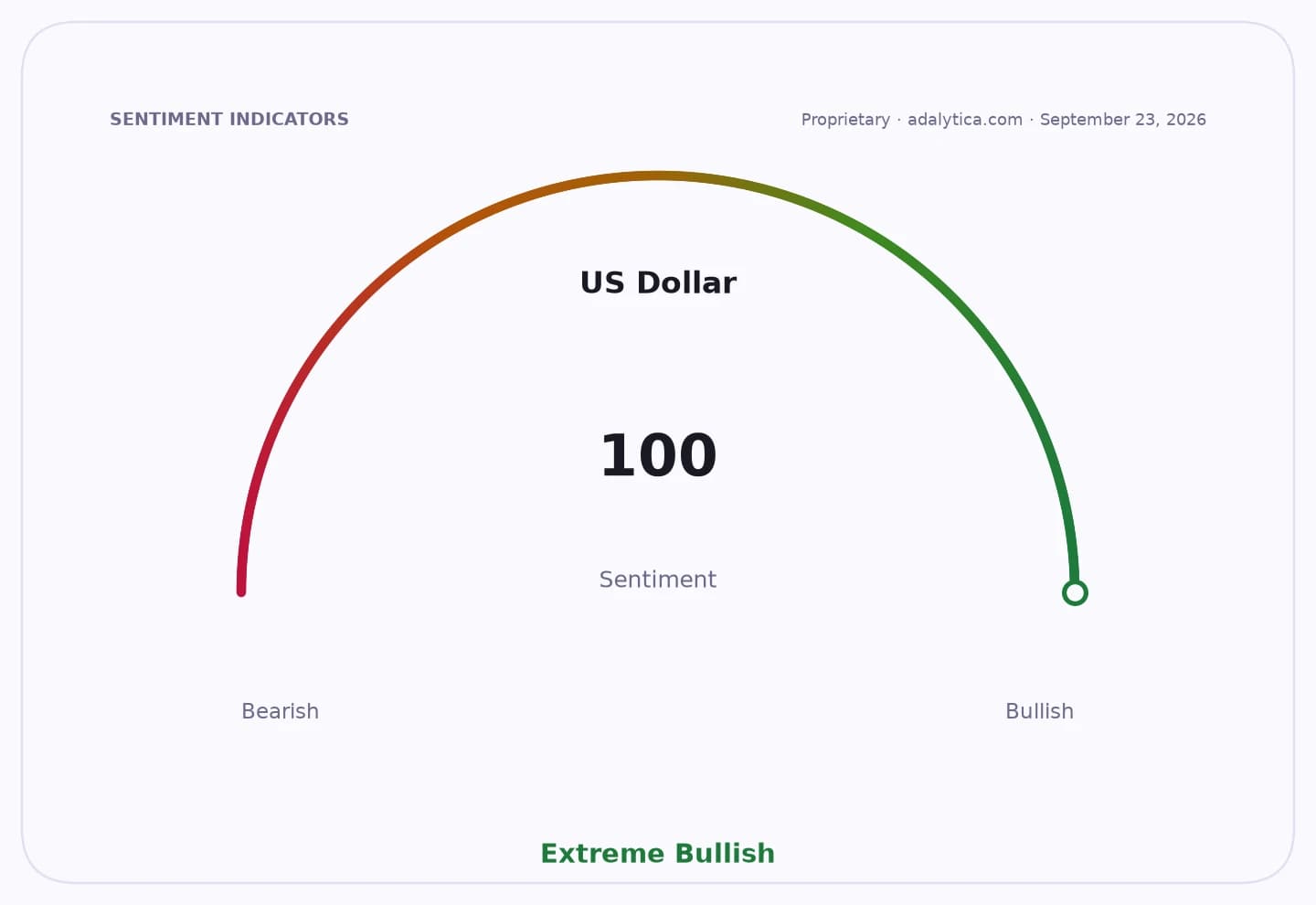
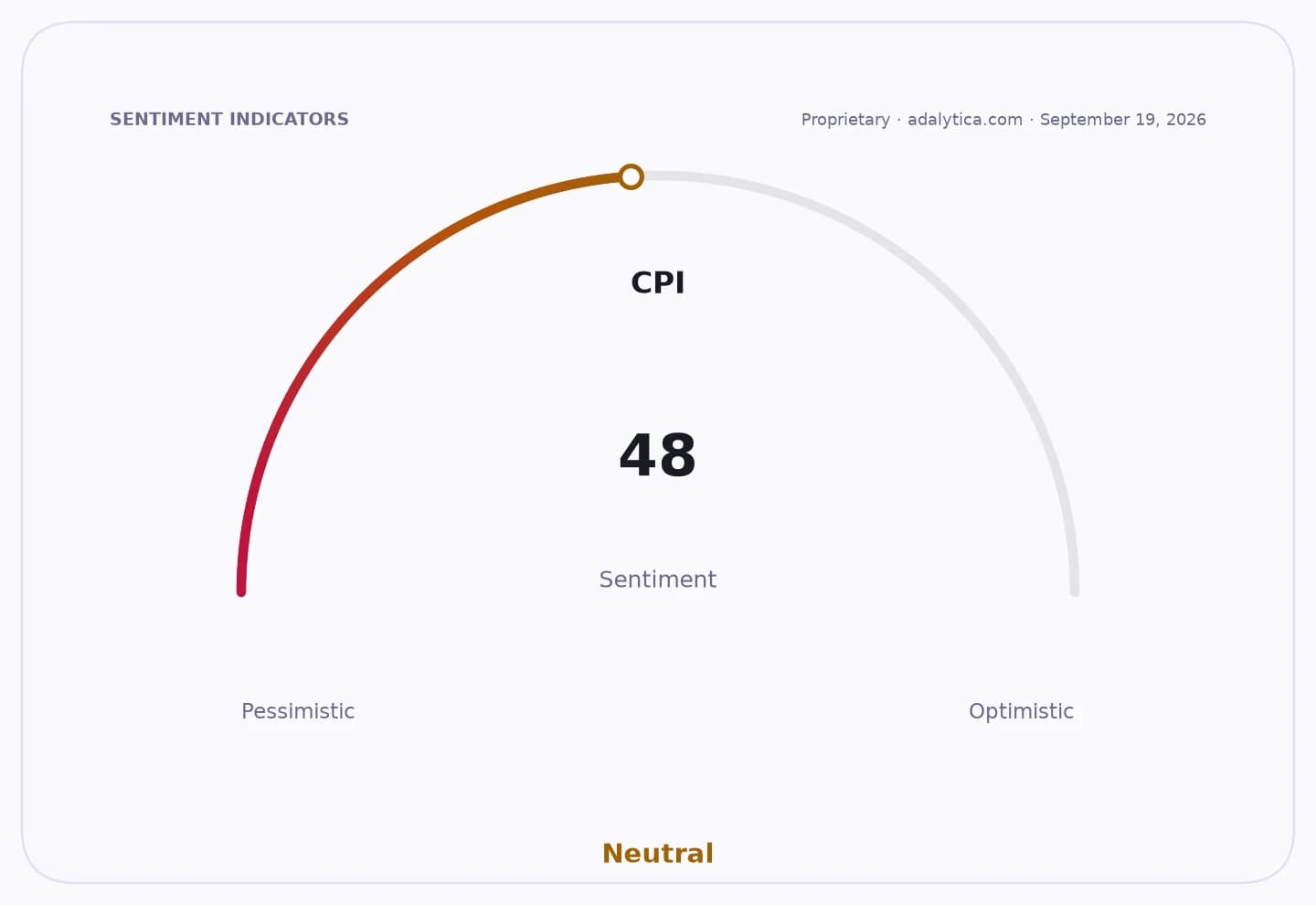
Sentiment IndicatorsⓘProprietary · adalytica.com · September 25, 2026
This is a snapshot — live sentiment, awareness and momentum for 130+ markets update continuously in the dashboard.Open AlphaPulse
Macklem said crude near $100 a barrel is likely to push inflation higher from here, increasing the risk that price pressures broaden and become more persistent. At the same time, he warned that if tariffs stay in place, fourth-quarter growth could slow to below 1% annualized, well under the central bank’s July projection of 1.5% for the third quarter. That combination matters because it raises the odds of a policy mistake in either direction: tighten too soon and choke a weakening economy, wait too long and let inflation expectations drift higher.
Markets are already leaning toward more tightening. The two-year Canadian government bond yield has recently traded more than a percentage point above the Bank of Canada’s 2.25% policy rate, a clear sign fixed-income traders are pricing in higher rates ahead. The Canadian dollar also sits under pressure near 1.41 per U.S. dollar, with conventional technical indicators showing it trading just above its 50-day and 200-day moving averages, a sign the currency is still vulnerable if the bank sounds less hawkish than the market expects.
The bigger investment story is that Canada’s economy is being pulled in two opposite directions. Higher energy prices are an inflation tailwind, while tariffs are a growth shock. Macklem’s comments suggest the central bank may tolerate a short wait-and-see period, but not a prolonged one if inflation broadens. That leaves rate-sensitive sectors exposed, especially housing, consumer credit and highly levered businesses, while bank stocks could see mixed effects: wider spreads if rates rise, but slower loan growth if trade uncertainty dents activity.
There is also a more structural angle the market may be underestimating. Macklem pointed to a 14.5% jump in nonenergy exports in the second quarter, evidence that Canadian firms are already reworking supply chains and diversifying away from tariff exposure. That is not just a defensive move — it is a capital-allocation shift that can benefit logistics, industrials, exporters and firms tied to trade rerouting, even as domestically oriented businesses feel the squeeze.
For now, the message from Ottawa is that the Bank of Canada is not on a preset path. Oil, tariffs and household spending will decide whether the next move is a hold or a hike. Investors should treat Canadian rates as a live volatility trade, not a settled story, and position for beneficiaries of higher-for-longer policy and trade reconfiguration rather than assuming relief is around the corner.
| Entity | Gains | Losses |
|---|---|---|
| Banks | ▲Wider lending margins | ▼Slower loan demand |
| Energy producers | ▲Higher inflation support | ▼Policy tightening risk |
| Exporters | ▲Supply-chain diversification | ▼Tariff disruption |
| Homeowners/borrowers | ▲— | ▼Higher borrowing costs |