Canada’s annual inflation rate slipped to 2% in August from 2.1% in July, a modest move on the surface that still matters for the Bank of Canada, households and anyone watching interest-rate-sensitive assets.
Canada inflation falls to 2% in August
The headline reading puts consumer price growth right at the center of the central bank’s comfort zone, which is why even a tenth of a percentage point matters. For investors, that usually means less pressure on policymakers to keep rates high for longer, which can be supportive for bonds, rate-sensitive equities and heavily indebted businesses. It also keeps alive the longer-term case that inflation is no longer the dominant headwind it was in the 2022-2023 surge.
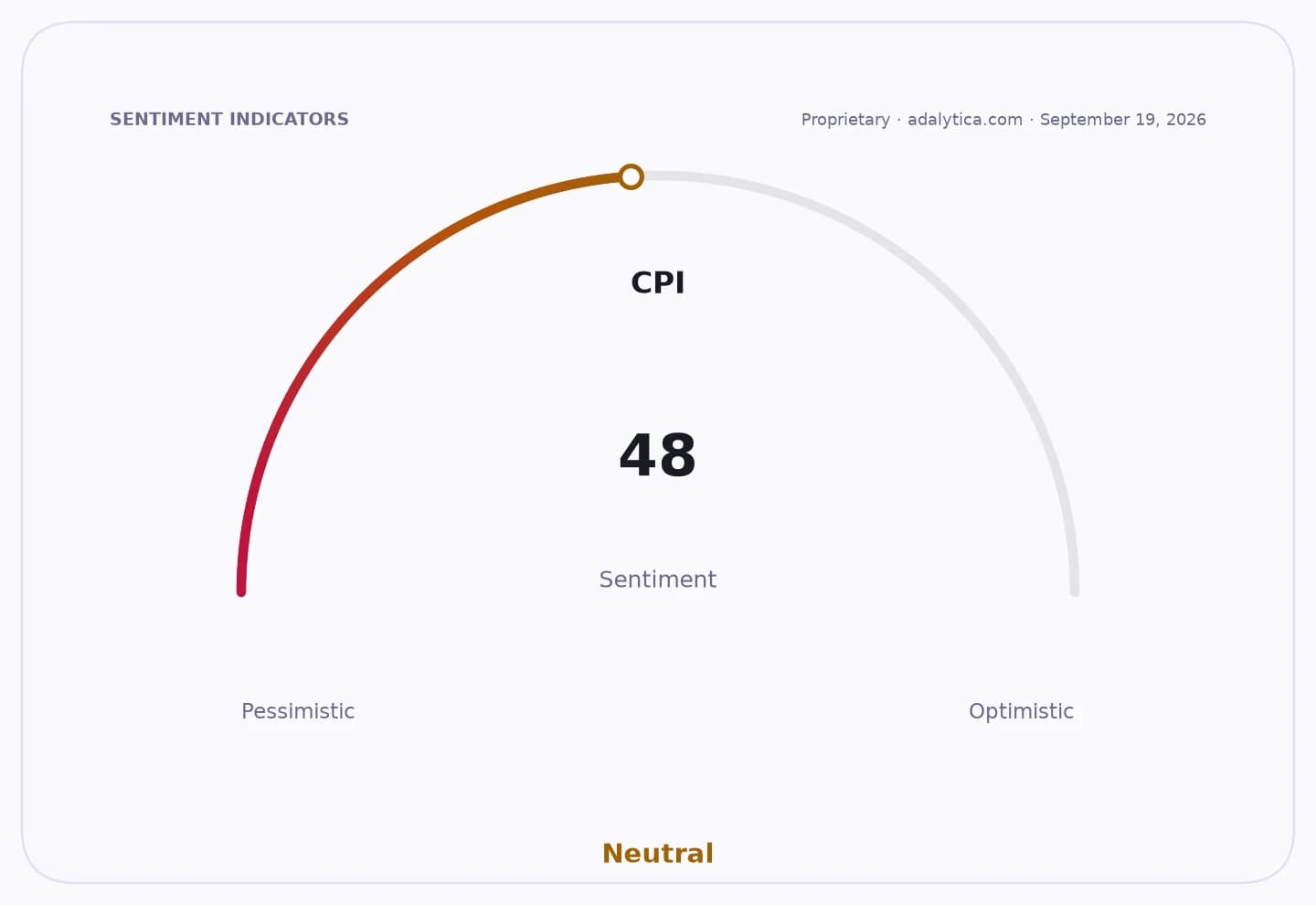
Sentiment IndicatorsⓘProprietary · adalytica.com · September 19, 2026
This is a snapshot — live sentiment, awareness and momentum for 130+ markets update continuously in the dashboard.Open AlphaPulse
The details were mixed, which is exactly what makes this report worth watching rather than celebrating. Restaurant and accommodation prices were the biggest upward driver, adding 0.41 percentage points to the annual rate, while information and communications trimmed inflation by 0.16 percentage points. On a monthly basis, the CPI rose 0.4% in August, while the Bank of Canada’s preferred core measure, which strips out more volatile items, climbed 0.29% from July and stood at 2.3% on a 12-month average basis.
That combination suggests inflation is cooling, but not cleanly enough to declare victory. Services costs are still sticky, and that tends to matter more for central bankers because it reflects wage pressure and domestic demand rather than a one-off move in fuel or food. Still, a headline rate at 2% is better than the alternative for policymakers trying to guide the economy toward slower growth without tipping it into recession.
For investors, the key question is not whether inflation fell by 0.1 percentage point. It is whether this keeps the path open for lower borrowing costs over time. If inflation stays near target and core measures continue to ease, the market can gradually build a case for cheaper credit, which would help Canadian consumers, mortgage holders and sectors tied to financing conditions. If services inflation stays stubborn, though, that relief could arrive more slowly than bulls would like.
The next few months will decide whether August was just a small step lower or the start of a steadier glide toward the Bank of Canada’s 2% goal. For long-term investors, the message is simple: inflation is improving, but the final stretch is usually the hardest.
| Entity | Gains | Losses |
|---|---|---|
| Bank of Canada | ▲More room to ease | ▼Less pressure to stay hawkish |
| Canadian consumers | ▲Slight relief on prices | ▼Still-facing sticky services costs |
| Bond investors | ▲Better rate-cut odds | ▼Limited if core inflation stays firm |
| Highly leveraged borrowers | ▲Lower-rate hopes | ▼Delays if inflation re-accelerates |