Argentina’s inflation rate is expected to fall back below 2% in August, a move that would reinforce Javier Milei’s disinflation campaign and bolster the case for continued easing in price pressures after July’s seasonal rebound.
Argentina Inflation Seen Below 2% in August

The national statistics agency, Indec, will publish the consumer price index for August on Thursday, and private forecasters are clustered between 1.4% and 1.9%, with the median market view around 1.8%. If that proves accurate, monthly inflation would slow from 2.1% in July and print below the 2% ceiling for the second time in three months.
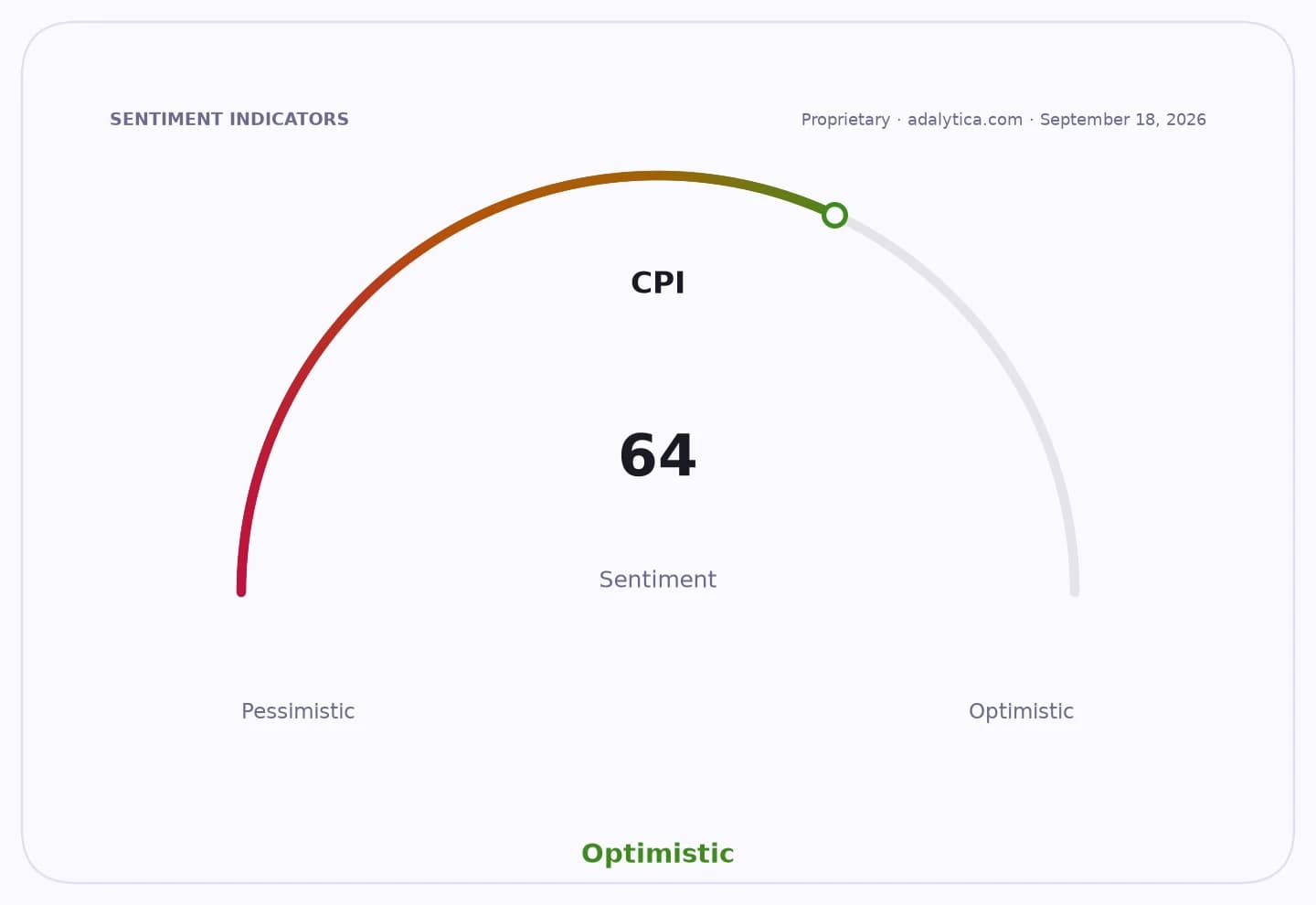
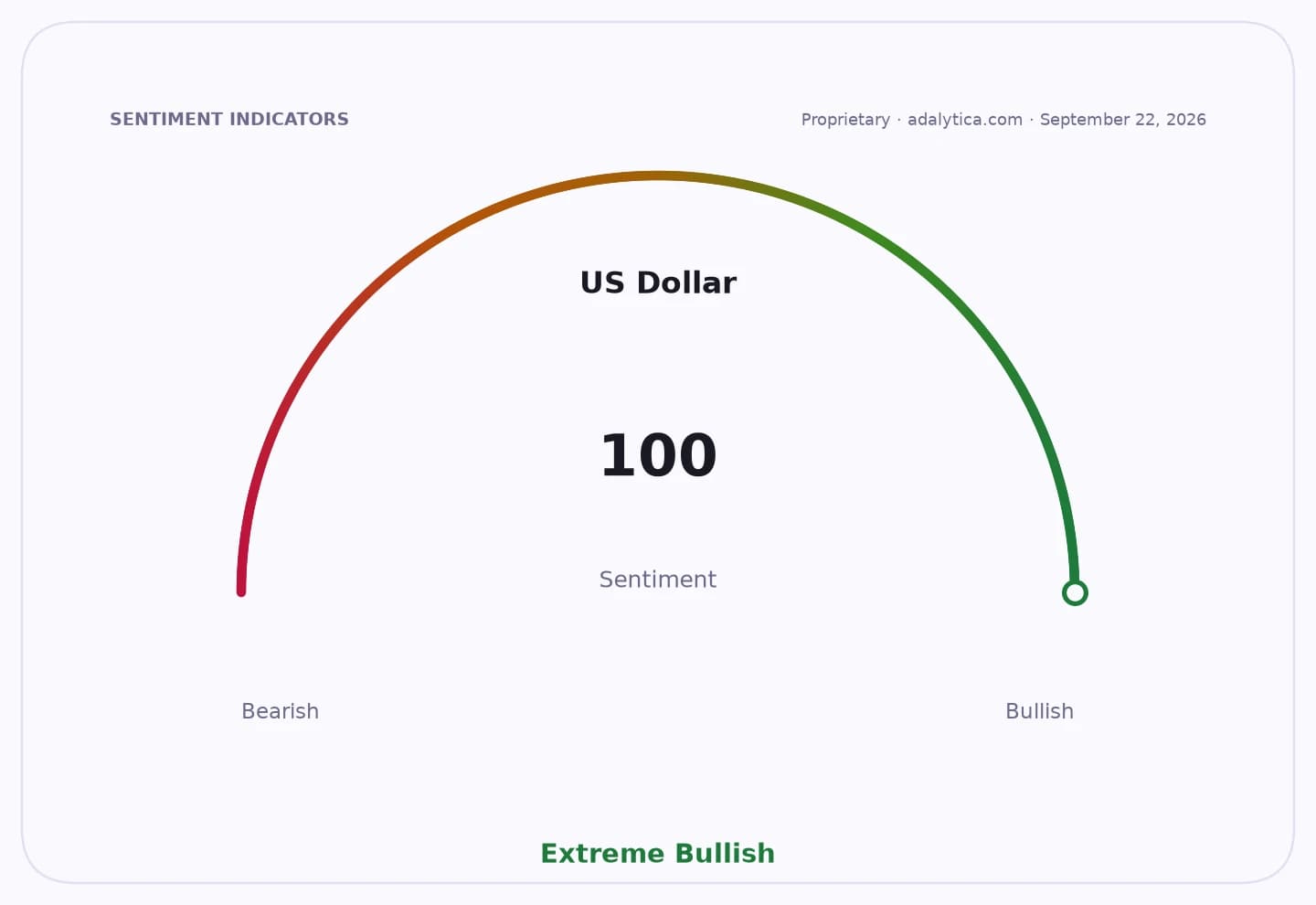
Sentiment IndicatorsⓘProprietary · adalytica.com · September 8, 2026
This is a snapshot — live sentiment, awareness and momentum for 130+ markets update continuously in the dashboard.Open AlphaPulse
That would matter economically because inflation remains the central variable in Argentina’s macro stabilization effort. A print in the lower end of private estimates would mark not just a return to disinflation after winter-related price pressures, but potentially a new monthly floor for the Milei administration, beating the 1.5% recorded in May 2025. For a country long accustomed to sticky nominal dynamics, even small sequential declines carry outsized significance for wages, consumption, tax indexing and debt expectations.
The expected slowdown is being driven mainly by food and regulated prices. Consultancies said the pace of increases in staples eased in August, with some firms reporting near-flat readings in the final week of the month and even a 0.4% weekly deflation in one tracking series. Food inflation is seen around 1.1% to 1.7%, while electricity and other public tariffs were held in check by a more gradual adjustment schedule in the second half of the year.
That combination helps explain why analysts see August as a cleaner disinflationary month than July, when seasonal recreation and hotel costs lifted the CPI to 2.1%. C&T Asesores Económicos, Eco Go, Orlando Ferreres, Analytica, Invecq and Fundación Libertad y Progreso all placed August beneath 2%, a rare consensus in a market that has been wary of declaring victory too early.
For investors, the implication is twofold. First, a softer CPI would support local-currency assets by reinforcing expectations that the central bank can keep nominal policy restrictive enough to sustain the inflation downtrend. Second, it would improve visibility on real incomes and consumer demand, which have been heavily distorted by Argentina’s rapid re-pricing cycle. A steadier inflation path also matters for public finances, because it reduces the risk of renewed indexation pressure on spending and debt service.
The government is already leaning on the data. Central bank chief Santiago Bausili has said price growth is decelerating and should come in below July and likely under June’s 1.9%. Milei has highlighted the wholesale inflation reading of 0.8% in July as evidence the consumer price trend is still breaking lower. The central bank’s own market survey showed a 1.8% August CPI, with analysts expecting monthly inflation to hover around 1.7% to 1.8% through early 2027.
The bullish case is that Argentina is moving into a more durable disinflation phase, helped by tighter monetary conditions, restrained tariff increases and cooling food prices. The bear case is that the current pace still leaves Argentina with one of the region’s highest monthly inflation rates, and any renewal in exchange-rate pressure, wage bargaining or seasonal clothing costs could stall the progress quickly.
For now, Thursday’s release is less about one month’s number than about whether the Milei government can claim a cleaner inflation regime is taking hold. A reading below 2%, and especially one near 1.5%, would strengthen that narrative and likely keep markets focused on how long the disinflation can last rather than whether it exists at all.
| Entity | Gains | Losses |
|---|---|---|
| Milei government | ▲Disinflation credibility | ▼Policy critics |
| Consumers | ▲Slower price rises | ▼Firms with pricing power |
| Bondholders | ▲Lower inflation risk | ▼Inflation-linked carry |
| Central bank | ▲Easier stabilization path | ▼Indexation pressures |