Argentina’s government is betting that salaries will finally outpace inflation in 2027, a wager that could help ease the strain on household budgets and shore up support for President Javier Milei in a pivotal election year.
Argentina budget projects wages to beat inflation in 2027
That is the core message in the 2027 budget proposal now in Congress: the economy is expected to expand, inflation is projected to keep slowing, and real wages should rise enough to lift consumption after months of pressure on purchasing power. For investors, that matters because Argentina’s recovery still rests less on politics than on whether consumers can spend again without borrowing to survive.
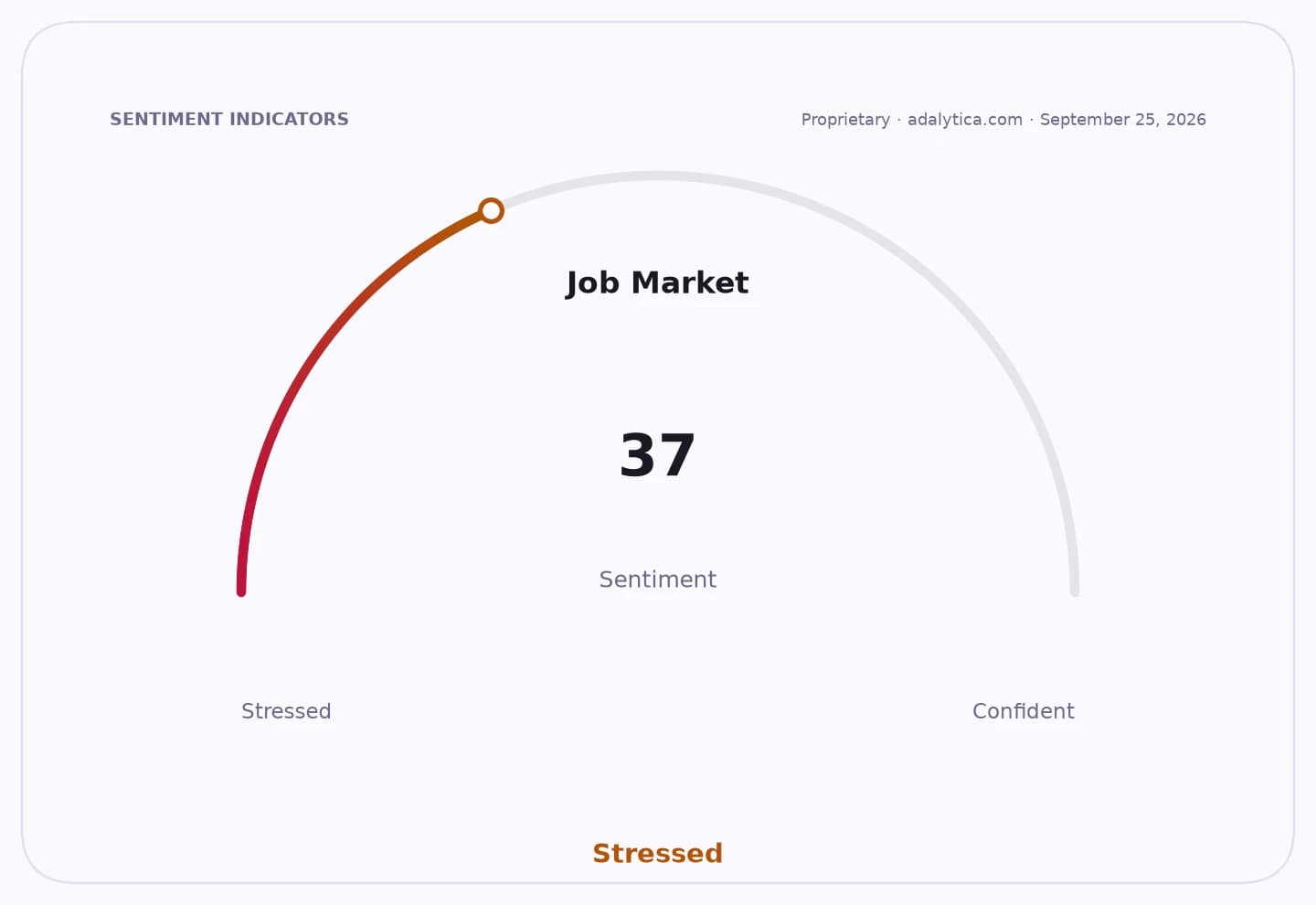
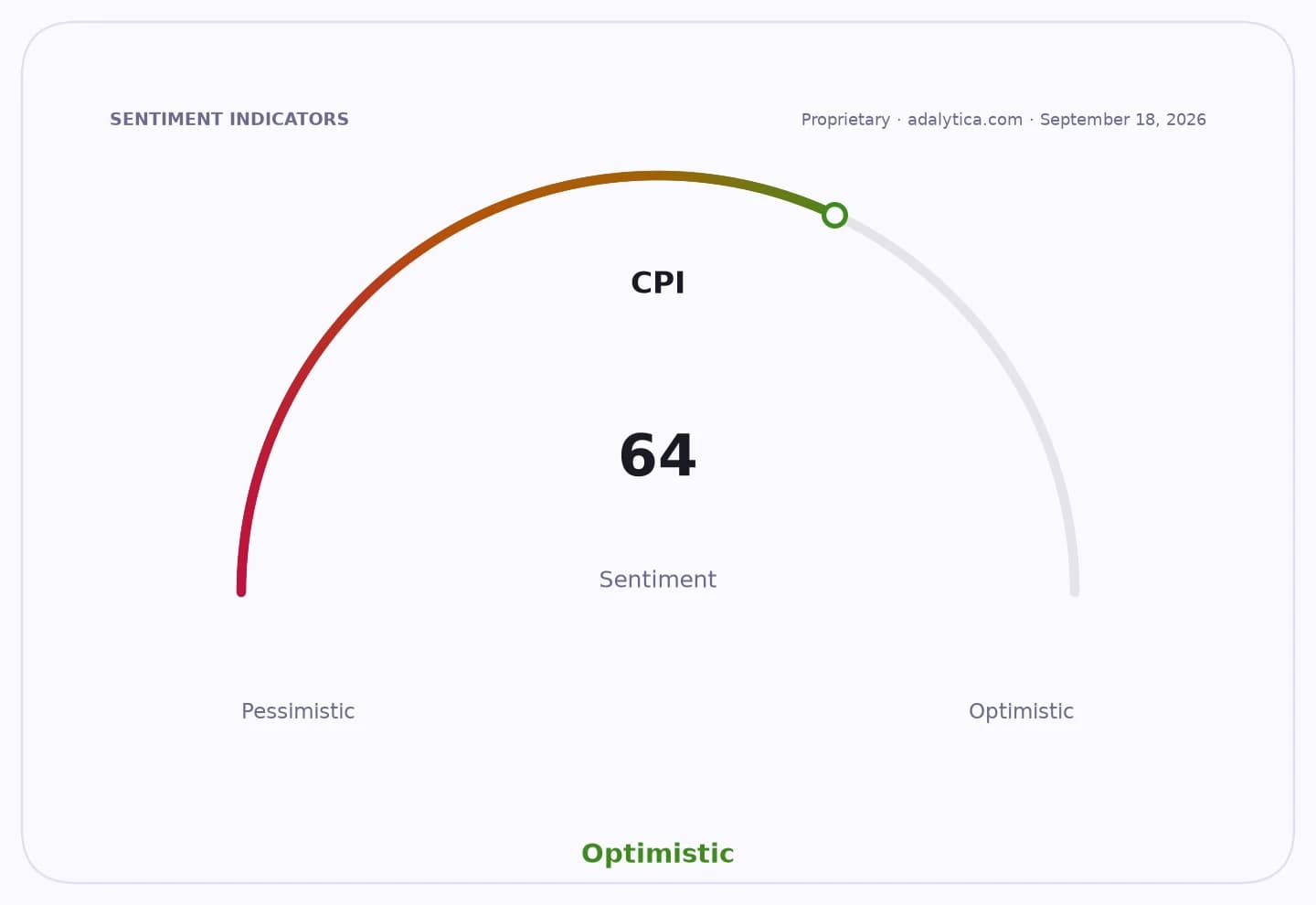
Sentiment IndicatorsⓘProprietary · adalytica.com · September 18, 2026
This is a snapshot — live sentiment, awareness and momentum for 130+ markets update continuously in the dashboard.Open AlphaPulse
The government sees average salaries rising 25.4% in 2027, above inflation of 21.1% on average and 18% year on year, implying a real gain of about 3.6%. That would mark a meaningful reversal from the first half of 2026, when private-sector formal wages rose 14.5% and public-sector pay climbed 13.7%, both trailing the 16.8% increase in consumer prices. In real terms, workers lost ground even as Milei and Finance Minister Luis Caputo insisted the adjustment path was working.
Why does this matter economically? Because wages are not just a social issue in Argentina; they are the transmission mechanism for growth. When pay fails to keep up with inflation, consumption weakens, tax revenues disappoint and the political room for orthodox policy narrows. The budget assumes the opposite dynamic in 2027: inflation continues to cool, activity grows 4%, investment jumps 9.2% and private capital, privatizations and infrastructure spending help pull the economy into a more durable recovery.
The government is also projecting private consumption growth of 3.4%, a figure that only makes sense if households begin to feel some relief in their paychecks. That is why the wage outlook is central to the broader narrative. A real recovery in purchasing power could help rebuild confidence after a long period in which workers, retirees and public employees have borne the cost of stabilization. It could also blunt one of the opposition’s sharpest criticisms: that the adjustment has come at the expense of living standards.
For investors, the implications are straightforward. If wages rise faster than prices, retail sales, banks, consumer lenders and domestically focused companies should benefit from firmer demand. A steadier consumer would also improve the outlook for tax collection and reduce the risk that the government has to lean even harder on spending cuts to defend the fiscal anchor. That matters in Argentina, where policy credibility and growth are always intertwined.
Still, the budget is a projection, not a promise. Milei’s administration is openly acknowledging the risks that could force it into even stricter policy if the numbers disappoint. Argentina has a long history of official forecasts proving too optimistic, and the political calendar can easily tempt governments into prioritizing short-term relief over macro discipline.
For long-term investors, the key takeaway is that Argentina’s recovery thesis now depends on a delicate balance: lower inflation, stronger investment and a visible improvement in wages. If that balance holds, 2027 could be the year households finally regain some purchasing power. If it breaks, the government’s election-year optimism will look more like wishful thinking than a turn in the cycle.
| Entity | Gains | Losses |
|---|---|---|
| Argentine workers | ▲Higher real wages | ▼Inflation erosion |
| Milei government | ▲Better consumer mood | ▼Political backlash |
| Domestic retailers and banks | ▲Stronger spending | ▼Weak household demand |
| Opposition parties | ▲Fewer immediate grievances | ▼A softer protest message |