Wheat, corn and soybean futures were all marked lower in Chicago on Thursday, a reminder that even in a market built on weather and geopolitics, supply still wins in the end.
Chicago wheat corn soybeans fall on Thursday
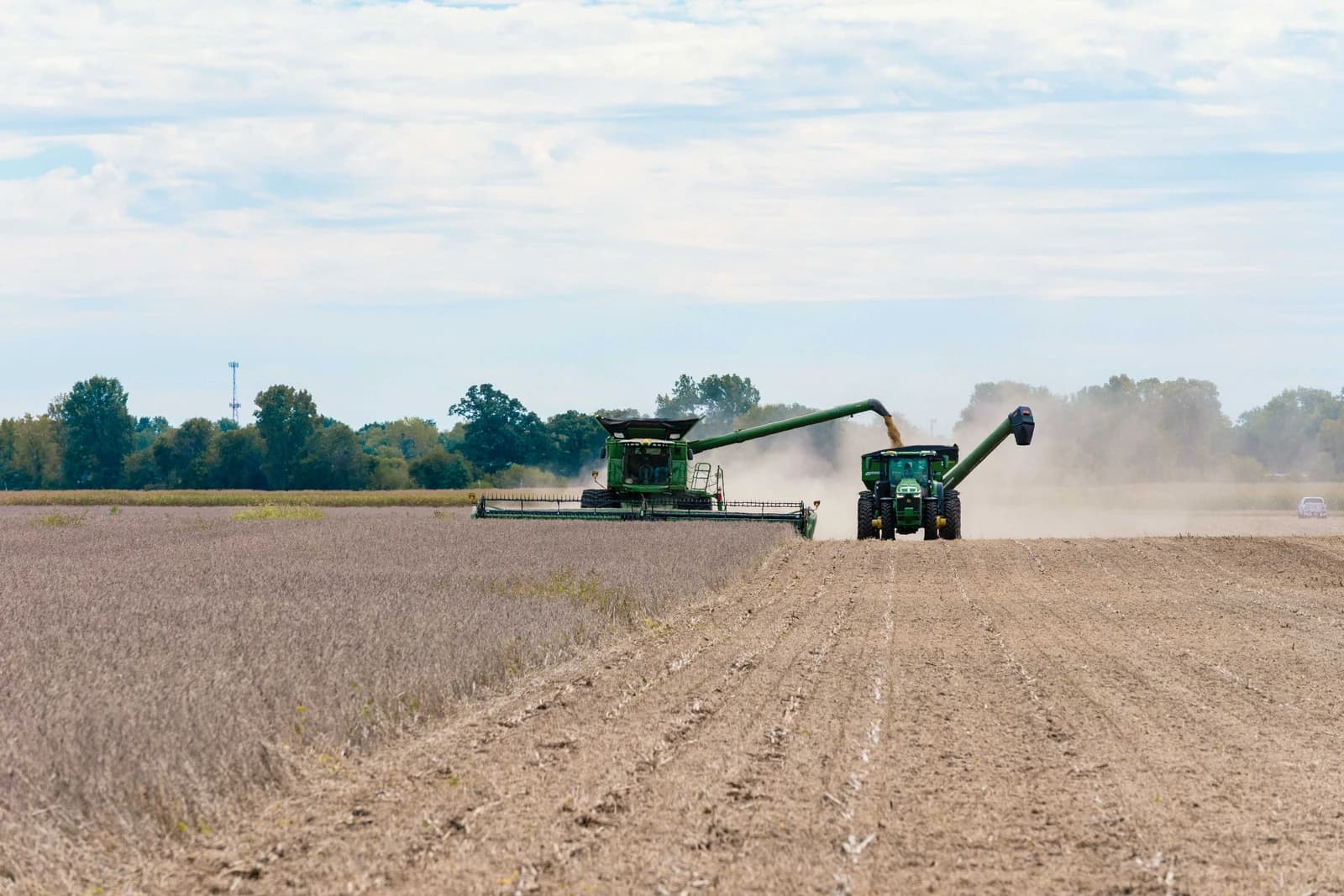
CBOT wheat was down 1 to 3 cents, corn slipped 3 to 4 cents and soybeans lost 1 to 3 cents. That kind of broad-based weakness matters because grains are not just a trading story — they are a pricing signal for food makers, livestock producers, exporters and farmers. When all three move lower together, it usually points to a market that sees adequate near-term supply and less urgency to pay up for coverage.
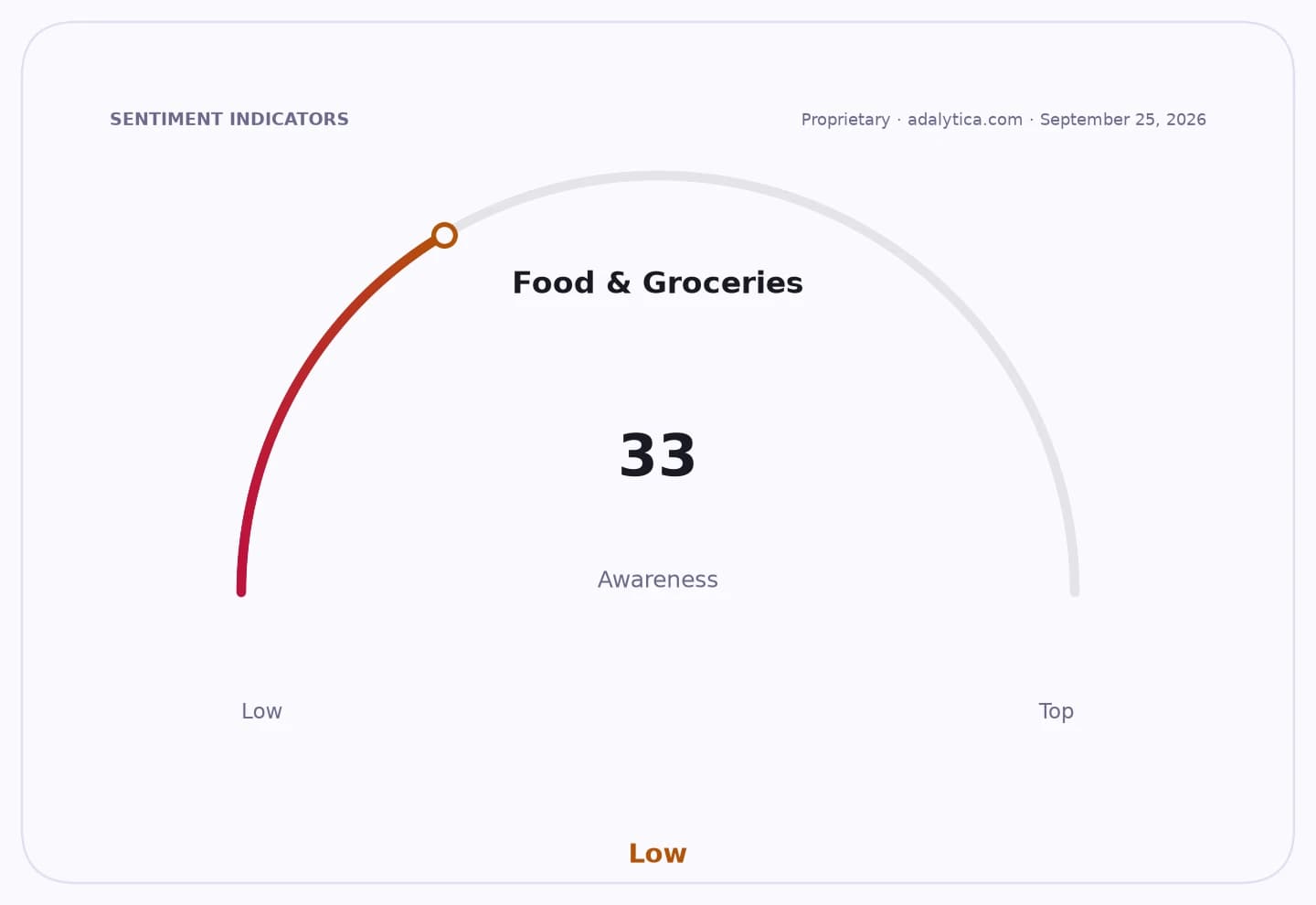
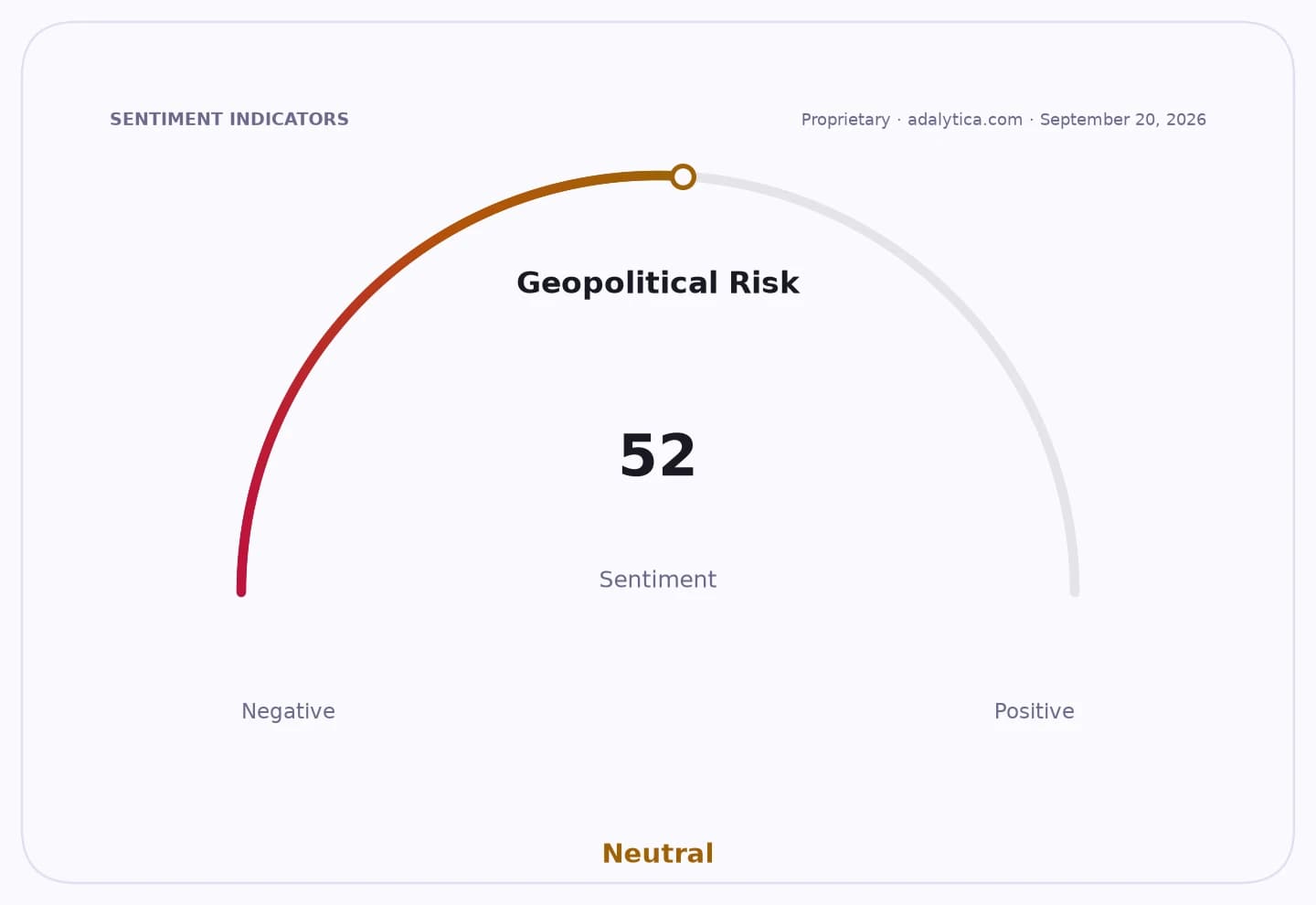
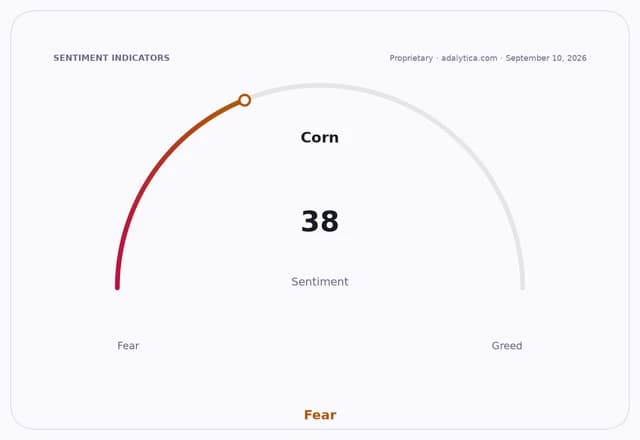
Sentiment IndicatorsⓘProprietary · adalytica.com · September 10, 2026
This is a snapshot — live sentiment, awareness and momentum for 130+ markets update continuously in the dashboard.Open AlphaPulse
For investors, the takeaway is straightforward. Softer grain prices can ease input costs for food companies, animal feed users and processors, but they also squeeze farm incomes and can weigh on agriculture-linked funds and exporters. The Teucrium grain ETFs have reflected that push and pull, with the wheat fund extending a volatile run after a sharp summer rally and corn and soybean products still trading near levels that leave them sensitive to any fresh shift in crop estimates, weather or demand.
The longer-term narrative remains one of abundant supply meeting uneven demand. Recent reports of a strong grain harvest and higher deliveries to receiving enterprises fit that backdrop, even as governments continue to juggle farmer support and import policy. In that setting, grain prices can swing quickly, but the underlying message for long-term investors is more durable: agricultural markets remain cyclical, and periods of weakness often follow periods of scarcity.
For now, the market is saying grain supply is heavy enough to keep bids cautious. That could persist unless weather turns adverse, export demand improves or policy changes tighten the balance sheet. Investors with exposure to farm equipment, grain handlers or commodity funds should keep an eye on how long this softer pricing environment lasts — and whether it creates a better entry point for patient, diversified capital.
| Entity | Gains | Losses |
|---|---|---|
| Food makers | ▲Lower input costs | ▼Less pricing power on inventories |
| Livestock producers | ▲Cheaper feed | ▼— |
| Farmers | ▲— | ▼Softer crop revenue |
| Grain buyers/importers | ▲Better coverage prices | ▼Exporters and commodity bulls |