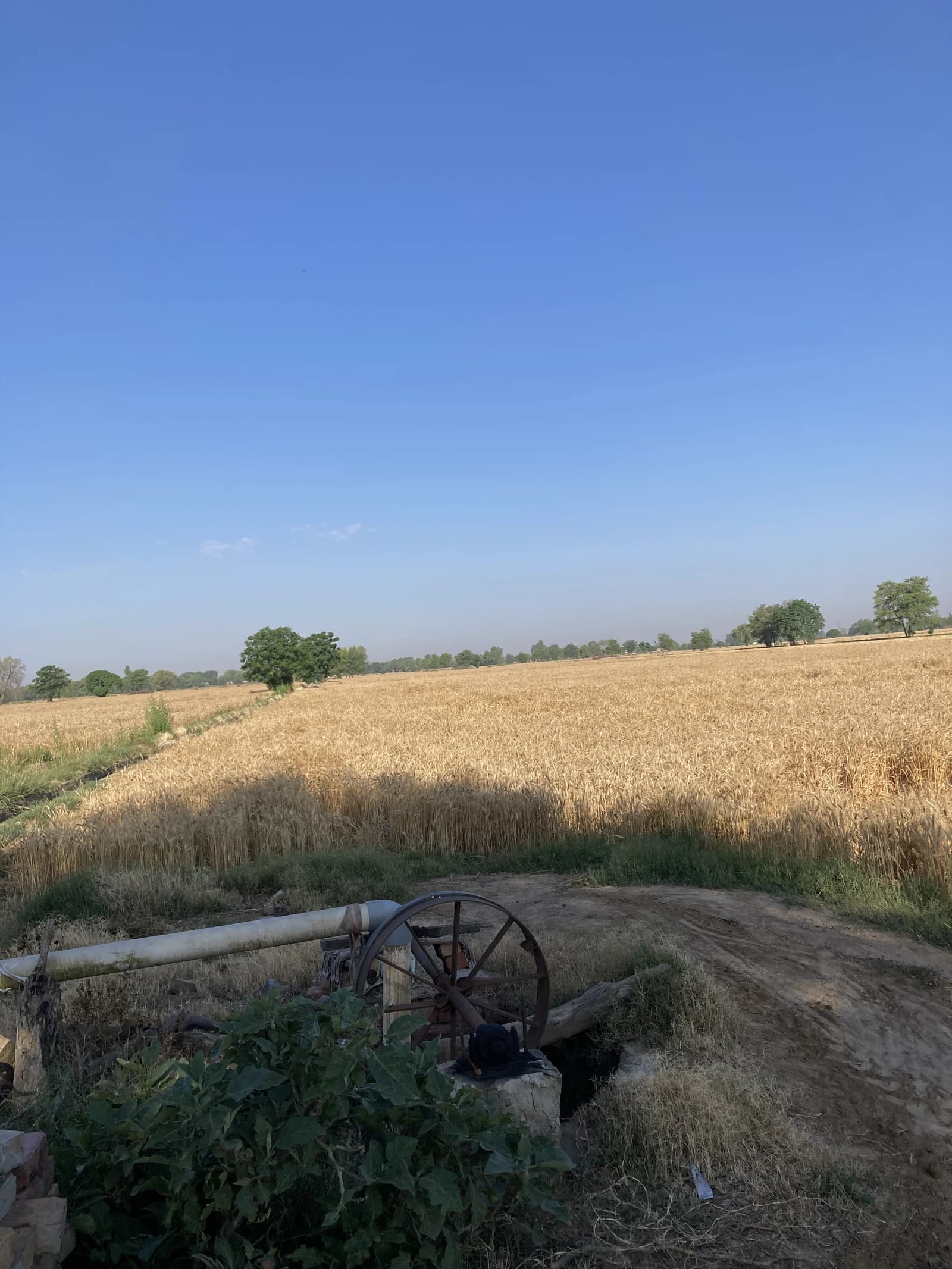
Wheat prices in Ukraine are holding firm as investors weigh tighter winter planting, weaker exports and continued Black Sea supply risk, keeping one of the world’s key grain origins under pressure.
Ukraine Wheat Prices Firm on Supply Risks
The most important development is not just the current price, but the direction of the market: Ukraine’s wheat balance is being squeezed by production and export concerns at a time when global buyers are still active. That matters because Ukraine remains a major supplier into Europe, the Middle East and North Africa, and any disruption there can quickly ripple through international benchmarks and food costs.
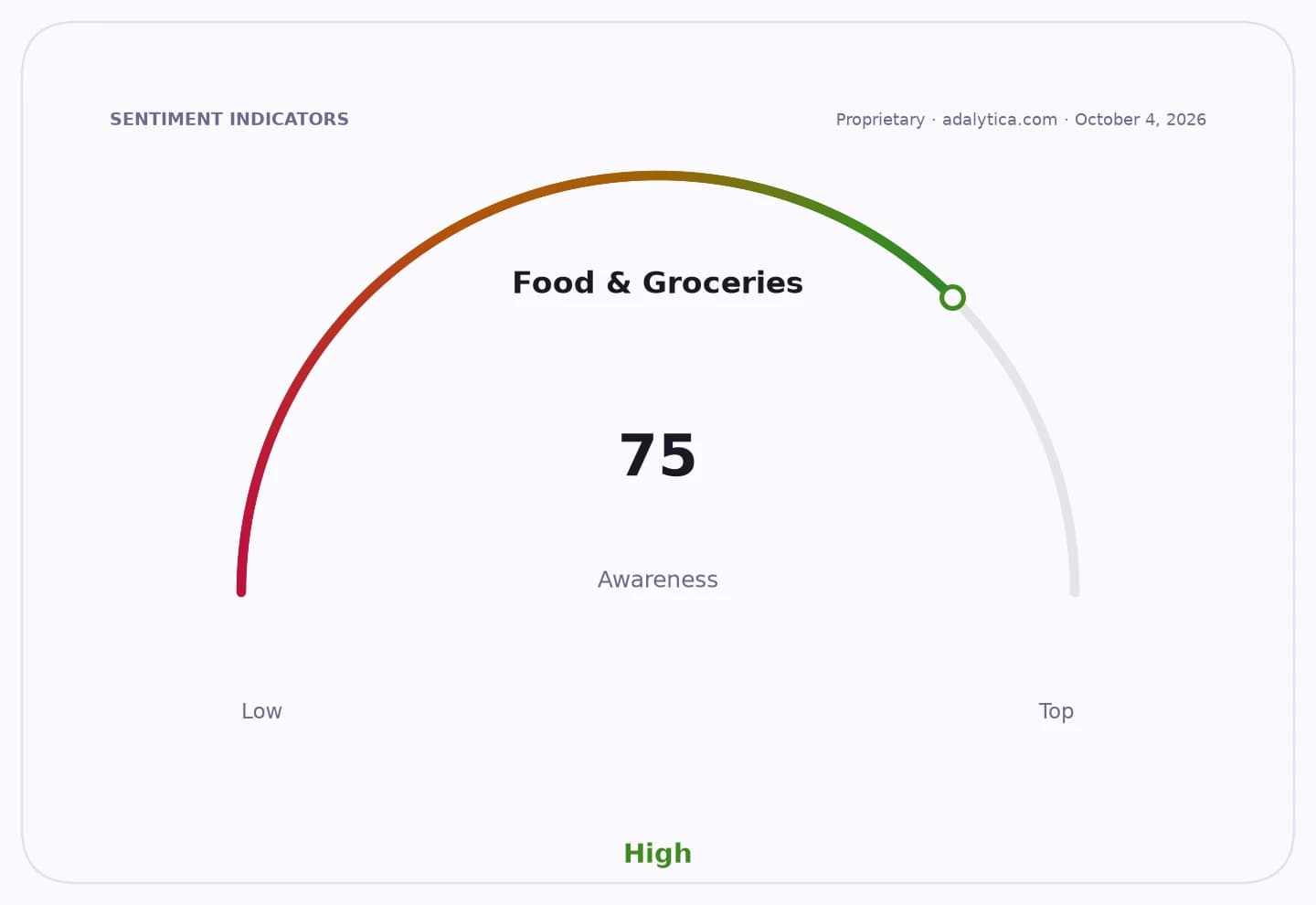
Sentiment IndicatorsⓘProprietary · adalytica.com · October 4, 2026
This is a snapshot — live sentiment, awareness and momentum for 130+ markets update continuously in the dashboard.Open AlphaPulse
A tighter outlook for Ukraine comes alongside a more constructive export backdrop for European wheat, with Saudi procurement tenders and steady corn prices lending support to grain markets more broadly. But the Ukrainian piece of the story is more about supply risk than demand strength, and that keeps a floor under prices even when futures markets cool elsewhere.
For investors, the read-through is clear. Higher grain prices can support agricultural ETFs and grain exporters, while squeezing livestock, food manufacturers and import-dependent economies. The move also keeps inflation watchers focused on staples, especially when food and grocery sentiment is already elevated and CPI risk remains a live macro theme.
Technically, grain ETFs tied to the theme have been mixed. WEAT has fallen back to $24.75 from a recent high of $26.96, while staying above its 200-day moving average around $23.18; RSI at 30.3 suggests the fund is nearing oversold territory after a sharp retreat. DBA is holding near $28.21, just above its 200-day moving average at $27.12, indicating broader agriculture exposure remains firmer than wheat alone.
The next catalysts are straightforward: Black Sea shipping conditions, Ukraine planting estimates, export tender activity and any fresh disruption to regional supply chains. If winter wheat acreage slips further or exports weaken again, wheat prices could stay supported into the next buying cycle.
| Entity | Gains | Losses |
|---|---|---|
| Wheat producers | ▲Higher selling prices | ▼ |
| Ukraine exporters | ▲Tight supply premium | ▼ |
| Food buyers/importers | ▲ | ▼Higher input costs |
| Agriculture ETFs | ▲Inflation hedge appeal | ▼Short-term volatility |