Romania and Poland are signaling they will not absorb any more of Ukraine’s grain flow, a hardening of Europe’s eastern agricultural front that matters because it risks keeping millions of tons of exports stranded, worsening pressure on food prices, logistics and EU unity.
Romania and Poland Resist More Ukraine Grain Transit
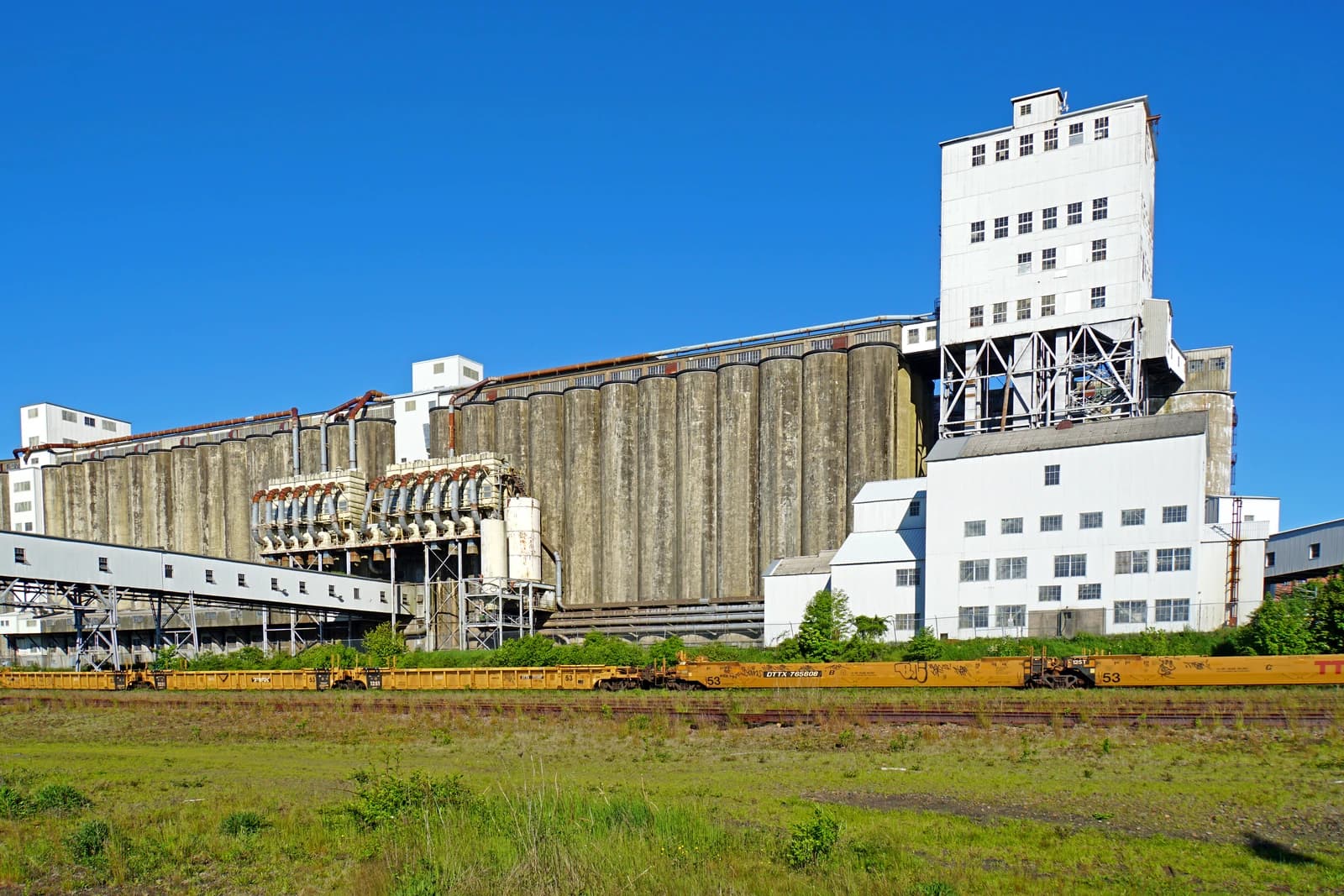
The immediate economic problem is capacity. Ukraine says it needs 1.1 billion euros to cover the higher cost of moving crops through Europe, while as much as 35 million tons could remain stuck this year if the blockade persists. That is not just a Ukrainian revenue issue; it is a supply-chain choke point for the Black Sea and Danube corridor, where disrupted routes, attacks on ports and low water on the Danube are already squeezing throughput.
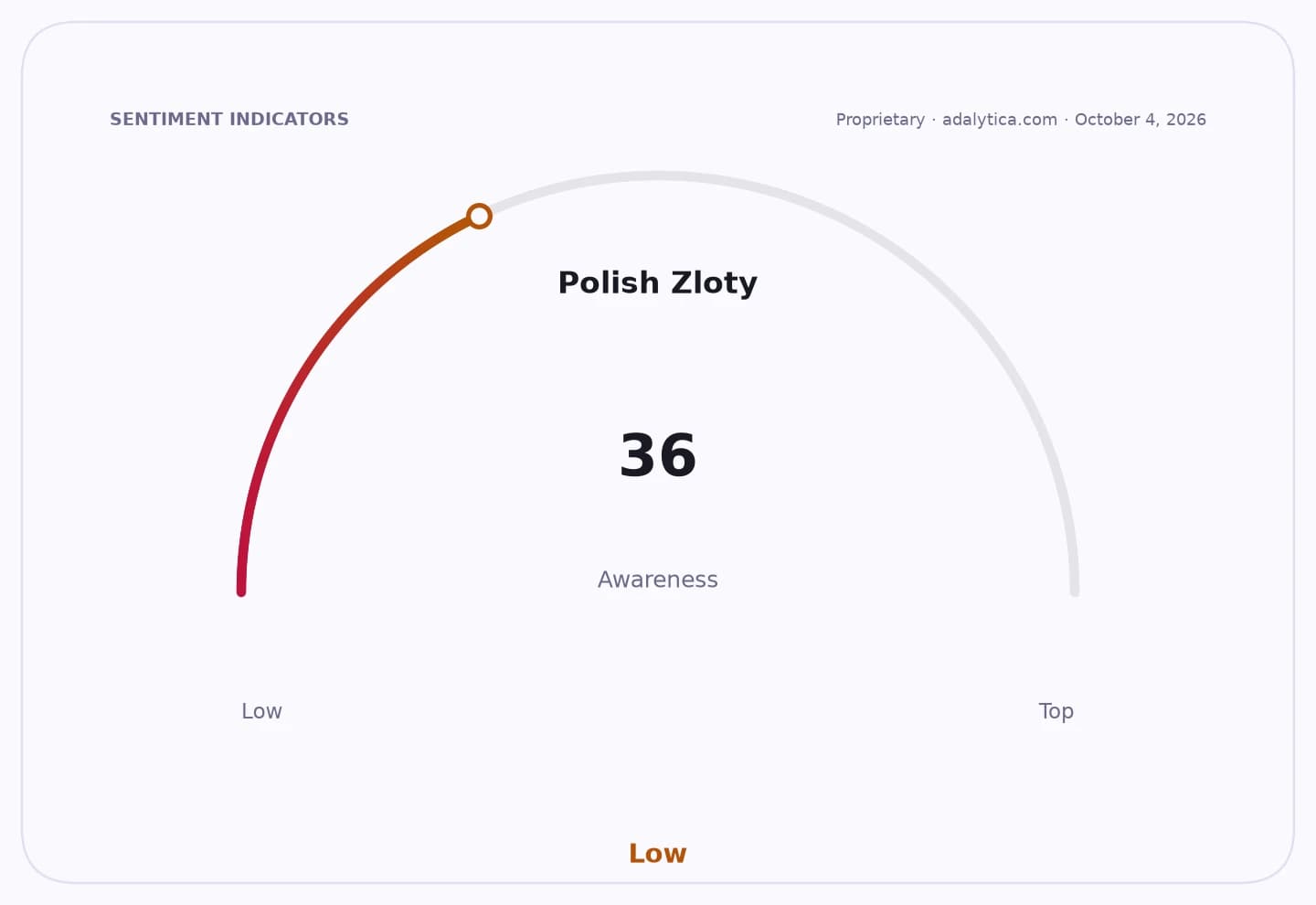
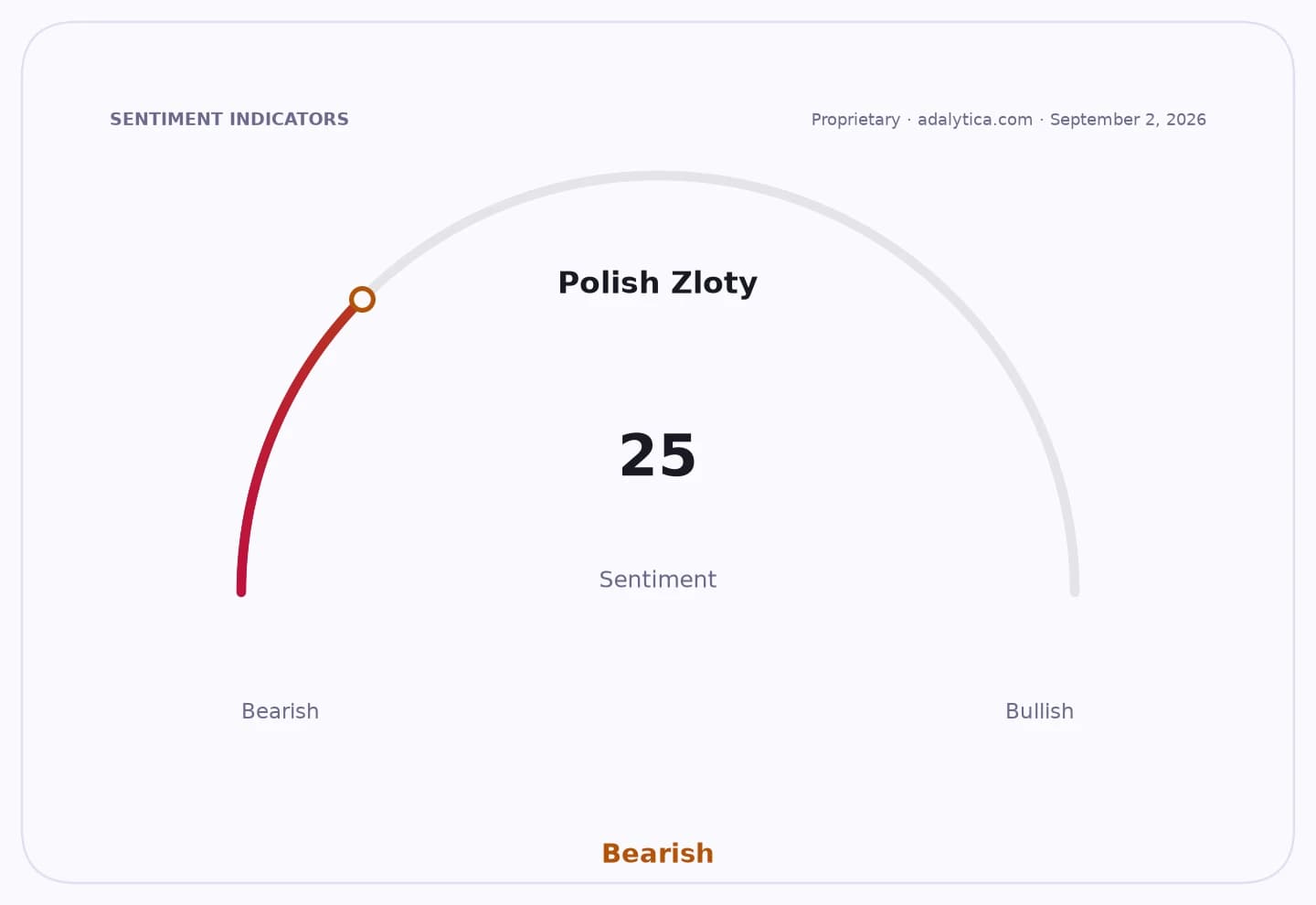
Sentiment IndicatorsⓘProprietary · adalytica.com · October 4, 2026
This is a snapshot — live sentiment, awareness and momentum for 130+ markets update continuously in the dashboard.Open AlphaPulse
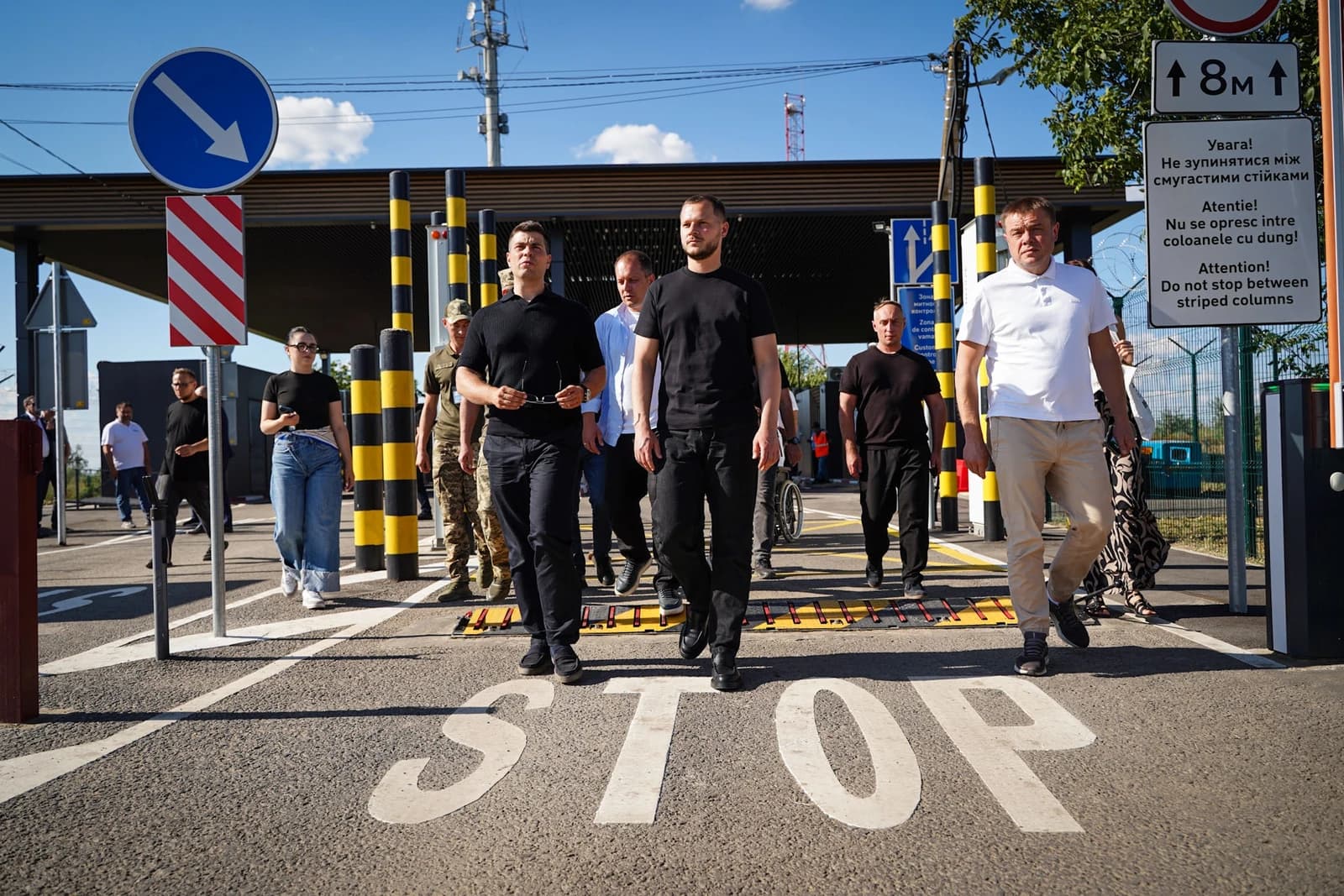
For Romania, the issue is now as much domestic as geopolitical. Agriculture Minister Tanczos Barna said the country’s farmers must stay the priority, noting that excess Ukrainian grain and shallow river levels are already overwhelming Romanian ports and preventing local producers from selling their own crop. Poland is taking the same line, with its infrastructure ministry saying it does not intend to change policy to increase transit of Ukrainian agricultural products.
That stance matters for investors because it raises the odds of a longer, more fragmented export regime across Eastern Europe. The market is likely to see continued support for rail, port, storage and inland shipping bottlenecks, while Ukrainian growers remain under pressure from financing costs and delayed planting. Any further escalation in transport restrictions could also ripple into European grain pricing, farm margins and logistics assets tied to the Danube and Baltic corridors.
There is a second-order trade angle as well. If Ukraine cannot move product efficiently, it loses hard currency and farmers struggle to fund the next season, which deepens the supply shock already caused by Russian attacks. That is why the European Commission is still under pressure to broker a collective response, even if frontline states are now openly resisting more burden-sharing.
Our view is that this is a classic infrastructure-and-capacity story disguised as a political dispute. The winners are the operators that control scarce transport nodes and storage; the losers are Ukrainian farmers, and potentially European buyers if grain market volatility returns. The bigger lesson is that in wartime, logistics is policy — and the market underestimates how quickly a transport bottleneck can become a pricing catalyst.
| Entity | Gains | Losses |
|---|---|---|
| Romanian and Polish farmers | ▲Less import pressure | ▼Narrower transit rules |
| Ukraine grain exporters | ▲Limited relief from EU talks | ▼Stuck exports, cash strain |
| Port and rail bottlenecks | ▲Higher strategic value | ▼Overloaded systems |
| EU consumers/buyers | ▲Potential policy coordination | ▼More grain price volatility |