Ukraine’s bid to move more grain through Europe is running into a hard wall in Poland and Romania, worsening the risk that Russia’s Black Sea blockade will choke off exports, depress farm income and tighten global food markets.
Ukraine grain exports hit Poland, Romania transit limits
That pushback matters because Ukraine says it cannot shift enough agricultural output by rail, road and river to prevent tens of millions of tonnes of grain from piling up at home. Taras Vysocki, Ukraine’s agriculture minister, told counterparts in Brussels that Kyiv needs more transport capacity and more than 1 billion euros to cover the higher cost of shipping around the blockade.
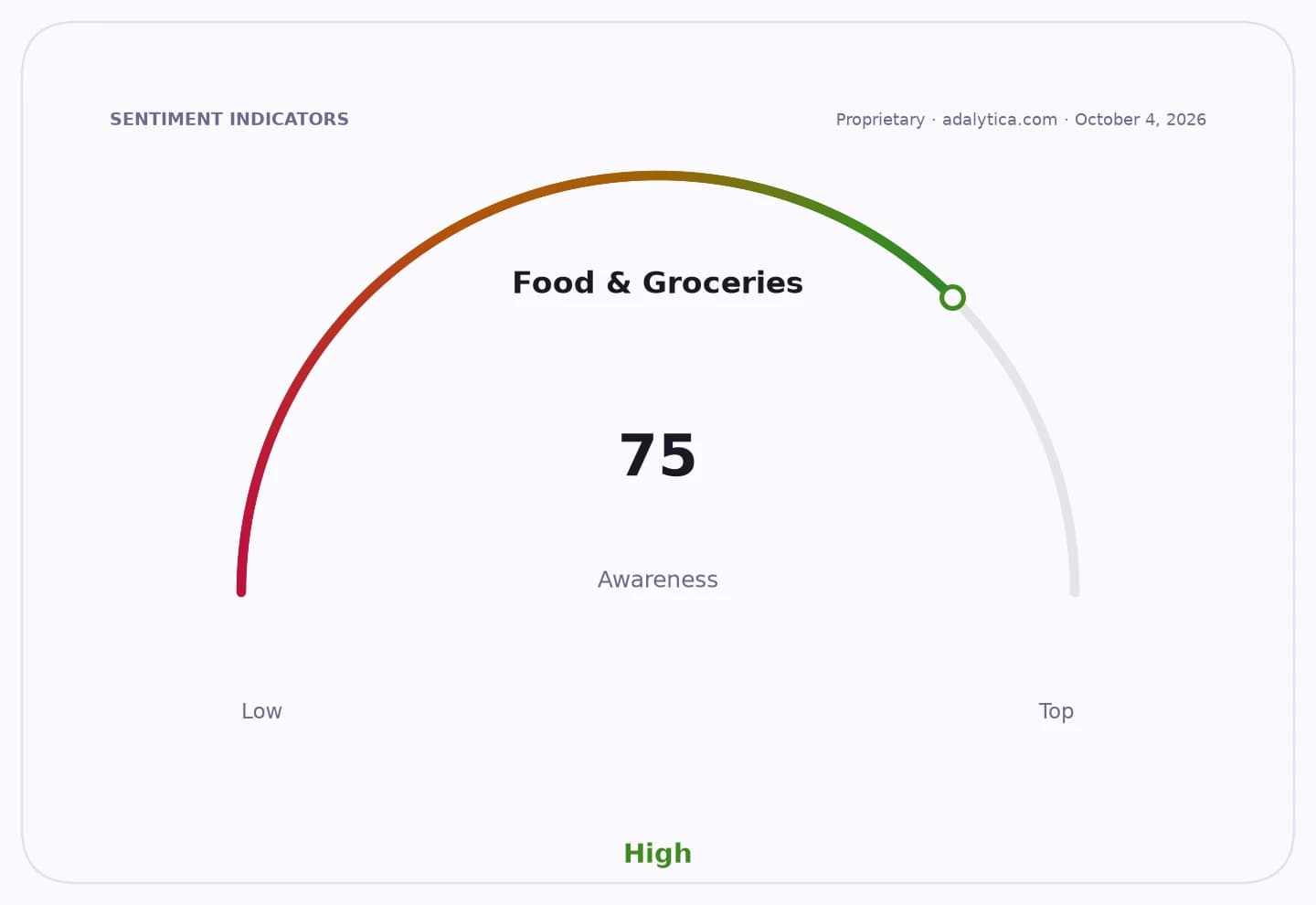
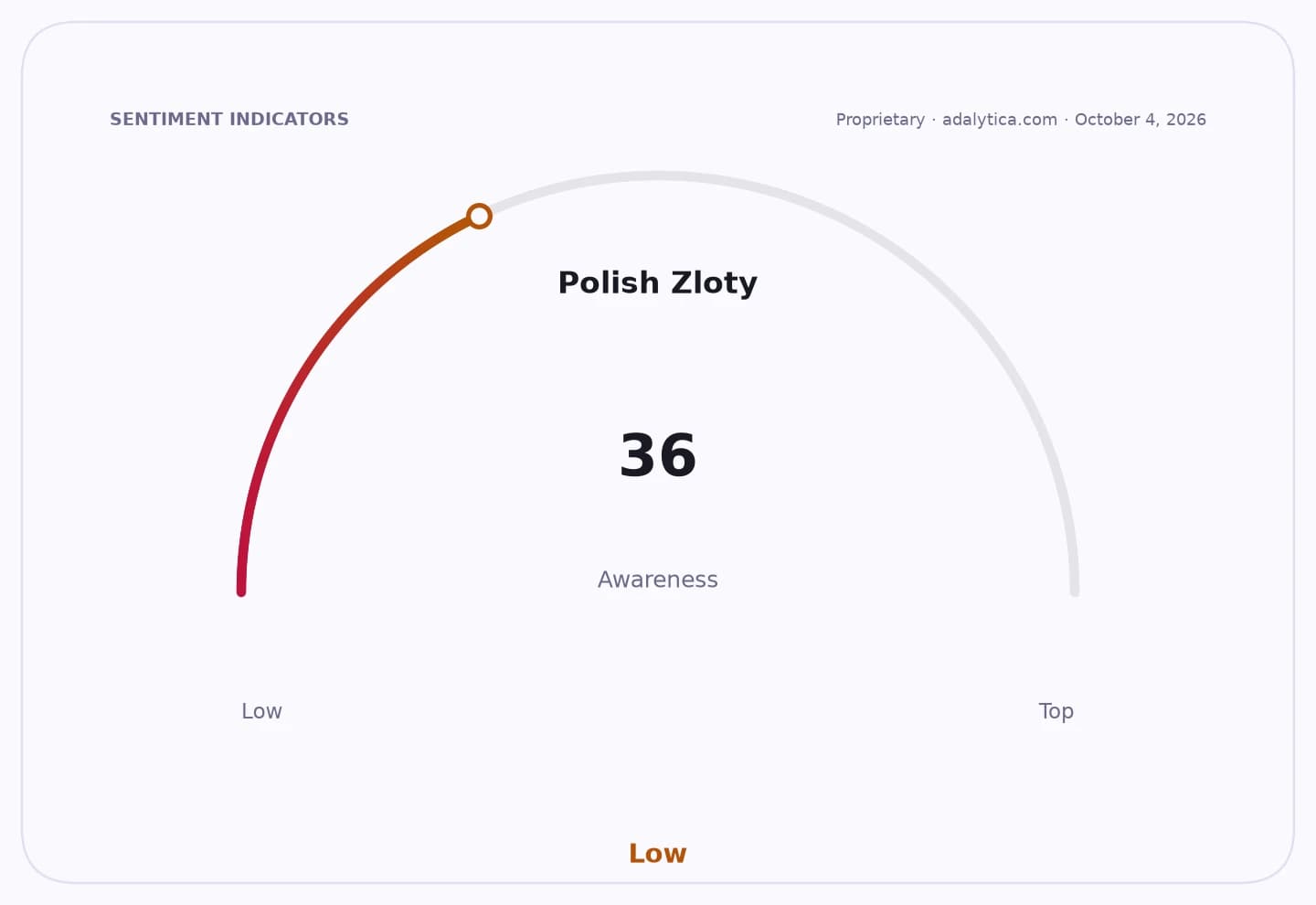
Sentiment IndicatorsⓘProprietary · adalytica.com · October 4, 2026
This is a snapshot — live sentiment, awareness and momentum for 130+ markets update continuously in the dashboard.Open AlphaPulse
Without that help, Ukraine says up to 35 million tonnes of grain could be stranded, while planted area for next year could fall 35% to 40% if farmers cannot sell this year’s crop and finance new sowing. The consequences would extend well beyond Ukraine: a report cited by Politico said the Black Sea disruption could cut as much as 17% from global grain trade, with food insecurity rising across import-dependent countries.
Poland and Romania, both key transit routes for Ukrainian farm exports, are prioritizing domestic producers instead. Romanian Deputy Prime Minister and Agriculture Minister Barna Tanczos said the country cannot simply double train volumes, road capacity, rail throughput and port handling to absorb more Ukrainian cargoes. A Polish infrastructure ministry spokeswoman said no changes are planned to increase transit of Ukrainian agricultural goods.
For investors, the standoff is another reminder that the war’s commodity shock is far from over. It supports volatility in grain-linked prices, keeps food inflation risks alive in Europe and emerging markets, and complicates the outlook for logistics operators, rail carriers and port infrastructure across the region.
The European Commission has signaled it is considering a response, but so far there are no concrete measures. If the Black Sea squeeze persists into spring, the pressure on Ukrainian planting, global grain availability and politically sensitive food prices is likely to intensify.
| Entity | Gains | Losses |
|---|---|---|
| Ukrainian farmers | ▲Need aid for exports | ▼Stranded grain, weaker planting |
| Poland and Romania | ▲Protect domestic producers | ▼Transit revenue, political pressure |
| Global grain buyers | ▲None immediately | ▼Higher supply risk, price volatility |
| EU policymakers | ▲Leverage for a common response | ▼Credibility if no concrete action |