Romanian farmers are getting a little more for wheat this autumn, but not enough to offset higher fuel, input and logistics costs, while corn prices are falling below last year’s levels and squeezing farm cash flow.
Romanian Wheat Prices Rise as Corn Falls
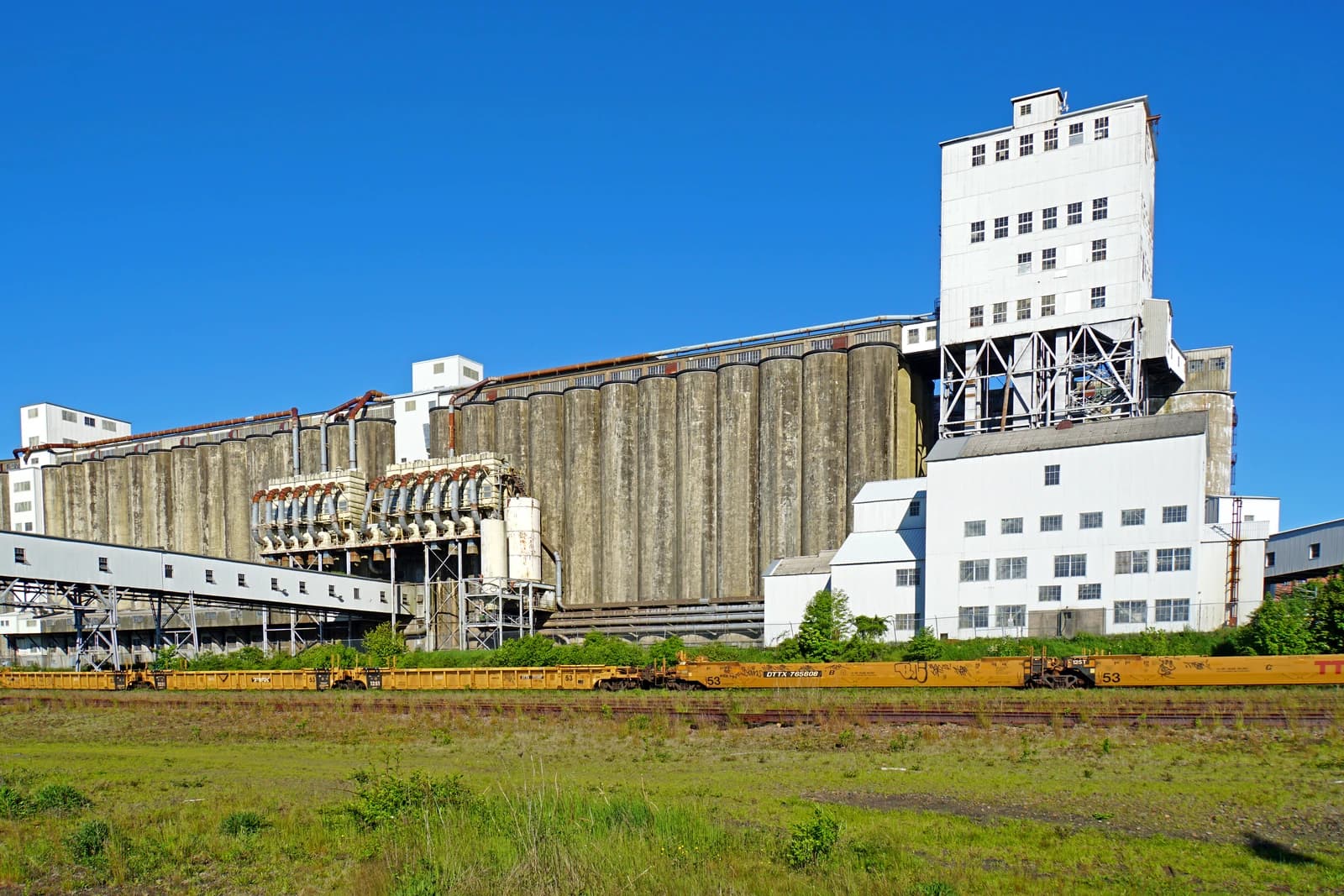
The split matters because grain production remains a key source of rural income and export earnings in southeastern Europe, and weak margins can slow planting, cut investment and force more farmers to hold back grain rather than sell into a soft market. For investors in agribusiness, fertilisers, farm equipment and grain logistics, the picture points to a sector that is producing volume but struggling to monetize it.
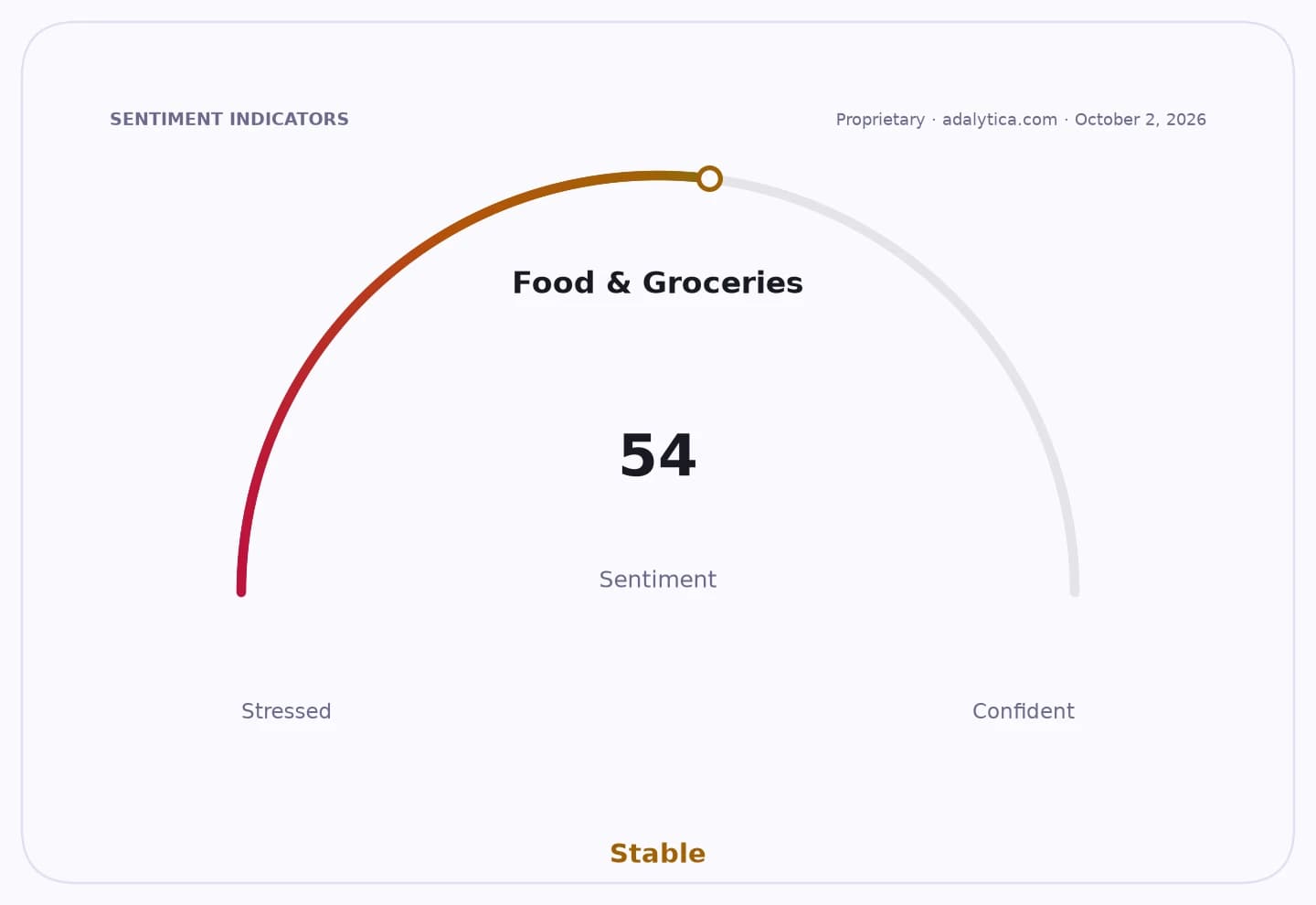
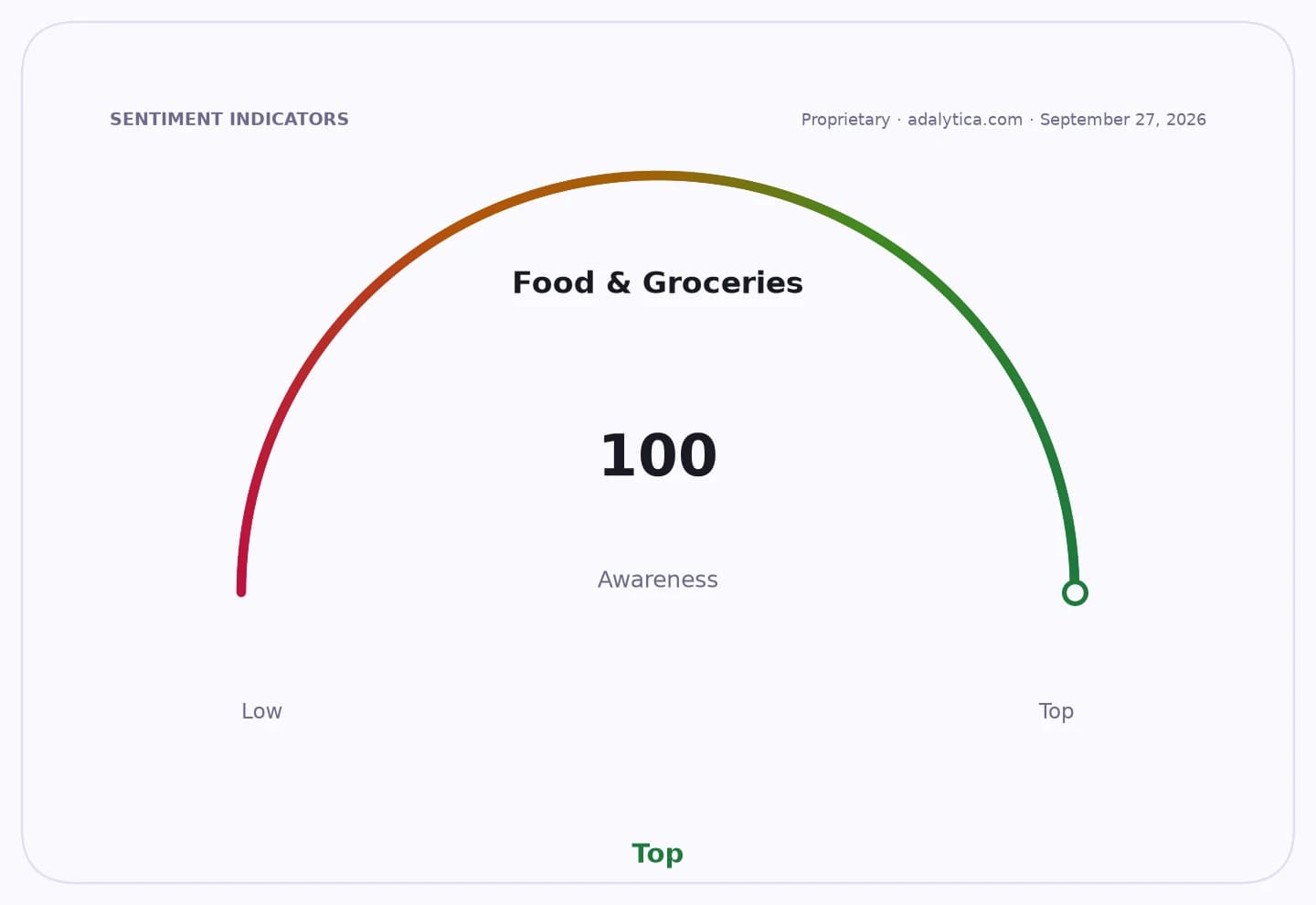
Sentiment IndicatorsⓘProprietary · adalytica.com · October 1, 2026
This is a snapshot — live sentiment, awareness and momentum for 130+ markets update continuously in the dashboard.Open AlphaPulse
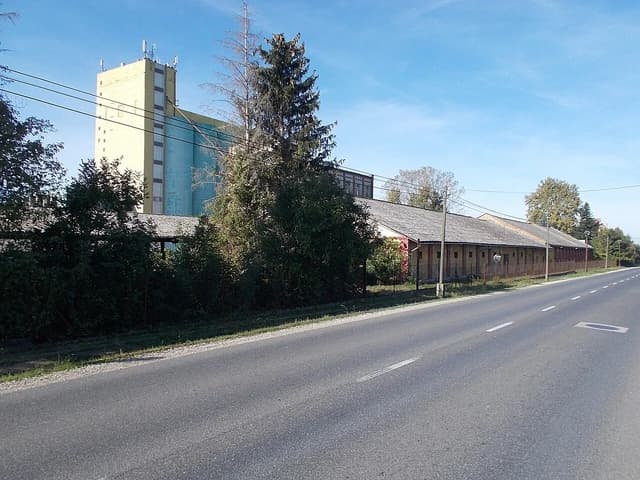
European Commission data for the week of Sept. 7-13 show Romanian milling wheat delivered to silo and loaded into transport, or DEPSILO, averaged 186.13 euros a ton in Banat, 186.70 euros in Oltenia and 200.28 euros in Muntenia, up 0.9%, 8.6% and 17.3% respectively from a year earlier. At Constanta, FOB wheat reached 228.64 euros a ton, around 13% above last year, though prices had briefly slipped to about 207 euros in early August.
Even so, Romania remains among the cheapest wheat markets in Europe, with prices still below many regional benchmarks. That keeps local growers at a disadvantage when input costs have moved the other way and export bottlenecks make it harder to capture better prices farther from the farm gate.
Corn is under even more pressure. DEPSILO corn in the same period was quoted at about 194.9 euros a ton in Banat versus 210 euros a year earlier, 187.3 euros in Muntenia versus 194 euros, and 178.5 euros in Oltenia versus 204.3 euros. Romania is still trading near the lower end of the regional corn market, leaving producers with little pricing power as they prepare for the next planting campaign.
Farm groups say the real problem is liquidity, not just price. The Forum APPR says crops are in the barns but not moving quickly enough to generate cash, while diesel is around 11 lei a liter and other production costs keep climbing.
Logistics are making matters worse. Farmers cite shortages of locomotive crews, heavy cargo flows tied to Ukraine, and low water on the Danube as constraints that tighten capacity at Constanta and elsewhere, forcing Romanian growers to compete with neighboring exporters for the same transport and storage slots.
The market backdrop is broader than Romania. Global grain prices remain soft as Black Sea export talks, bumper harvest expectations and government support measures in Russia weigh on sentiment, keeping wheat and corn under pressure. For Romanian farmers, the next test is whether export flows improve enough to turn this year’s harvest into cash before the 2026-27 season starts draining working capital again.
| Entity | Gains | Losses |
|---|---|---|
| Romanian wheat farmers | ▲Higher selling prices | ▼Still-low margins |
| Romanian corn farmers | ▲Higher output volume | ▼Lower year-on-year prices |
| Grain traders and exporters | ▲More supply to move | ▼Logistics bottlenecks |
| Constanta port/logistics operators | ▲Higher cargo volumes | ▼Congestion and capacity strain |