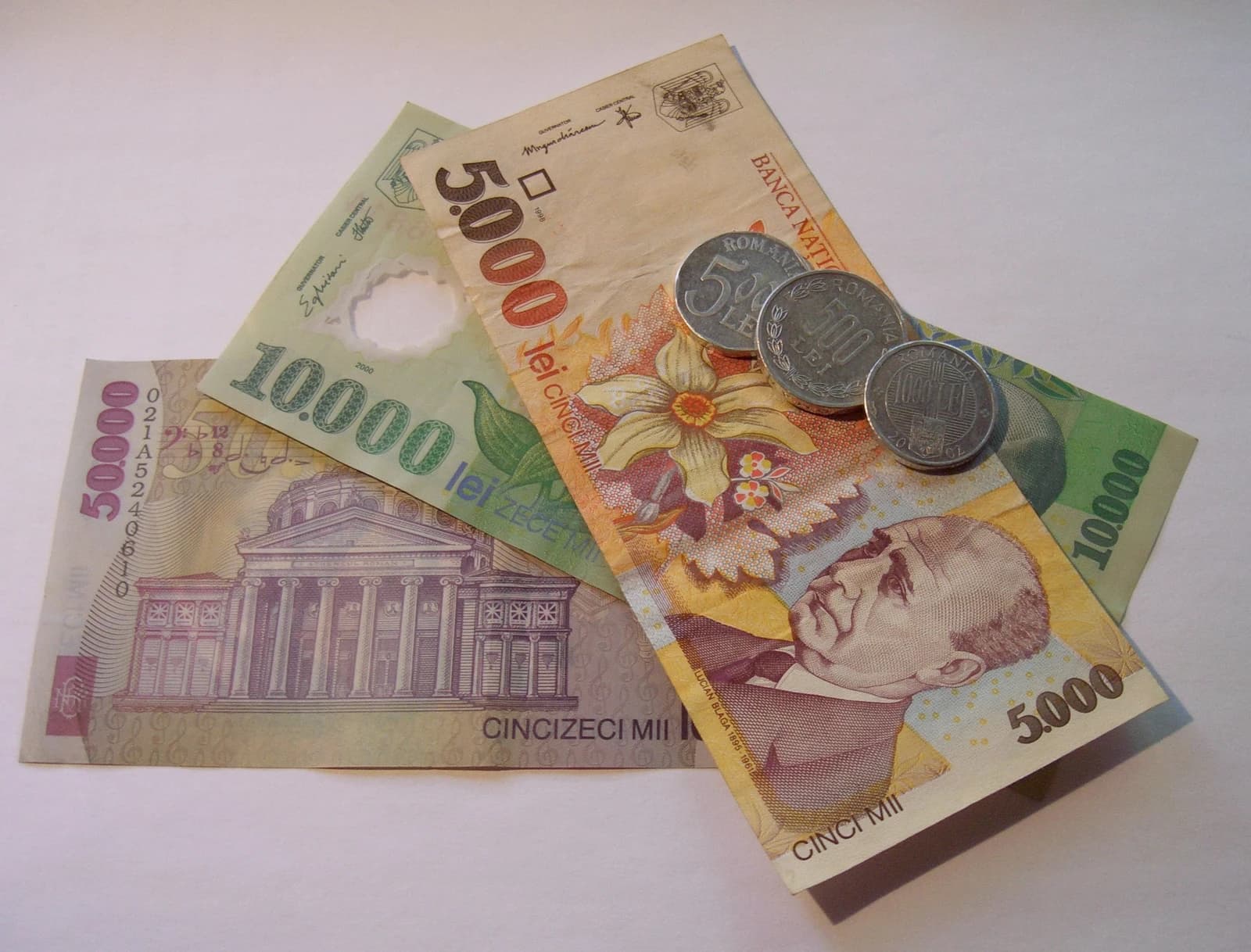
Romania is moving to cushion one of its most exposed farm sectors after the 2025 soil drought damaged corn and sunflower crops, offering emergency aid of as much as 333 lei a hectare, or about 63 euros, to eligible growers. The payment is small relative to production costs, but it matters because it helps keep heavily hit farms liquid and signals that drought losses are now being formalized into public support rather than left to balance sheets and insurers.
Romania drought aid for corn and sunflower farmers
The scheme, set out in Government Decision No. 751 and administered by APIA, targets fields with documented damage of at least 30% and up to 100% during the June-August 2025 drought period. The grant is proportional to the assessed loss, with the full 333 lei a hectare reserved for crops wiped out by more than 90%. For damage between 30% and 90%, the payment is scaled to the percentage recorded in the damage report.
Sentiment IndicatorsⓘProprietary · adalytica.com · September 30, 2026
This is a snapshot — live sentiment, awareness and momentum for 130+ markets update continuously in the dashboard.Open AlphaPulse
That structure matters economically because corn and sunflower are central crops in Romania’s grain complex and important inputs into food, feed and oilseed markets. When drought strips yield, it squeezes farm income immediately and can ripple through domestic supply, export availability and rural credit quality. The government estimates eligible costs at about 6,560 lei a hectare, or roughly 1,250 euros, so the headline aid covers only a fraction of the loss — about 5% of average eligible costs. In other words, this is a stabilization measure, not a full rescue.
The broader investment angle is that climate volatility is becoming a recurring budget item across European agriculture. Romania has set aside 155.36 million lei, split evenly between the EU’s agricultural guarantee fund and the national budget, with payments due by Dec. 31, 2026. If claims exceed the allocation, the aid will be cut proportionally, which means the final payout could come in below the advertised maximum. That keeps fiscal risk contained for the state, but it also means farm operators cannot rely on the program to fully offset drought-driven margin pressure.
For investors, the message is that weather risk is no longer a one-off shock but a structural margin headwind for crop producers, ag insurers, input suppliers and agribusiness lenders. Farmers with stronger balance sheets, diversified acreage or insurance coverage will be better positioned than leveraged peers that depend on subsidies. Seed, irrigation, storage and crop-protection companies may ultimately be the bigger winners than producers receiving the aid.
The next catalyst is execution: APIA’s filing window, the scale of eligible claims and whether the final prorated payout is enough to prevent more stress in Romania’s grain chain. For now, the clearest takeaway is that drought relief is becoming part of the operating model for European agriculture — and the market should treat resilience, not just acreage, as the real competitive advantage.
| Entity | Gains | Losses |
|---|---|---|
| Romanian corn and sunflower farmers | ▲Partial cash relief | ▼Full crop-margin recovery |
| APIA / Romanian state | ▲Controls farm distress | ▼Fiscal burden and admin load |
| Seed, irrigation and crop-input providers | ▲Higher resilience spending | ▼None directly |
| Drought-hit lenders and insurers | ▲More claims visibility | ▼Higher credit and payout risk |