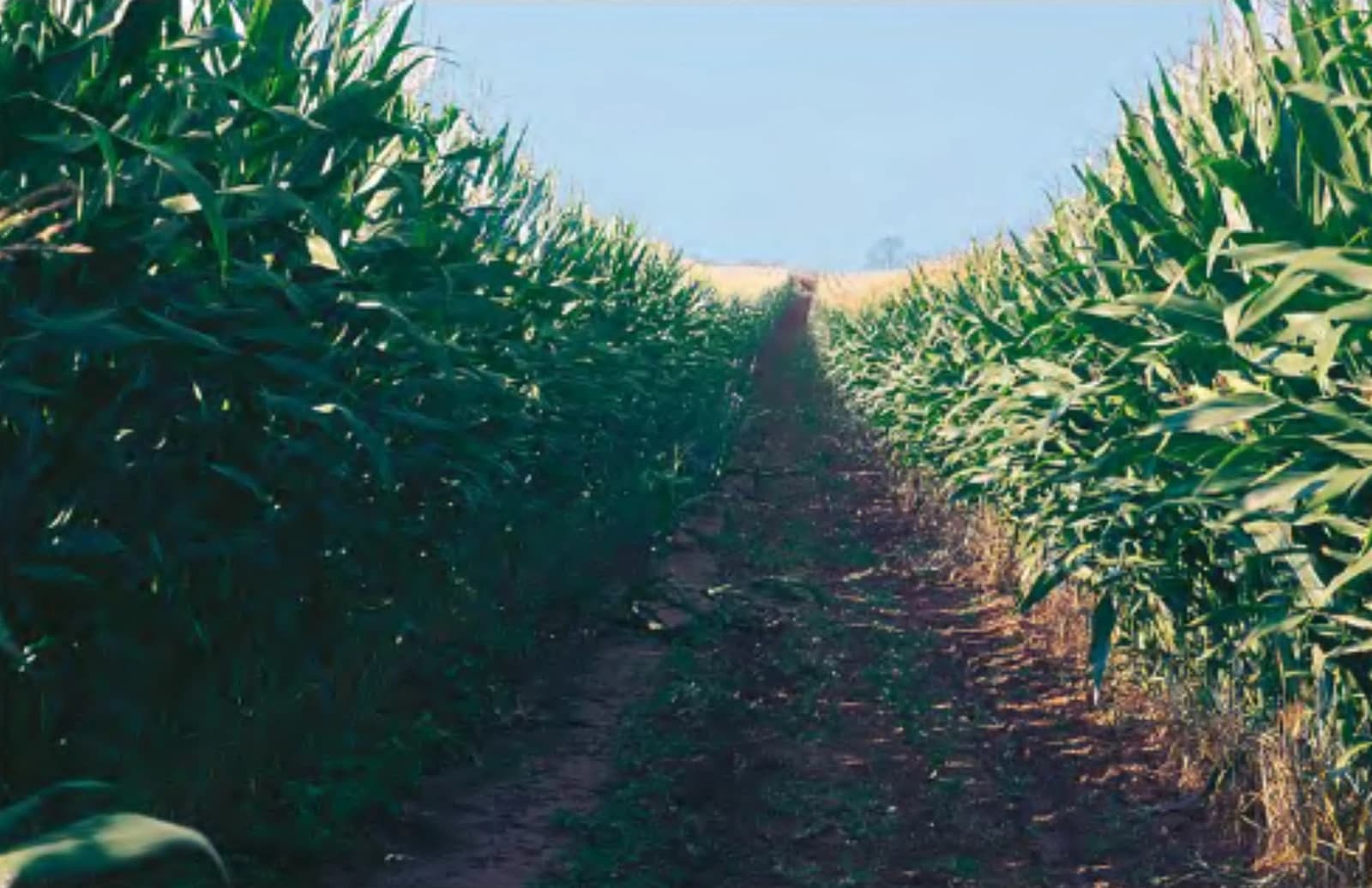
Austria’s record drought has turned this autumn’s harvest into a supply shock, wiping out a large share of corn, soy and sugar beet output and raising the odds of tighter domestic feed, food and biofuel markets heading into winter.
Austria Drought Cuts Corn Soy and Sugar Beet Output
The economic significance goes beyond a bad farming year. The country’s agriculture chamber says drought losses are now so severe that corn production is expected to fall 41.7% from last year to about 1.47 million tons, soybeans by 48.2% to 127,500 tons and sugar beet output by 42% to just under 1.15 million tons. Against the five-year average, the damage is even starker: soy is forecast down 50.4%, sugar beet down 58.5% and corn down 34.6%. Those are not minor weather setbacks — they are the kind of declines that force rationing, imports and margin resets.
Sentiment IndicatorsⓘProprietary · adalytica.com · October 3, 2026
This is a snapshot — live sentiment, awareness and momentum for 130+ markets update continuously in the dashboard.Open AlphaPulse
For investors, the first-order effect is on agricultural pricing and processing economics. Lower Austrian crops tighten regional supply for animal feed, vegetable oil, sugar and industrial starch users, while boosting demand for replacement imports from a Europe that is also dry. The chamber said some corn fields were chopped for emergency cattle silage because the plants never formed cobs, underscoring how drought is not only cutting commercial output but also shrinking feed availability. That matters for livestock producers, dairy margins and food inflation across Central Europe.
The hit is broad-based. Austria’s grain harvest was “better than initially expected” but still 17.3% below last year excluding corn, while the crop mix most exposed to late-summer heat was the one that collapsed. The country’s total agricultural damage from drought was put at about 1 billion euros by the Austrian hail insurer, a figure that now looks less like a worst-case estimate than a floor. Vegetable output is seen down 45% on average, fruit production by about a third, and some berry and orchard losses are described as total. In a small farm structure averaging just 25.6 hectares, there is less room to absorb a season like this.
The policy response is already in motion. Vienna approved a 240 million euro drought relief package in August, including help with social security contributions, higher drought-insurance subsidies and credit relief. But the aid is being rolled out gradually, not as an immediate cash injection, which limits its ability to offset near-term working-capital stress. That matters for banks, insurers and rural suppliers, because delayed relief means more farmers will lean on credit lines, reschedule payments and cut capital spending before any recovery arrives.
The bigger narrative is that Austria is a preview of what European agriculture looks like under more frequent extreme weather: more volatile yields, more pressure on irrigation and more value for companies selling resilience rather than acreage. That favors seed genetics, water-management technology, crop insurance and agricultural financing over pure commodity exposure. It also keeps a bid under global grain and oilseed prices whenever droughts hit multiple producing regions at once.
If you want the investable takeaway, this is not a one-off weather headline. It is another data point in the secular repricing of agricultural risk, where the winners are the picks-and-shovels of climate adaptation and the losers are farmers, processors and consumers left to absorb thinner harvests and higher input costs.
| Entity | Gains | Losses |
|---|---|---|
| Crop insurers | ▲Higher demand for drought cover | ▼Larger claim payouts |
| Seed and water-tech firms | ▲More spending on resilience | ▼None from the harvest collapse |
| Livestock producers | ▲Some access to emergency silage | ▼Higher feed costs |
| Austrian farmers | ▲Drought relief aid | ▼Harvest volumes and margins |