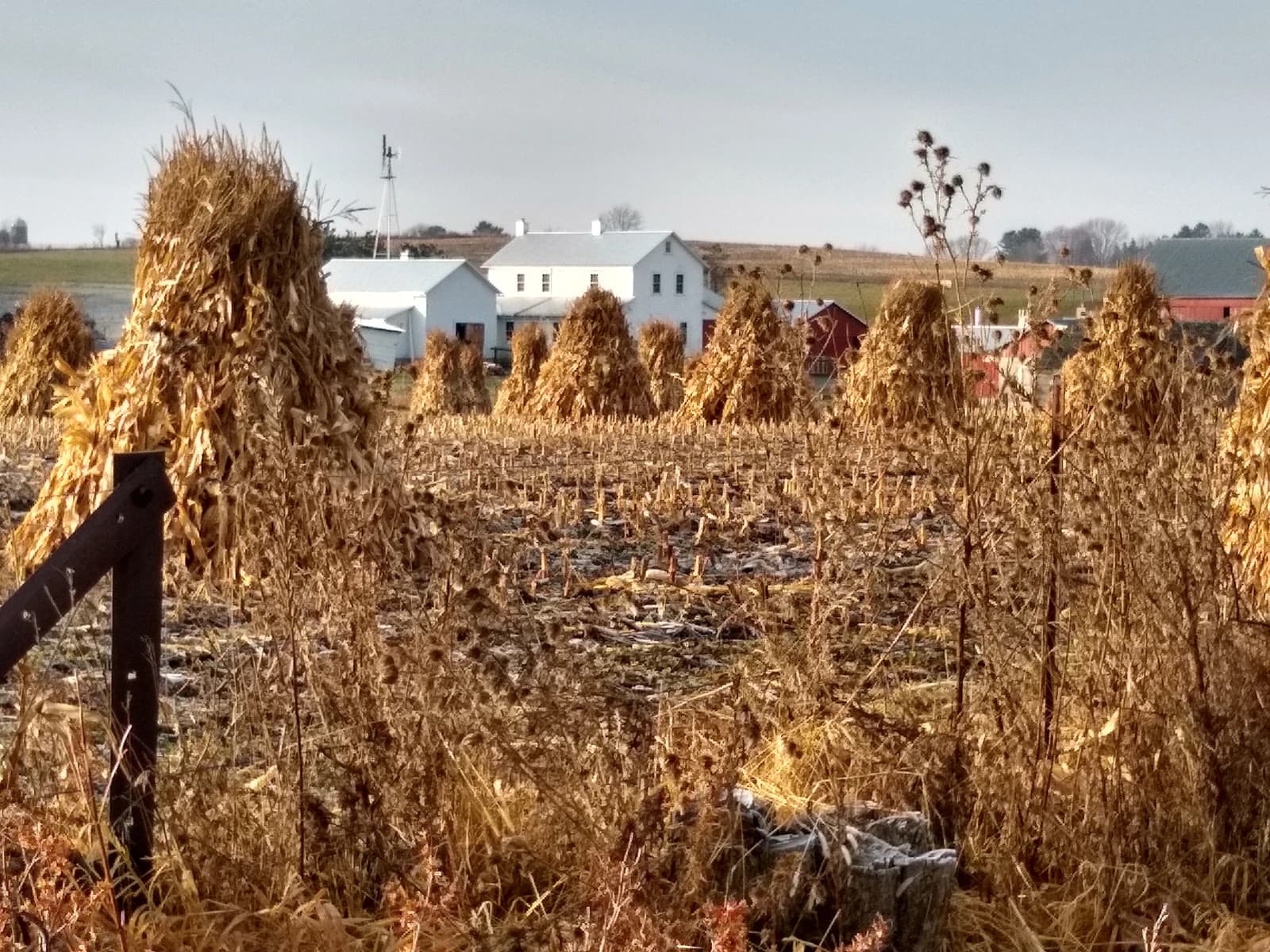
A prolonged drought in Cianjur has cut corn output in Sukanagara by about half, turning a smallholder crop into a money-losing business and underscoring how climate stress is squeezing rural incomes across Indonesia.
Indonesia drought cuts corn output in Cianjur
For investors and policymakers, the significance goes beyond one village in West Java: recurring dry spells are raising the cost of food production, weakening farm cash flow and increasing pressure for irrigation, water storage and agricultural support spending. When a farmer says the crop now takes five months to mature instead of three to four and still cannot cover labor costs, that is a direct hit to household earnings and local demand.
Sentiment IndicatorsⓘProprietary · adalytica.com · October 4, 2026
This is a snapshot — live sentiment, awareness and momentum for 130+ markets update continuously in the dashboard.Open AlphaPulse
The affected farmer, Ukon Suganda, said his less-than-one-hectare plot in Kampung Bala Pulang has seen production fall by around 50% because water from mountain springs has become scarce. He said the harvest is now barely enough to recover about 3 million rupiah, or roughly the cost of seed and fertilizer, leaving no margin to pay workers. In practical terms, the crop has gone from a source of income to a break-even or loss-making activity.
The drought has broader economic consequences for Cianjur, where water shortages have also affected household use and other farmland. The district is already confronting wider drought pressure, including reports of 56 villages in 20 subdistricts being affected and 960 hectares of rice fields at risk. That raises the odds of lower agricultural output, tighter rural liquidity and more demand for emergency irrigation measures.
From an investor’s perspective, the story reinforces the case for beneficiaries tied to water infrastructure, irrigation equipment and climate adaptation. It also flags a growing risk premium for agricultural supply chains exposed to weather volatility, especially in staple crops like corn, where even a temporary yield shock can ripple through feed, food and transport costs. When cash crops fail to cover basic input and labor expenses, the pain eventually shows up in local consumption and lending quality as well.
The market underestimates how quickly climate strain can turn into a capital-allocation story. The next phase is likely to be driven by whether local authorities fund more pumping, irrigation and water delivery, and whether farmers can adopt more resilient planting and water-management methods before the next dry season hits. For now, the clear takeaway is that drought is not just an agricultural problem in Cianjur — it is an earnings problem, and the winners will be the providers of water, equipment and resilience.
| Entity | Gains | Losses |
|---|---|---|
| Sukanagara corn farmers | ▲none | ▼lower yields, lost income |
| Local water/infrastructure providers | ▲higher demand | ▼none |
| Cianjur households | ▲eventual relief if support arrives | ▼water scarcity, higher food stress |
| Corn buyers/feed users | ▲none | ▼tighter local supply, higher climate risk |