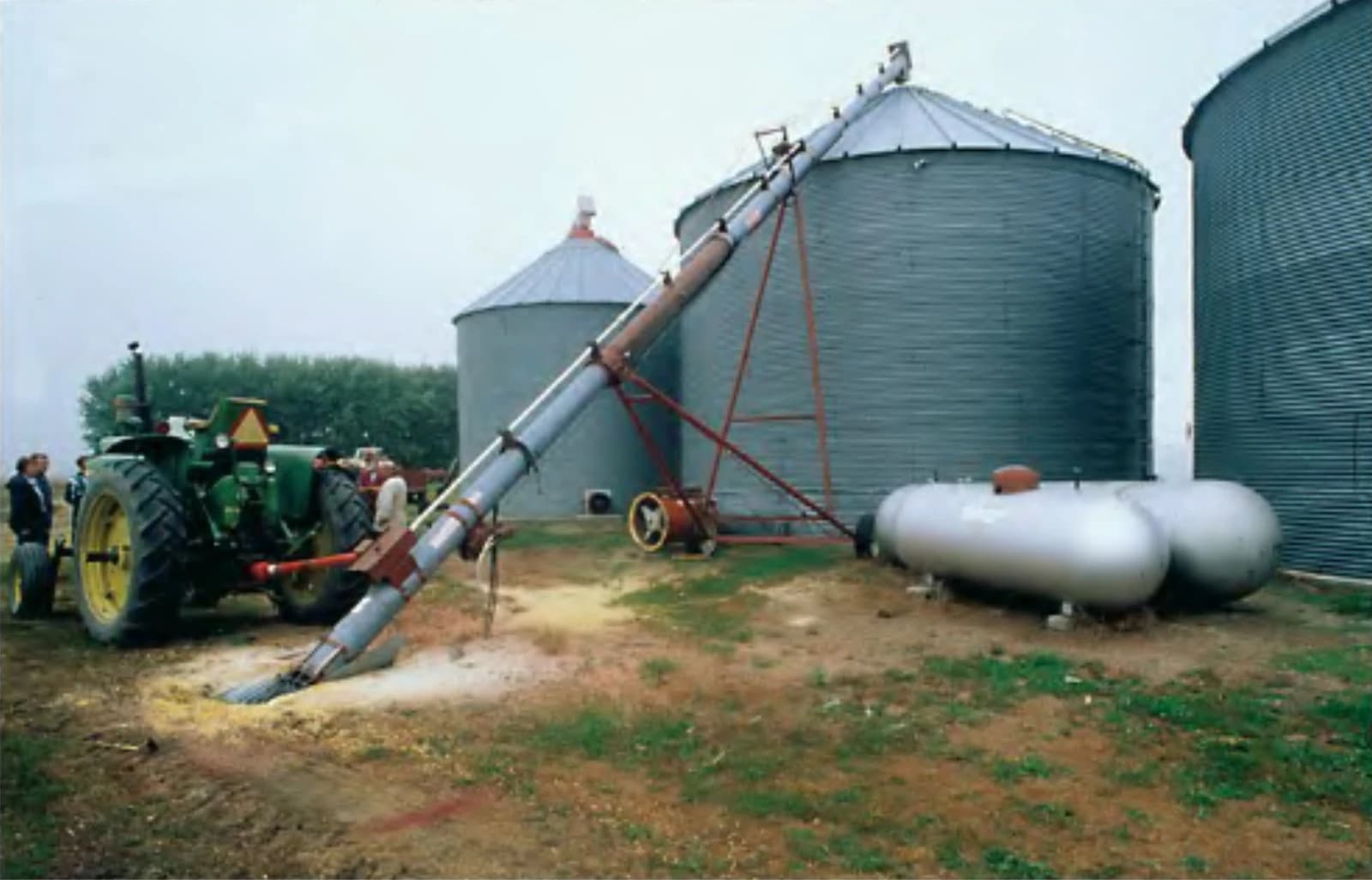
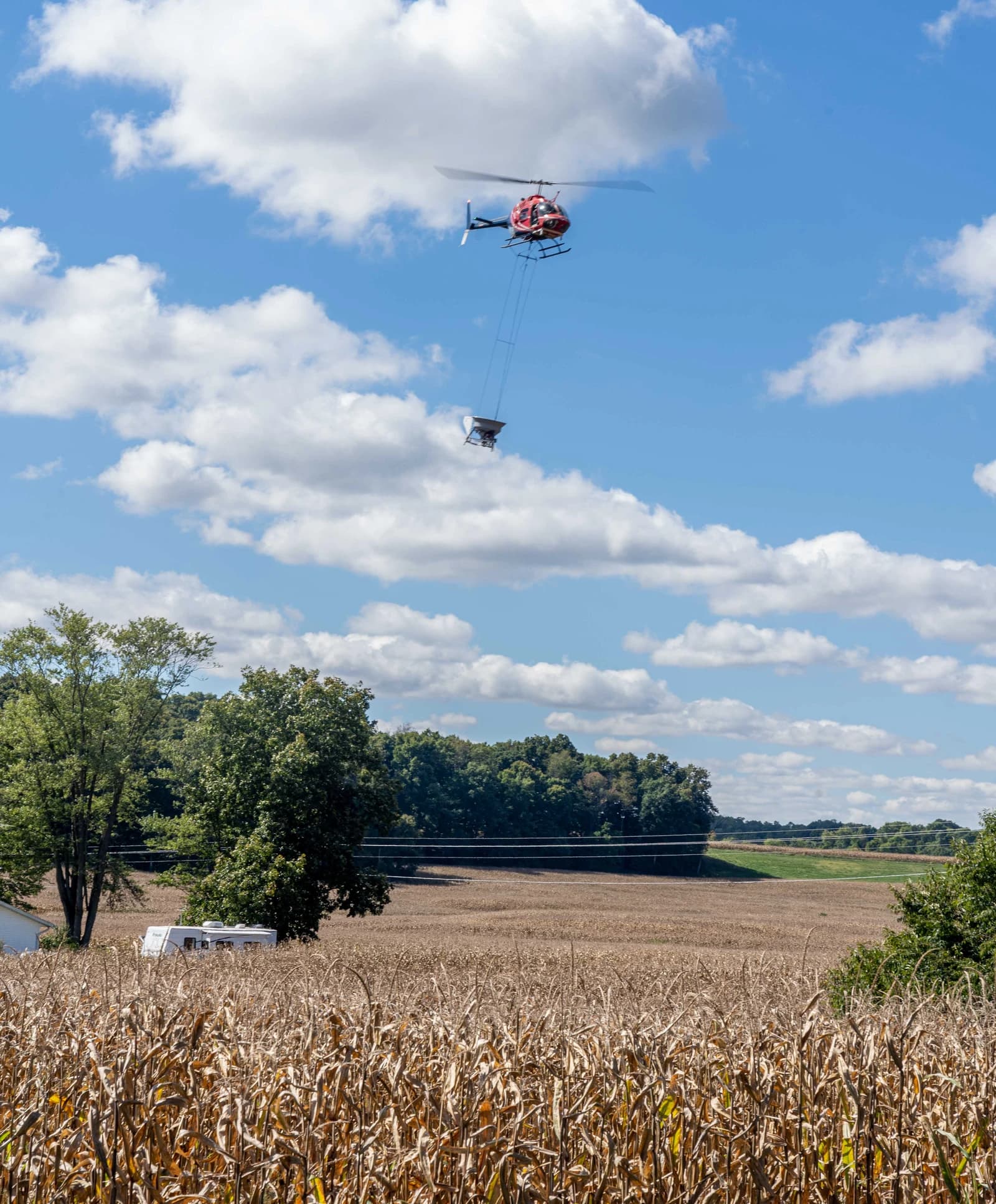
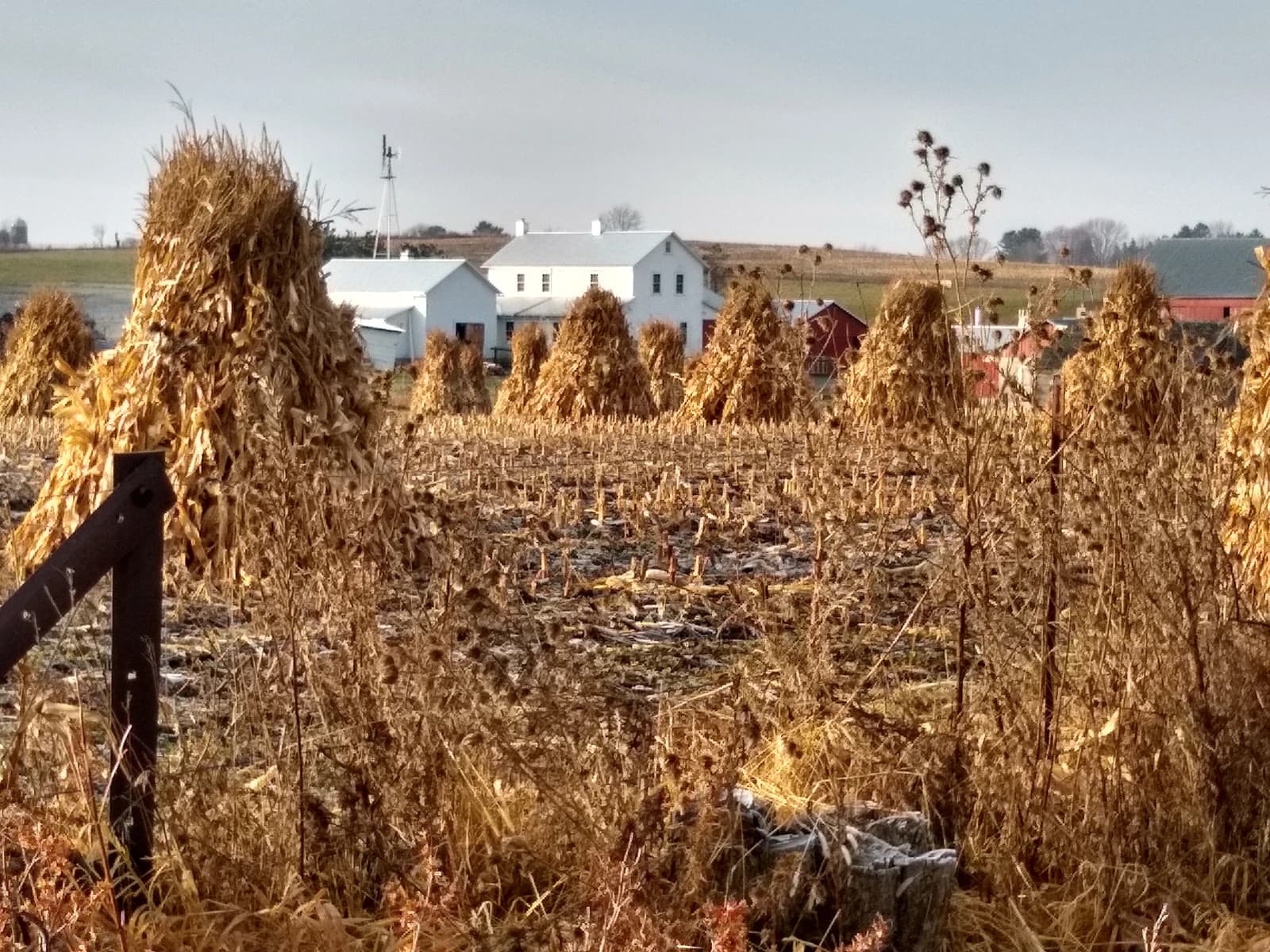
Wisconsin’s corn crop is being pulled forward into an early harvest as drought conditions cut into yields, a development that matters far beyond one state because it can tighten grain supplies, lift feed costs and ripple through everything from ethanol margins to food prices.
Wisconsin Corn Drought Lifts Prices and Farm Stocks
For investors, the key point is that weather is once again proving it can move real money. Corn prices have jumped to about 20.17, up sharply from late-August levels, while wheat has surged to 27.12 and agricultural names tied to grain handling and farm equipment have responded. Those moves are not just trading noise: they reflect a market that is starting to price in weaker harvests and a less comfortable supply backdrop.
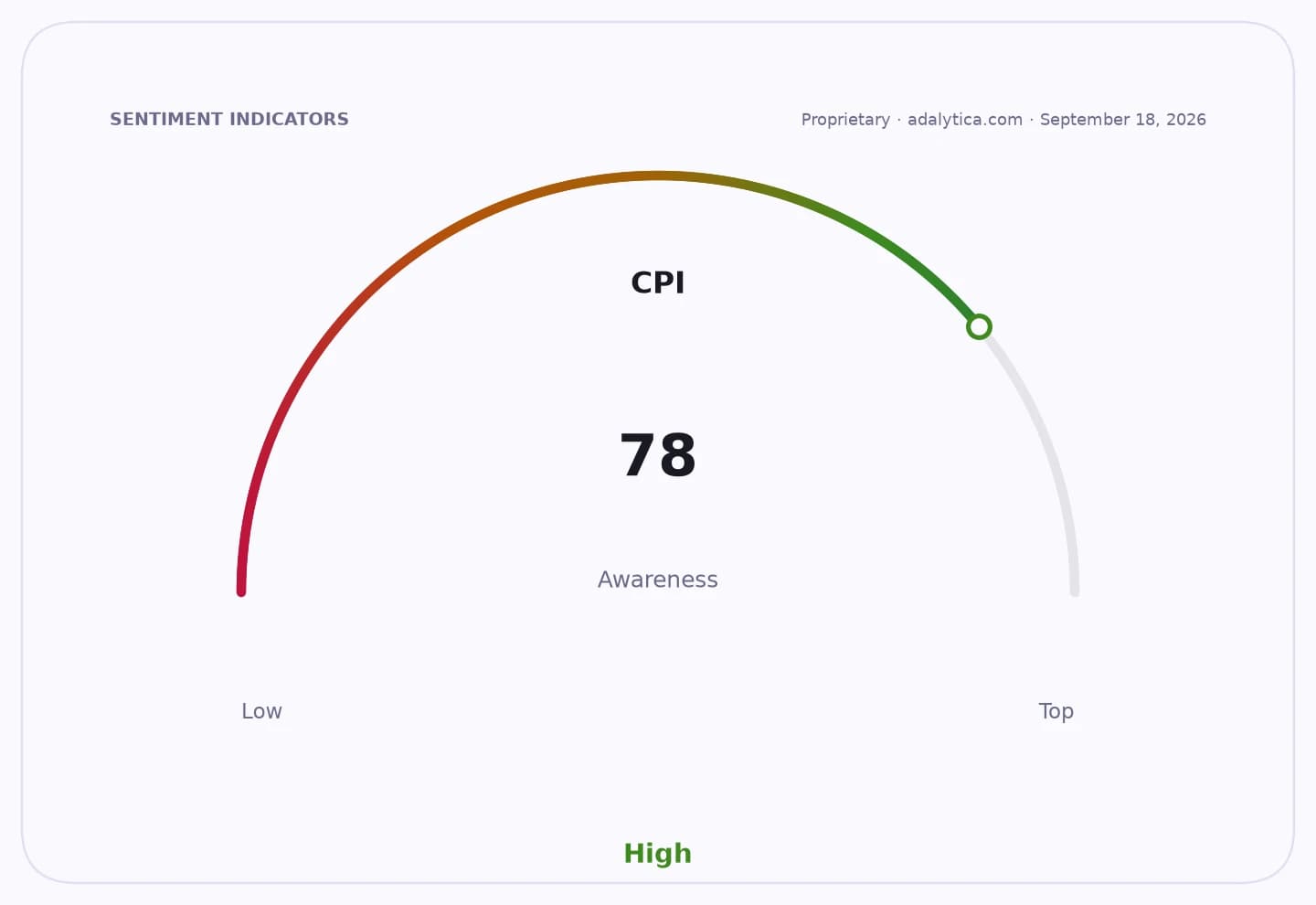
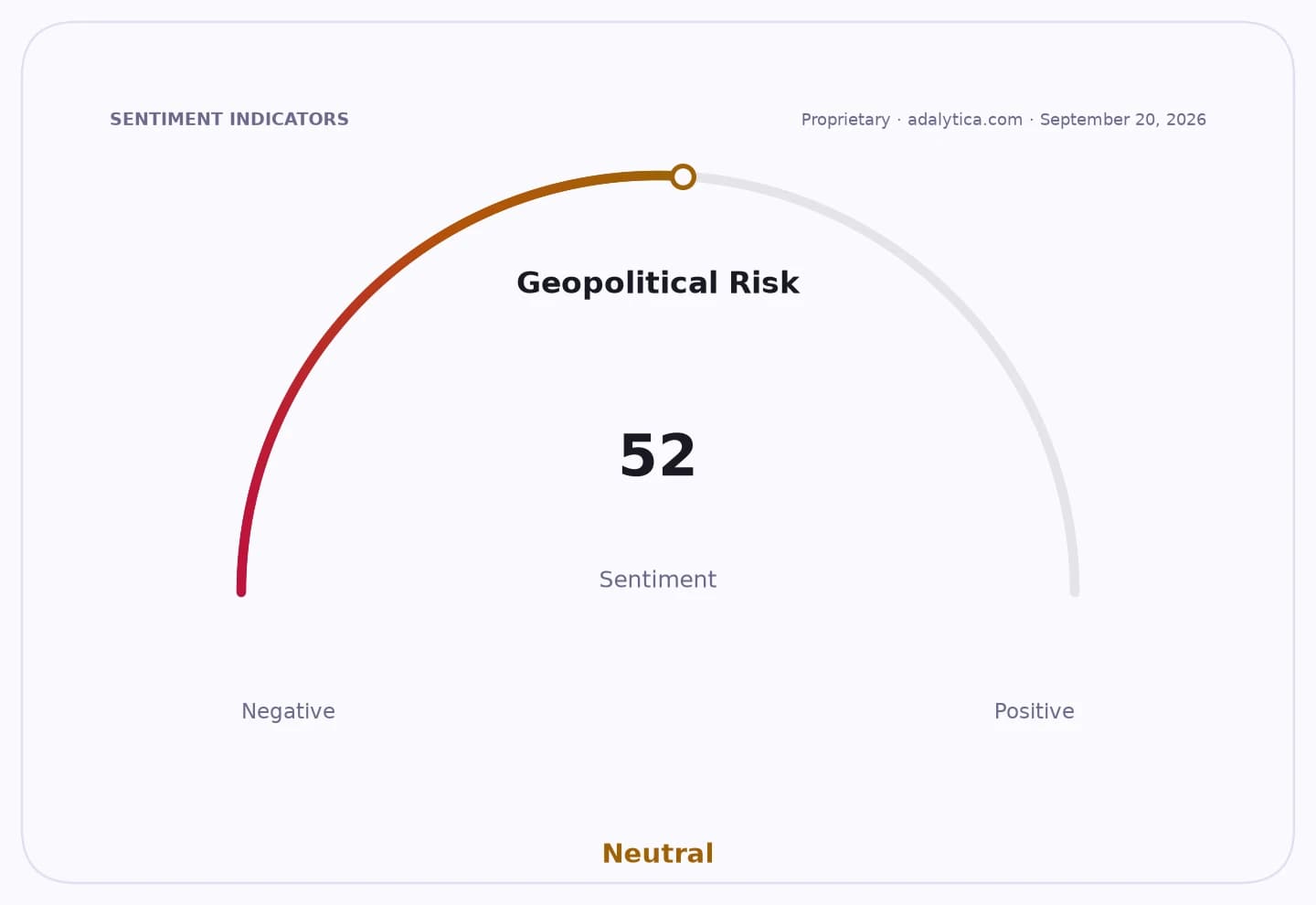
Sentiment IndicatorsⓘProprietary · adalytica.com · September 5, 2026
This is a snapshot — live sentiment, awareness and momentum for 130+ markets update continuously in the dashboard.Open AlphaPulse

The broader economic stakes are straightforward. When drought shortens a crop, farmers lose bushels and buyers pay more for what remains. That can squeeze livestock producers, food makers and biofuel plants, while supporting merchants, exporters and seed and equipment suppliers that benefit from a tighter production cycle. In other words, one of the few things investors can count on in agriculture is that bad weather creates winners as well as losers.
That pattern is showing up in the market. Corn futures are trading well above both the 50-day and 200-day moving averages, with the relative strength index in overbought territory, a sign that traders have already pushed the price higher on supply worries. Wheat has also strengthened, while ADM shares have climbed to about 84.38 and Deere sits near 85.38, both reflecting the kind of farm stress that can support sales of inputs, machinery and grain merchandising services. If the drought persists, those tailwinds could continue even as growers take the hit.
The oil market is part of the same story. U.S. crude has recovered to around $91.75 a barrel, and Adalytica’s WTI trade snapshot shows “extreme fear” in sentiment even as awareness remains elevated. That matters because higher energy costs can increase fertilizer, freight and processing expenses just as crop economics are weakening. For investors, it is another reminder that agriculture is not an isolated theme; it sits inside a much larger web of commodity pricing and inflation.
Longer term, the investment lesson is less about making a quick call on weather and more about owning the businesses that can compound through cycles. Seed makers, machinery suppliers, grain handlers and diversified food companies all have different exposure to a drought year, which is why patient investors should think in portfolios, not single bets. A dry spell can reward one part of the value chain while punishing another, and that is exactly why agriculture remains a sector worth watching for years, not weeks.
| Entity | Gains | Losses |
|---|---|---|
| Corn traders | ▲Higher prices | ▼Better harvest expectations |
| ADM, Deere | ▲Stronger farm demand | ▼Farm income pressure |
| Livestock and food makers | ▲Lower input costs only if crops recover | ▼Higher feed and grain costs |
| Wisconsin farmers | ▲None in a drought year | ▼Yield losses, early harvest stress |