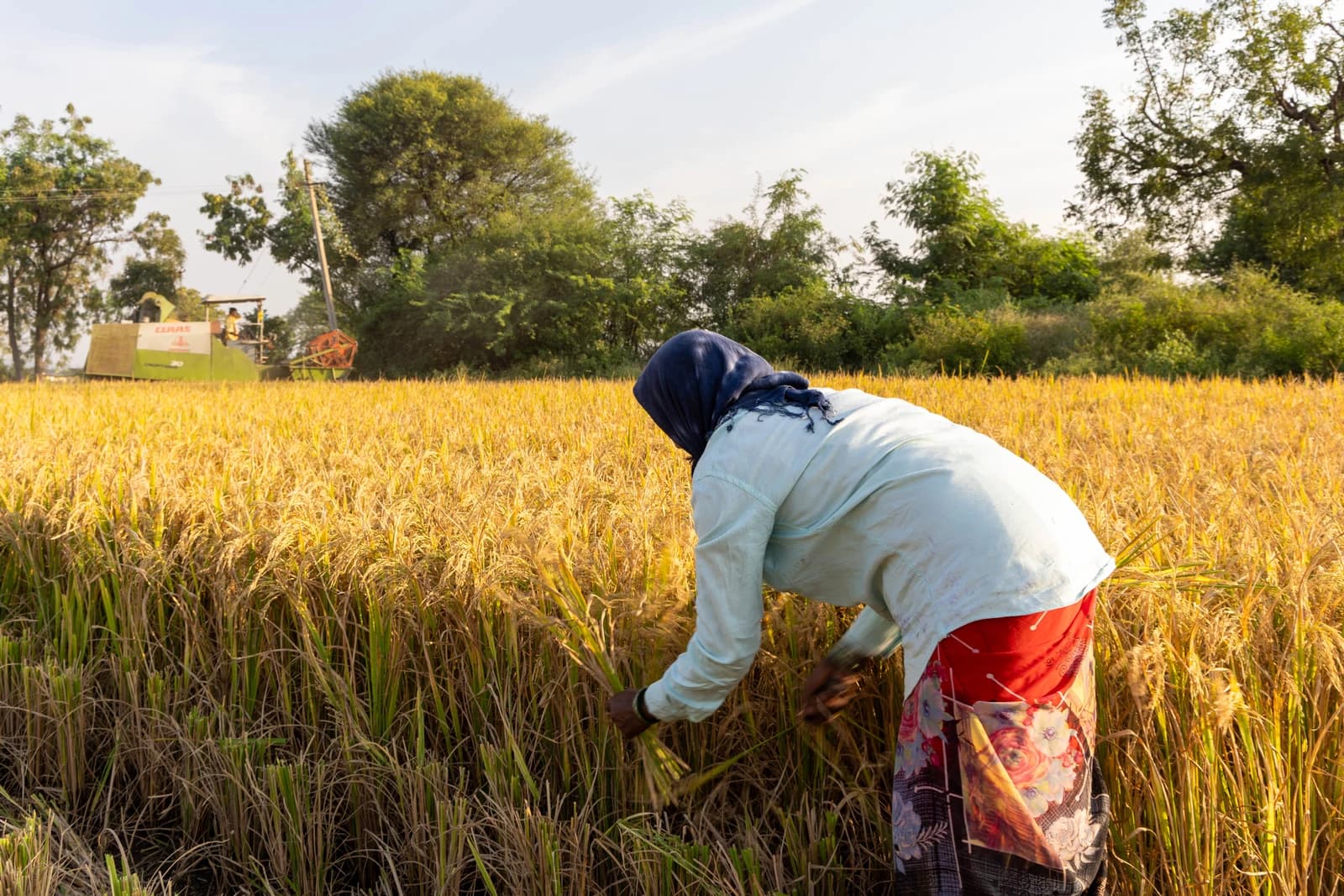
Using cereal rye as a cover crop across U.S. corn and soybean ground could cut soil erosion and nutrient losses while supporting crop yields, a finding that matters for farm economics as producers face volatile weather, tighter margins and growing pressure to protect yields without lifting input costs.
Cereal rye cover crops may cut erosion on corn, soy fields
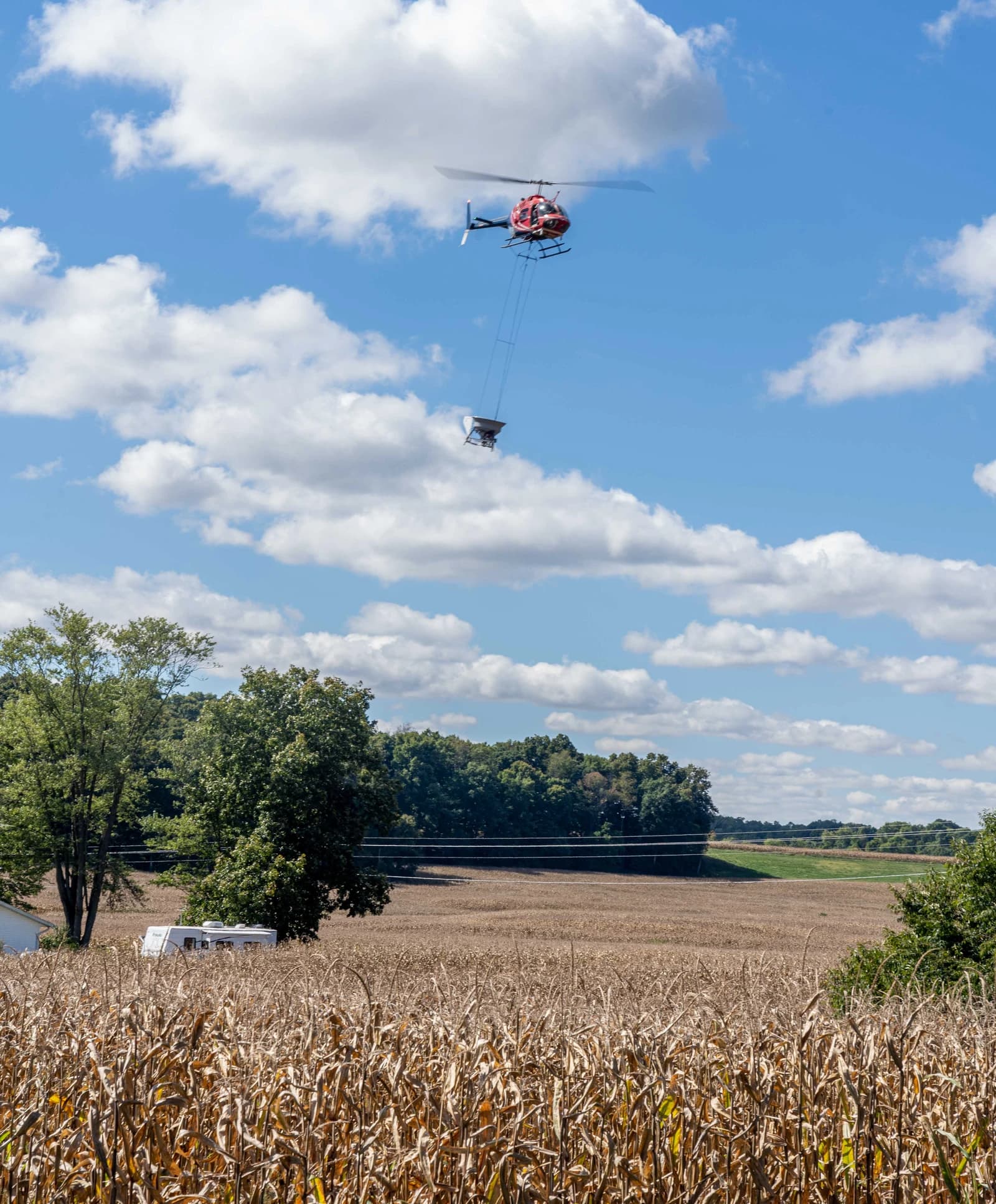
The new modeling work lands at a sensitive moment for agriculture, where extreme weather and rising production costs are squeezing growers and boosting interest in practices that can stabilize fields. For investors, that puts a spotlight on companies tied to crop protection, seed, fertilizer and farm equipment, as well as the broader economics of soil health and resilience in the Corn Belt.
Sentiment IndicatorsⓘProprietary · adalytica.com · September 25, 2026
This is a snapshot — live sentiment, awareness and momentum for 130+ markets update continuously in the dashboard.Open AlphaPulse
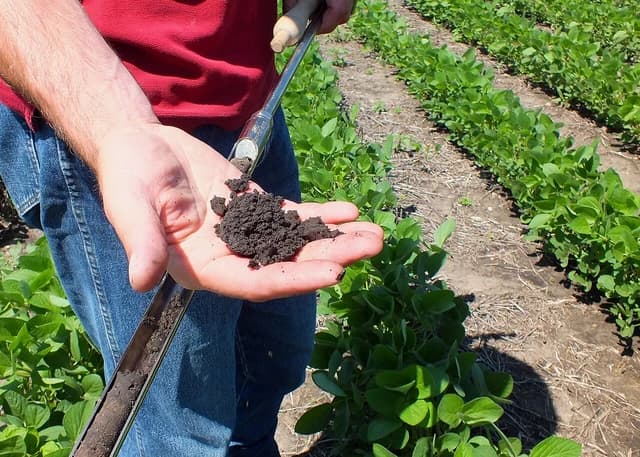
The story is not just agronomy. If cereal rye can reduce runoff and nutrient loss while preserving output, it may lower the need for remediation, improve long-term productivity and help farmers defend margins when input prices stay elevated. That is especially relevant after fertilizer prices have remained well above historical norms, even after easing from the 2022 spike.
The broader backdrop also includes uneven crop conditions and farm distress in parts of the Midwest and abroad, where weather damage has triggered protests and forced policy debates over crop losses and support. Against that backdrop, practices that can reduce erosion and improve water retention may gain traction faster, particularly on vulnerable fields in high-intensity corn and soybean rotations.
For publicly traded names, the implications are mixed. Deere could benefit if more growers invest in management systems and equipment that support conservation practices, while fertilizer makers such as Nutrien and Mosaic face a slower secular pushback on nutrient-intensive production if cover crops gain scale. Seed and agronomy service providers also stand to benefit if adoption increases, though the near-term payoff depends on whether farmers see consistent yield protection rather than just environmental benefits.
The next test is whether the modeled advantages translate into farm-level economics that can survive a weak commodity-price backdrop. If they do, cereal rye and similar cover crops could move from niche conservation tools to a more mainstream part of Corn Belt risk management.
| Entity | Gains | Losses |
|---|---|---|
| Corn and soybean growers | ▲Lower erosion, steadier yields | ▼Upfront adoption costs |
| Deere (DE) | ▲More conservation-tech demand | ▼None from lower tillage intensity |
| Nutrien (NTR) and Mosaic (MOS) | ▲Residual input demand if yields hold | ▼Weaker fertilizer intensity |
| Soil and water systems | ▲Less runoff and nutrient loss | ▼Higher pressure on conventional practices |