Poor and uneven monsoon rains in Telangana are squeezing farmers and forcing state power utilities to buy electricity on the spot market every day, raising costs for the grid just as crop losses mount across the state. The shortfall is hitting agriculture, irrigation storage and hydropower at the same time, turning a weather problem into an economic drag with implications for food supply, rural incomes and utility finances.
Telangana Monsoon Shortfall Hits Farms and Power Costs
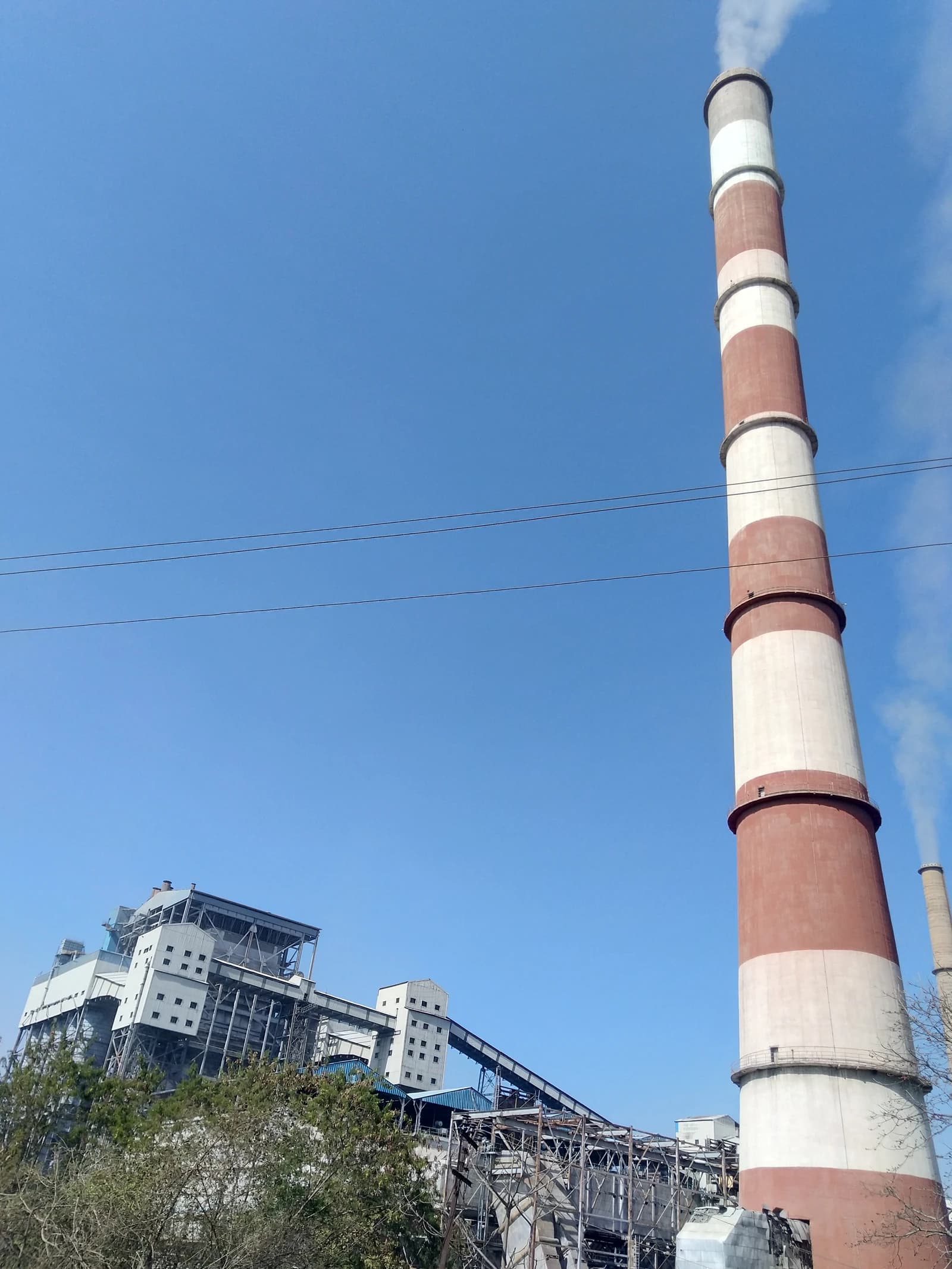
Hydel generation in the state has slumped to 983.17 million units this monsoon from 3,707.99 million units a year earlier, just 26.5% of last year’s output, after August rainfall came in 38% below normal and reservoir inflows weakened. The state’s 21,500 minor irrigation tanks now hold 94.3 tmc ft against a capacity of 253.8 tmc ft, while major, medium and small reservoirs are at 513 tmc ft versus 1,059 tmc ft of capacity.
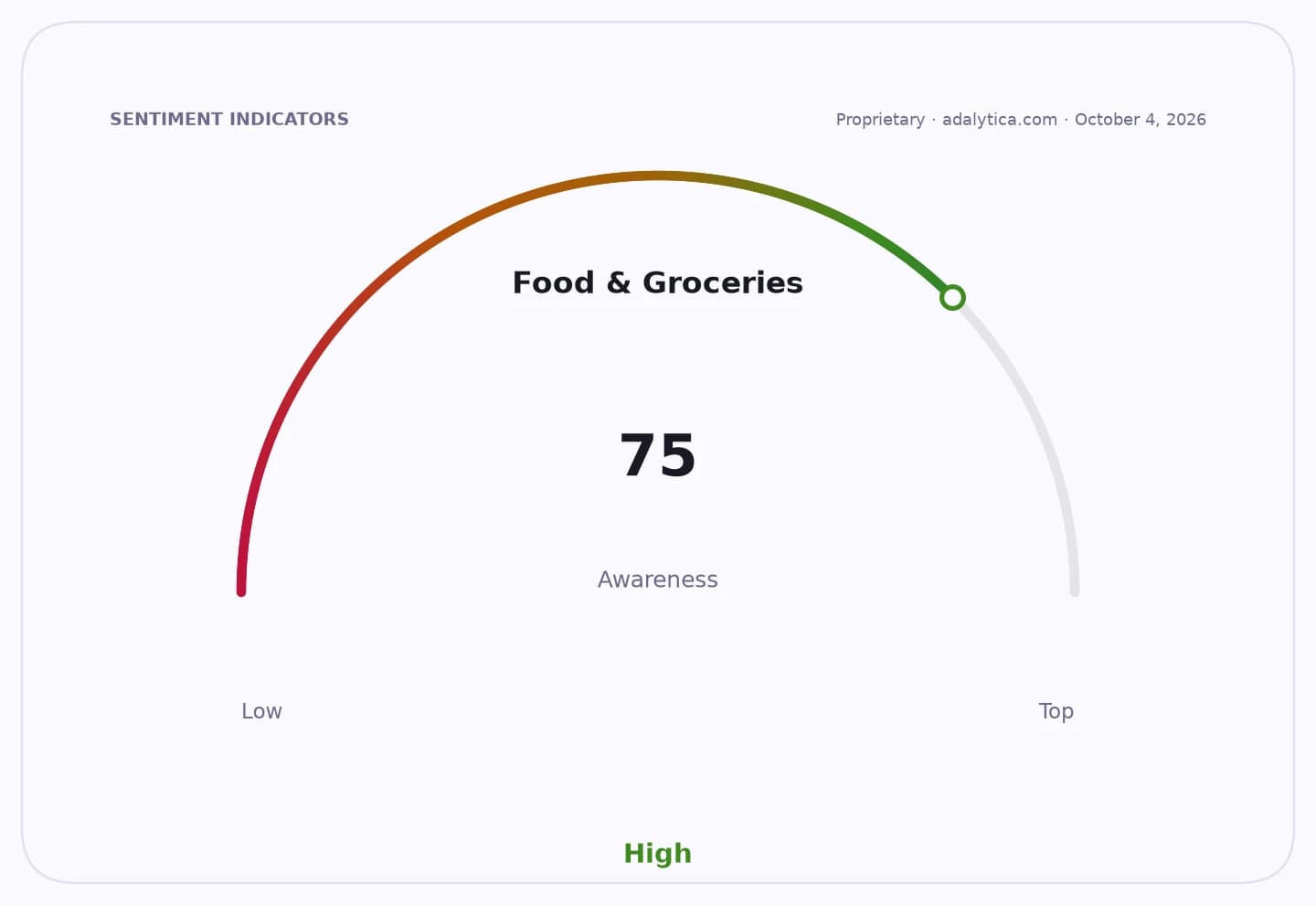
Sentiment IndicatorsⓘProprietary · adalytica.com · October 4, 2026
This is a snapshot — live sentiment, awareness and momentum for 130+ markets update continuously in the dashboard.Open AlphaPulse
That has left growers with the lowest Kharif cultivation since 2022, at 125.85 lakh acres, and paddy acreage below 60 lakh acres for the first time since then. Farmers are also drawing more groundwater to keep standing crops alive, which is lifting daytime demand and worsening shortages in the countryside.
Power utilities are responding by buying 30 million to 50 million units a day from the Indian Energy Exchange during peak hours, a sign the state’s generation mix is being pushed into more expensive supply. Those purchases add to distribution costs and can pressure state finances if the dry spell persists, while erratic supply has already triggered protests in parts of rural Telangana.
For investors, the story is a reminder that monsoon volatility can hit everything from utilities and rural credit to crop-linked prices and state power balance sheets. The next catalyst is whether late-season rains or reservoir replenishment can stabilize irrigation demand and reduce reliance on spot power, or whether the state heads into a deeper water-and-power stress into the next crop cycle.
| Entity | Gains | Losses |
|---|---|---|
| Farmers in Telangana | ▲None | ▼Crop losses, higher irrigation costs |
| Telangana power utilities | ▲None | ▼Higher spot power costs |
| Indian Energy Exchange sellers | ▲Higher spot sales | ▼None |
| Rural consumers/state finances | ▲None | ▼Supply stress, weaker incomes |