Maize prices in Haveri have climbed to as much as 2,500 rupees a quintal, but the rally is offering little comfort to farmers because drought has sharply reduced yields and market arrivals are running far below normal.
Haveri maize prices hit 2,500 rupees a quintal
The price surge matters economically because it reflects a classic supply squeeze rather than a broad-based improvement in farm incomes. In Haveri district, where maize is the dominant crop across a large share of farmland, production has been hit by weak rainfall and a smaller harvest, leaving farmers with fewer quintals to sell just as demand from ethanol plants and poultry feed makers has strengthened. That combination is pushing up spot prices, but it is also limiting the volume that reaches market yards, which means the higher price is not translating into proportionately higher earnings for many growers.
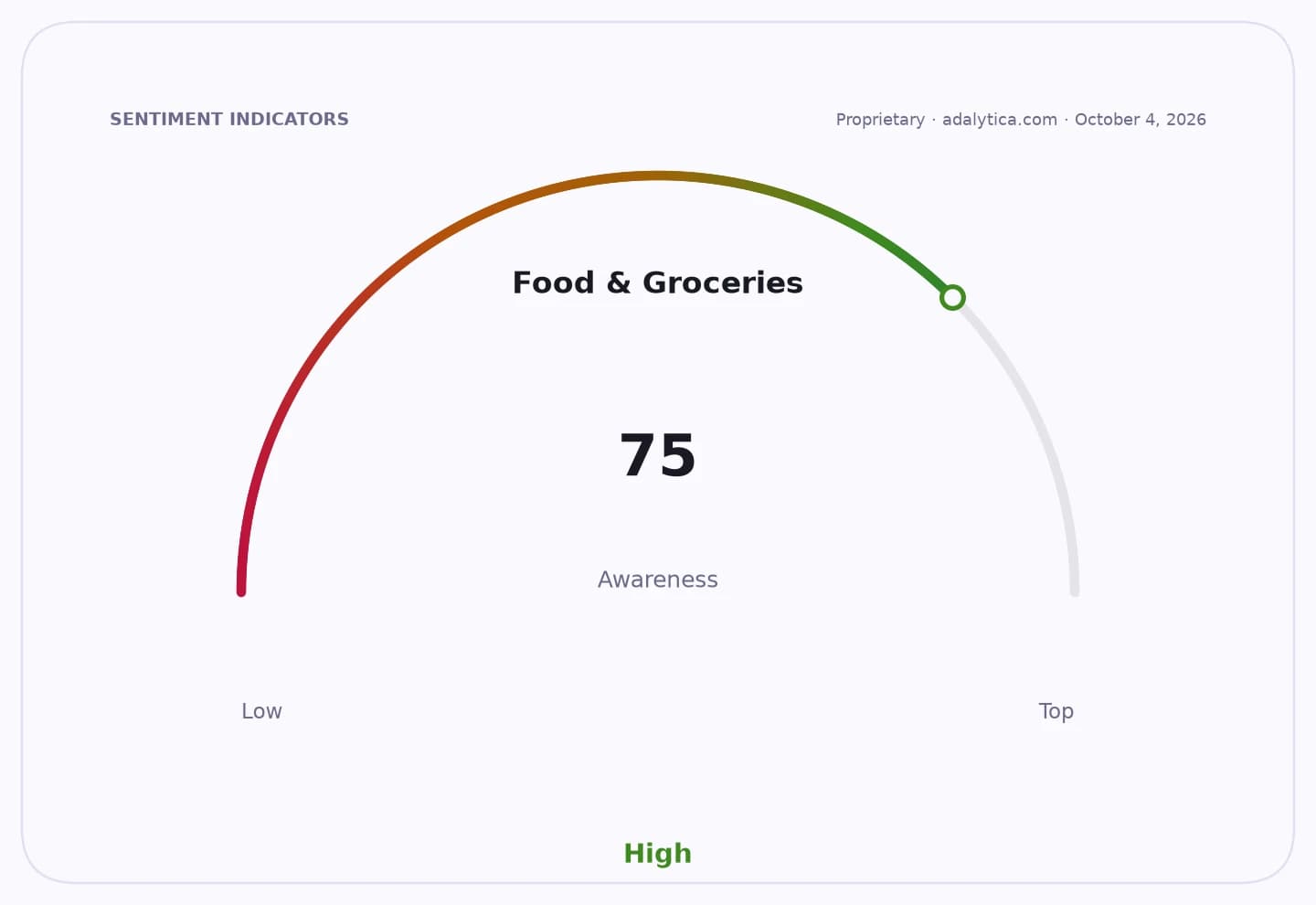
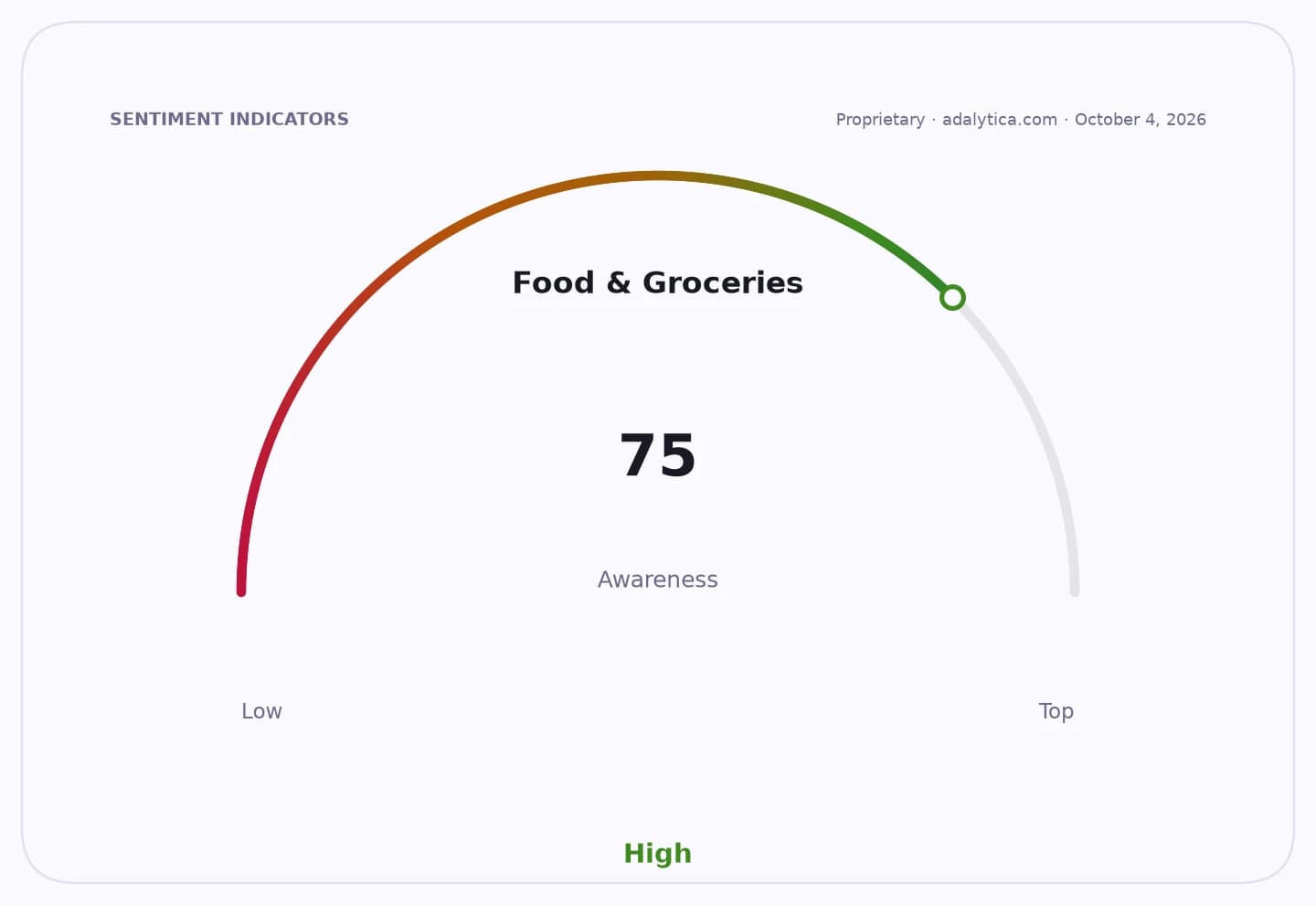
Sentiment IndicatorsⓘProprietary · adalytica.com · October 4, 2026
This is a snapshot — live sentiment, awareness and momentum for 130+ markets update continuously in the dashboard.Open AlphaPulse
The gap between price and income is the central issue. Last year, maize in the district had fallen to about 1,600-1,800 rupees a quintal, prompting protests from farmers demanding at least 2,500 rupees. This season, that level has been reached before the main marketing period has even fully opened. But with yield losses severe, the benefit is largely theoretical for many producers. September arrivals at Haveri APMC were only 2,937 quintals, and daily inflows have reportedly averaged less than 100 quintals, far below the district’s usual harvest window from October to December.
The demand side is adding another layer of pressure. Maize is a key raw material for grain-based ethanol in India and remains central to poultry feed, creating competition between industrial buyers and feed manufacturers. That is good news for traders and for growers with inventory left to sell, but it raises costs for downstream users, especially poultry operations, where maize is a major input. If prices stay elevated, feed inflation could filter through to chicken production costs and eventually retail food prices.
For investors, the story points to tighter margins in maize-dependent sectors and a firmer backdrop for agricultural commodities more broadly. Corn-linked funds and grain processors tend to benefit from supply-driven price strength, while livestock and feed users face cost pressure. In the U.S. market, corn and wheat funds have already shown sensitivity to weather, supply and macro inflation concerns, with standard technical indicators on the contracts reflecting recent volatility rather than a clean directional trend. The broader takeaway is that weather shocks are once again feeding into food inflation risk at a time when energy prices are already stoking concerns about cost pressures.
The policy dimension is just as important. Farmer groups are pressing for drought compensation, arguing that a higher market price does not offset a failed crop. That makes the Haveri situation a reminder that nominal price gains can mask real distress when output collapses. If arrivals remain thin, prices could stay firm in the near term, but the more lasting economic impact will be on farm incomes, feed costs and the state’s response to the drought.
| Entity | Gains | Losses |
|---|---|---|
| Maize farmers with stock | ▲Higher sale price | ▼Lower volumes sold |
| Ethanol and poultry buyers | ▲Secured supply urgency | ▼Higher input costs |
| Feed and livestock producers | ▲— | ▼Margin pressure |
| Karnataka farmers facing drought | ▲Possible compensation case | ▼Crop losses and weak income |