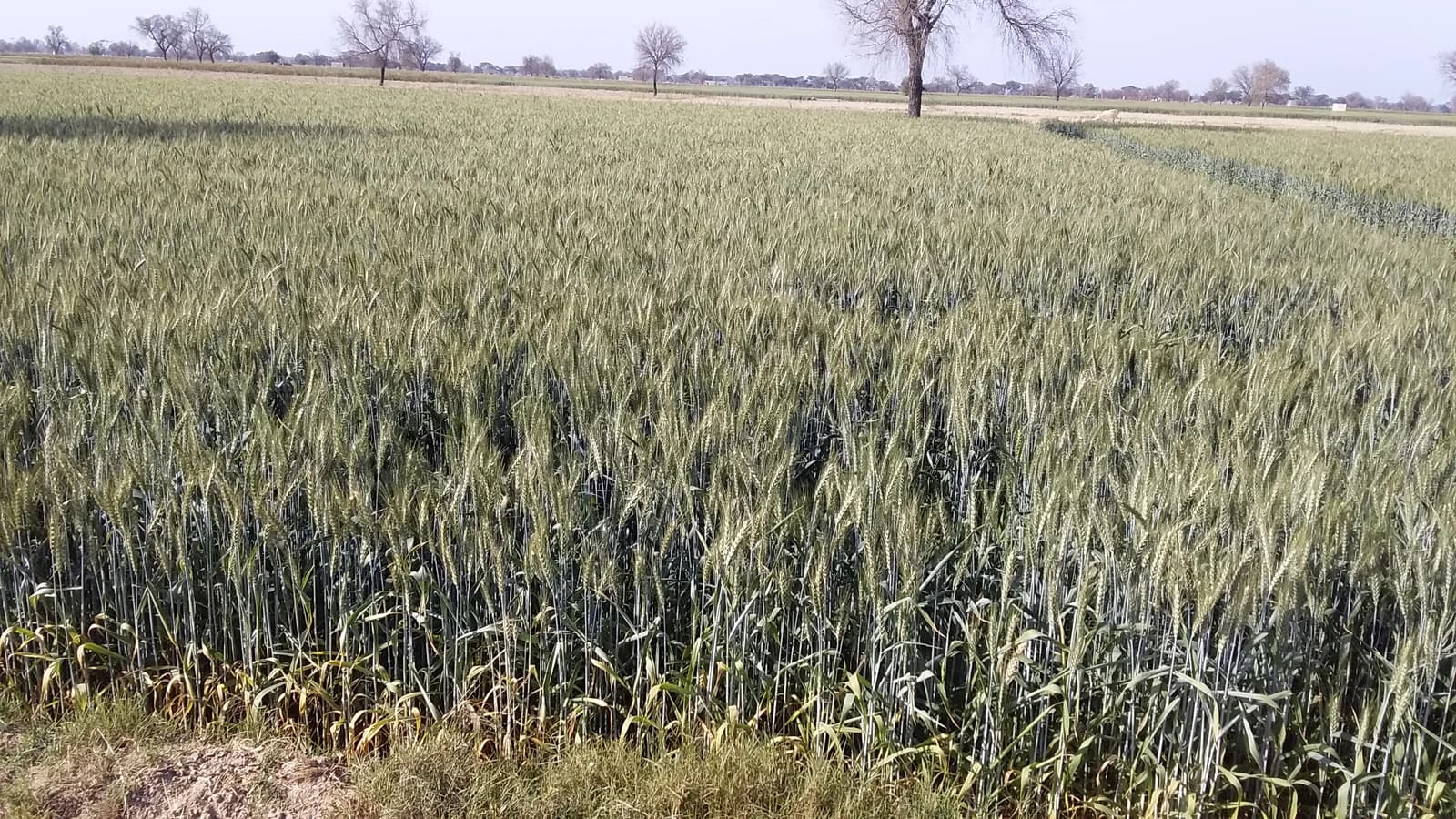
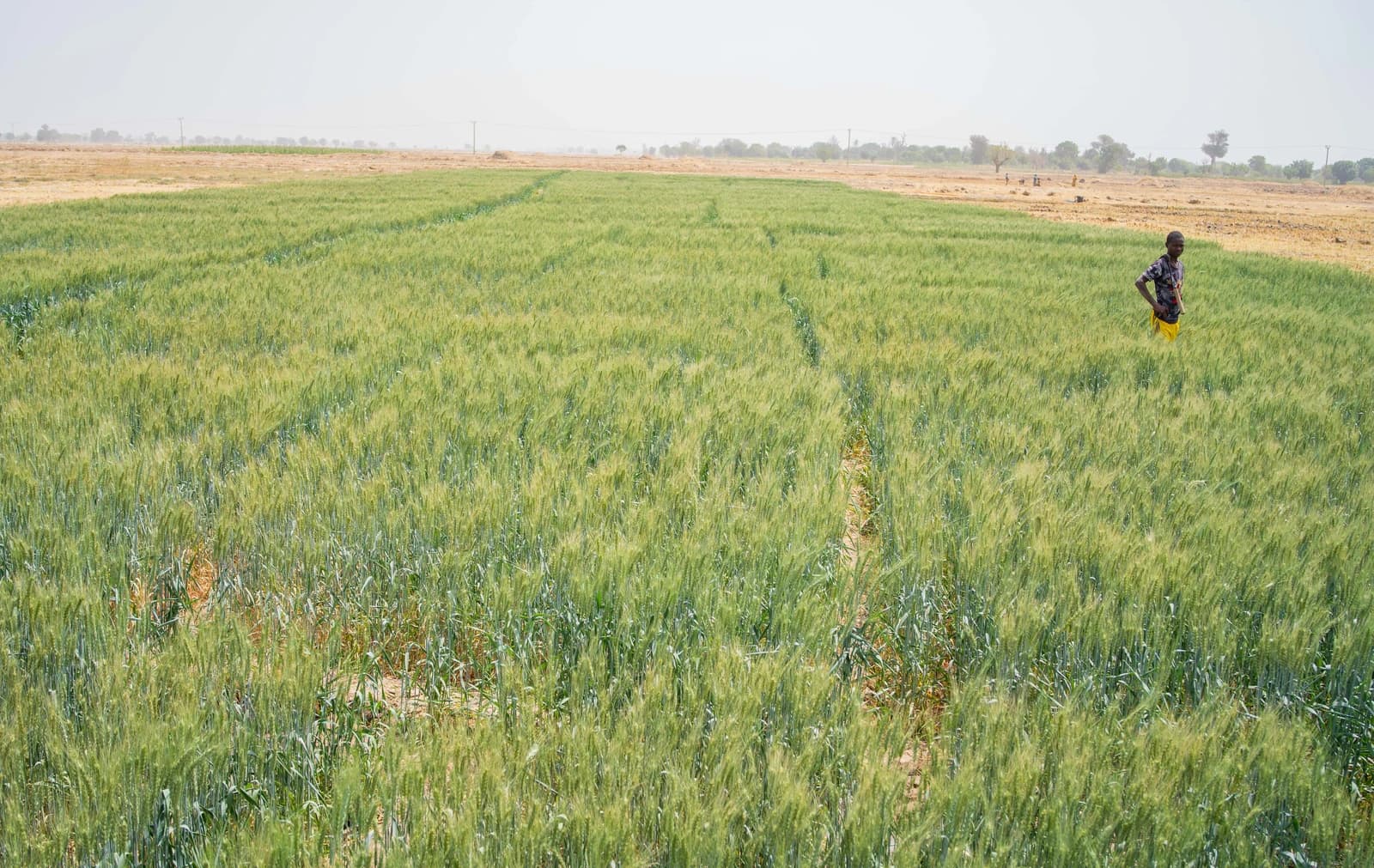
Farmers in India say the government’s 25-rupee increase in the wheat minimum support price is too small to offset their mounting input costs, underscoring a broader squeeze on rural incomes that could keep pressure on policy makers ahead of the next planting cycle.
India wheat MSP rises 25 rupees to 2,610
The criticism matters because wheat is one of India’s most important rabi crops and the MSP is the benchmark that shapes farm economics, procurement incentives and, ultimately, rural cash flow. The central government has approved a 25 rupee-per-quintal increase in the wheat MSP to 2,610 rupees, but growers and farm groups argue that the move barely keeps pace with faster-rising costs for seed, fertiliser, pesticides, diesel, machinery and labour.
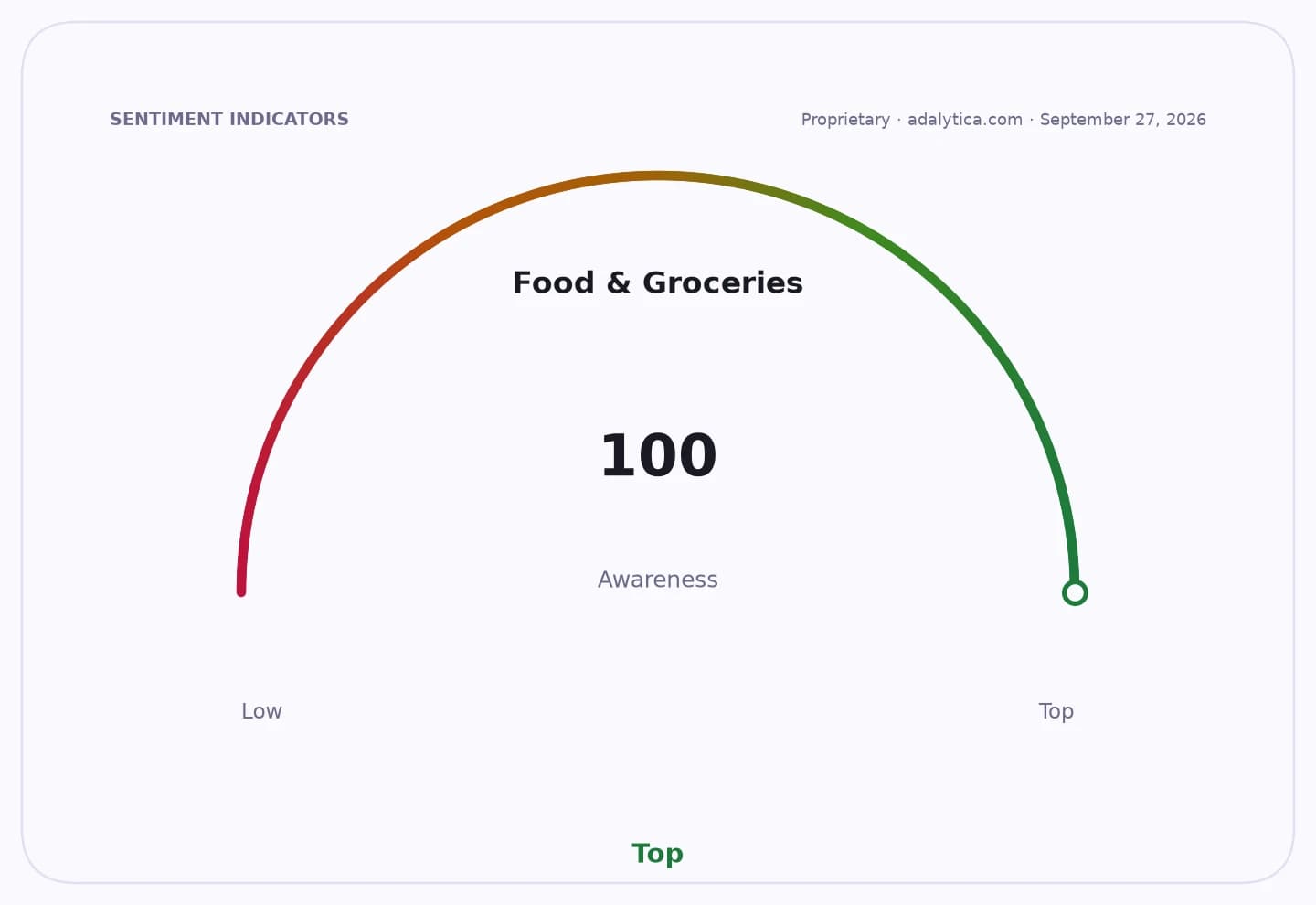
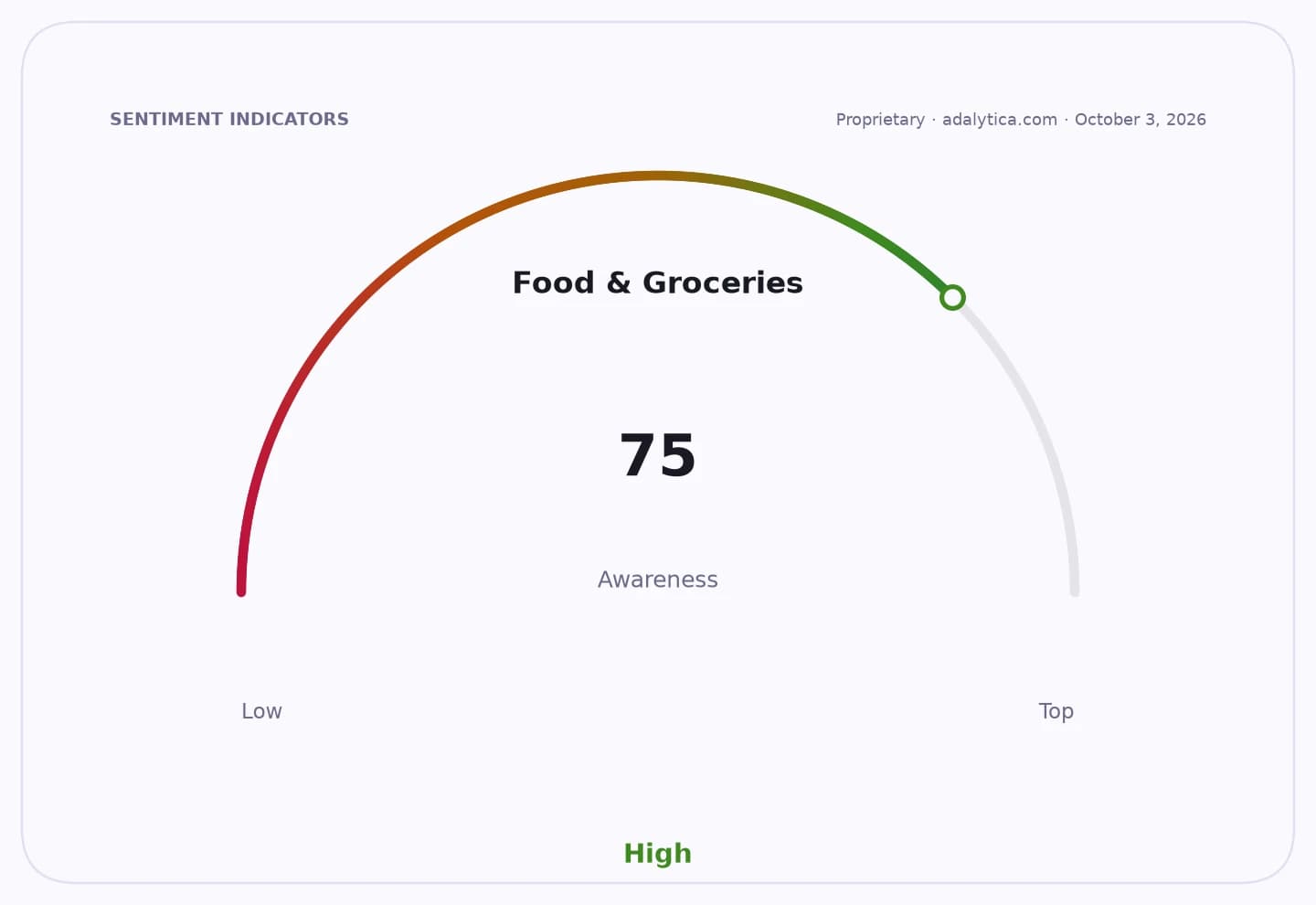
Sentiment IndicatorsⓘProprietary · adalytica.com · October 3, 2026
This is a snapshot — live sentiment, awareness and momentum for 130+ markets update continuously in the dashboard.Open AlphaPulse
Jaswant Singh Chhahar, a block president of Bharatiya Kisan Union Ekta Sidhuppur, said the increase was insufficient and called for “remunerative prices” as well as a legal guarantee for MSP. His complaint reflects a longstanding fault line in Indian agriculture: when input inflation outpaces support prices, farmers’ real margins shrink even when nominal prices rise.
For investors, the issue reaches beyond farm politics. A weak price response in wheat can affect rural consumption, food inflation dynamics and the policy debate over subsidies and procurement. If farmers believe MSP increases are inadequate, pressure could intensify for larger procurement commitments or broader support measures, which would carry fiscal implications. The latest hike may also temper expectations for a meaningful improvement in agricultural profitability, especially for smaller growers with limited bargaining power.
The market backdrop shows why the debate remains sensitive. India’s wheat policy is not set in isolation, but against a wider food-price environment where governments are trying to balance farmer incomes, consumer affordability and budget discipline. The new MSP is meant to offer some relief, yet the reaction from farm groups suggests it falls short of the threshold needed to restore confidence in returns from wheat cultivation.
The central question now is whether policy makers treat this as a routine annual adjustment or as another signal that agricultural support is lagging behind the cost base. If the latter, the pressure for a stronger MSP framework — and for a legal guarantee of support prices — is likely to remain a live political and economic issue.
| Entity | Gains | Losses |
|---|---|---|
| Wheat farmers | ▲Slightly higher support price | ▼Still-lagging margins |
| Government | ▲Procurement stability | ▼More subsidy pressure |
| Consumers | ▲Some price containment | ▼Little relief from farm stress |
| Agri-input suppliers | ▲Steady demand | ▼Farmers’ weaker purchasing power |