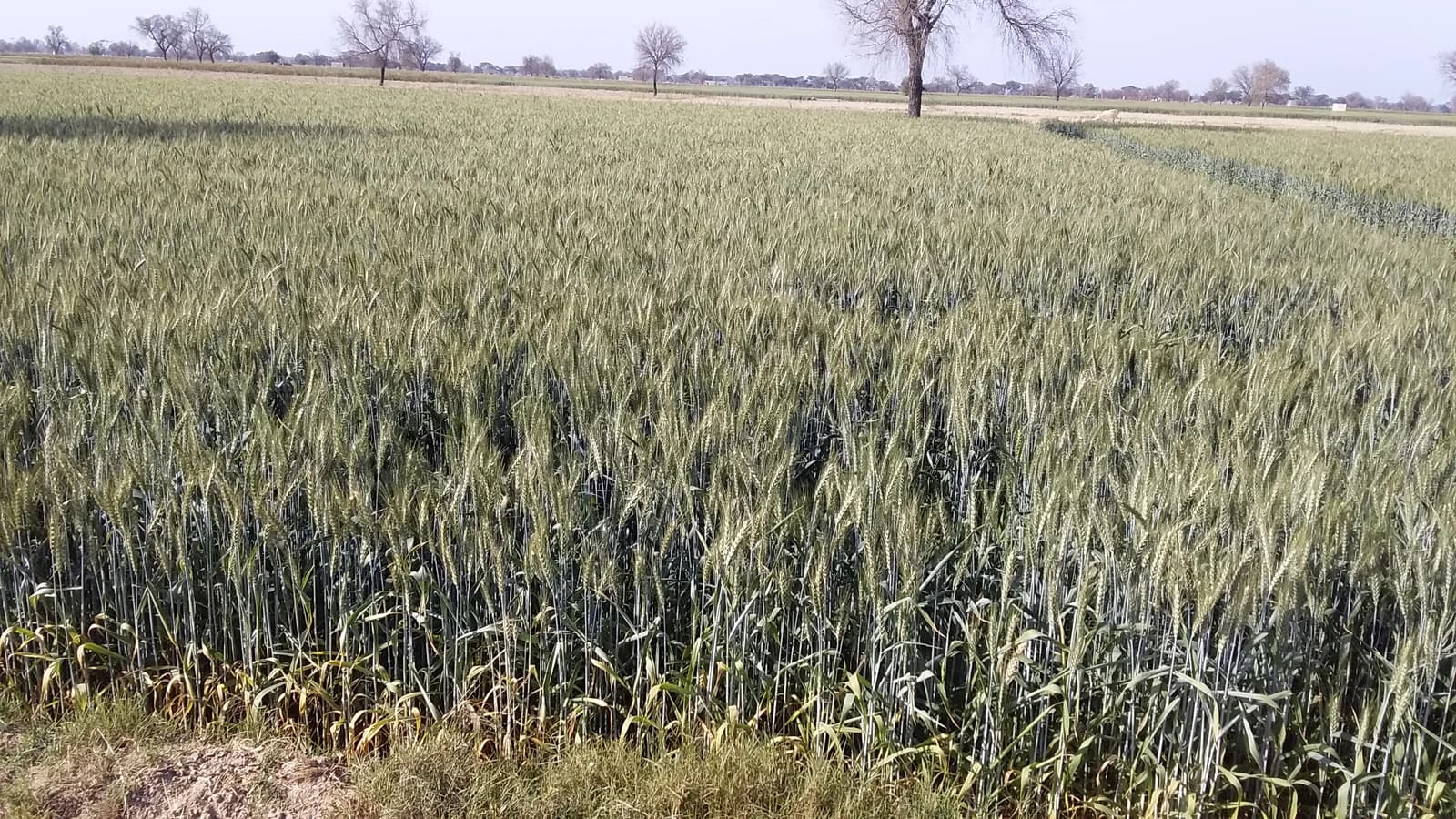
Nigeria’s annual wheat output has climbed to 420,000 metric tonnes from 120,000 tonnes after the government rolled out subsidised inputs under its National Agricultural Growth Scheme and Agro-Pocket programme, a gain that matters because it nudges the country closer to food security in a crop it still relies on imports to supply.
Nigeria wheat output rises to 420,000 tonnes
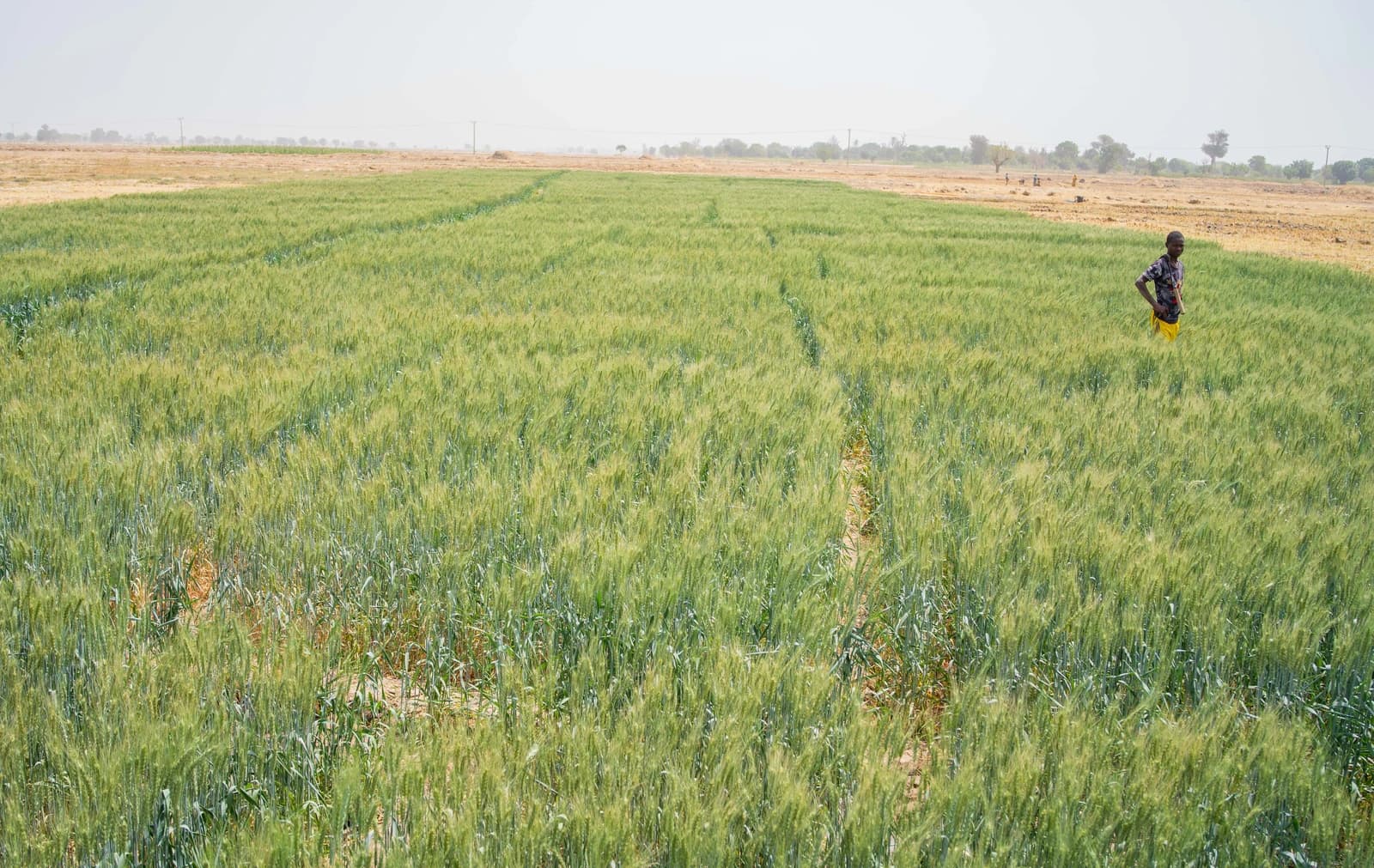
The increase, disclosed by Ademola Adenle, senior special adviser on agriculture and innovation to the agriculture minister, is economically significant because wheat is one of Nigeria’s most import-dependent staples, making domestic output a direct lever on the food import bill, inflation and pressure on foreign exchange. If sustained, the rise could help cushion bakeries, noodle makers and households from some of the volatility that has kept food costs elevated.
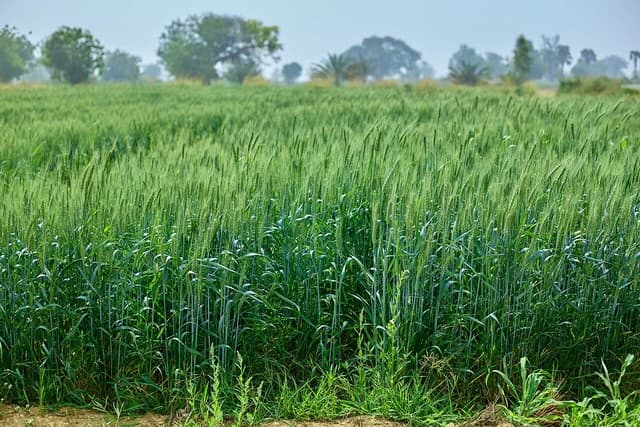
The government says the NAGS-AP scheme, part of President Bola Tinubu’s Renewed Hope agenda, works by delivering fertilisers, improved seeds, chemicals and extension support to smallholder farmers through agro-dealers. That is the kind of intervention that can lift yields quickly in a fragmented farm sector where most growers still cultivate just 0.5 to two hectares and face structural barriers to productivity.
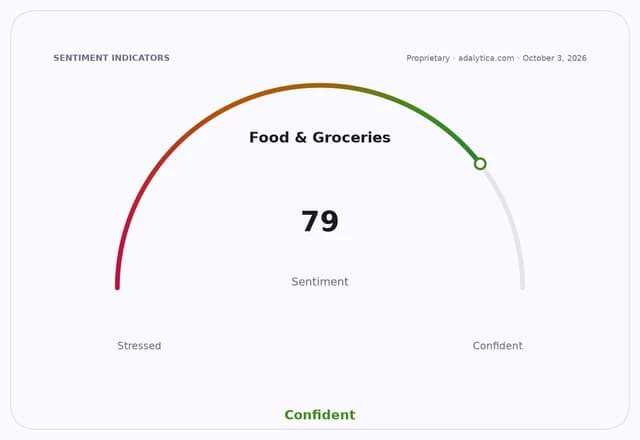
For investors and traders, the story is less about one season’s crop and more about whether Nigeria can turn a one-off production jump into a durable supply shift. A larger domestic wheat crop is a modest negative for importers and global grain exporters if replicated at scale, while it is a positive for local millers and food manufacturers that have been squeezed by currency weakness and elevated grain costs. It also intersects with broader agricultural market signals that have recently pointed to firmer food spending and continued volatility in global wheat prices.
The government is also signalling that input subsidies are only part of the plan. Adenle said reforms are coming to address the Land Use Act, which officials blame for slowing access to land and limiting the scale of farm operations. That matters because input support can raise output only so far if land access, storage, transport and marketing remain constrained.
The bullish case is that Nigeria is beginning to build a more productive wheat base and reduce dependence on imports over time. The bear case is that gains remain vulnerable to policy inconsistency, weak infrastructure and the smallholder structure of the sector, making the 420,000-tonne figure an improvement rather than a breakthrough. The key test will be whether the government can sustain yields through the next planting cycle and translate subsidy-driven gains into broader sector reform.
| Entity | Gains | Losses |
|---|---|---|
| Nigerian wheat farmers | ▲Higher yields | ▼Input shortages easing |
| Local millers and bakeries | ▲Lower import reliance | ▼Persistent price volatility |
| Nigerian government | ▲Food-security credibility | ▼Pressure to fund reforms |
| Global wheat exporters | ▲— | ▼Smaller Nigerian import demand |