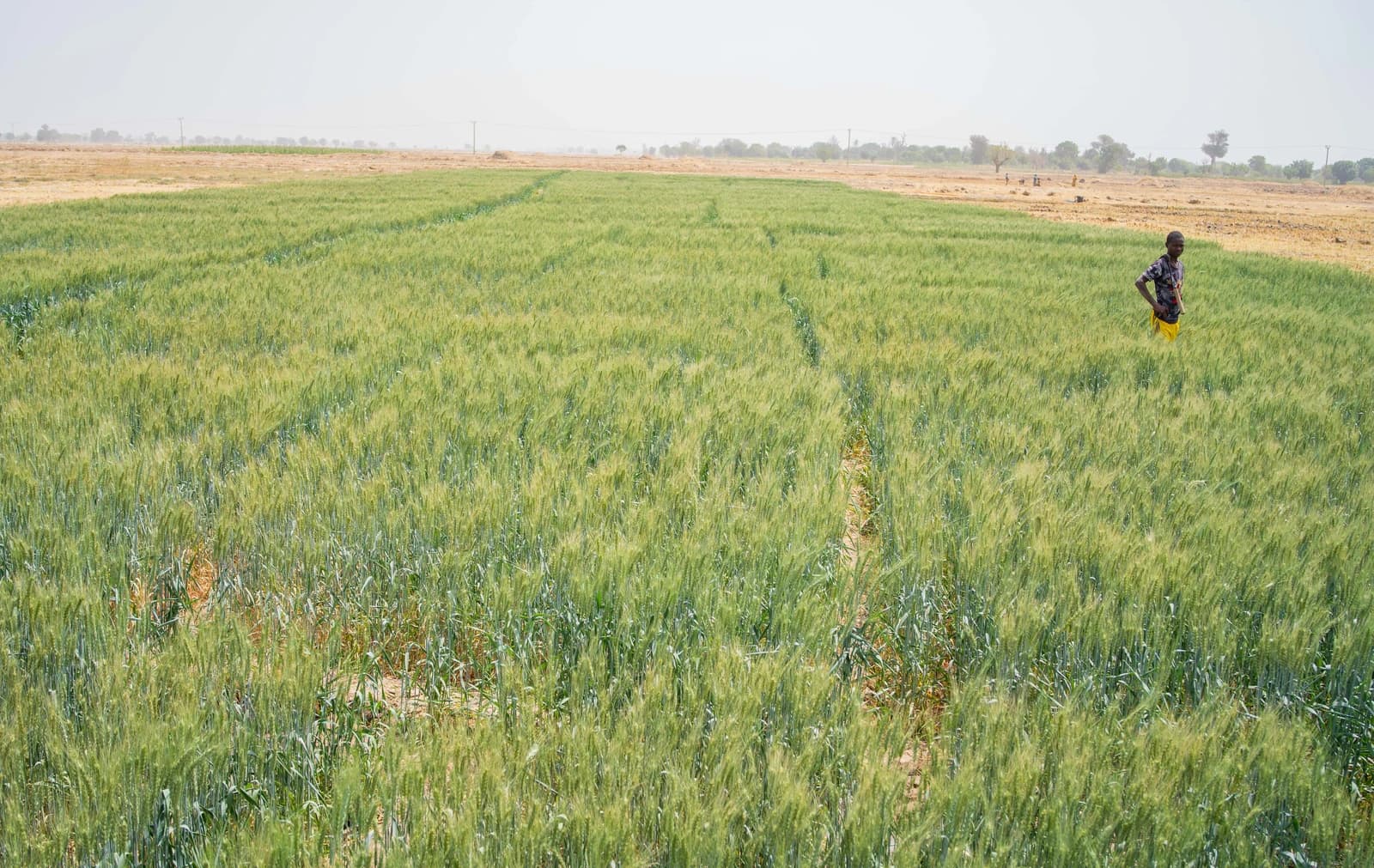
The Modi government has approved a ₹50 crore subsidy on wheat seeds for Punjab farmers, a move aimed at lowering input costs ahead of the next sowing cycle and signaling continued federal support for one of India’s most politically sensitive farm states.
Modi Govt Approves ₹50 Crore Wheat Seed Subsidy
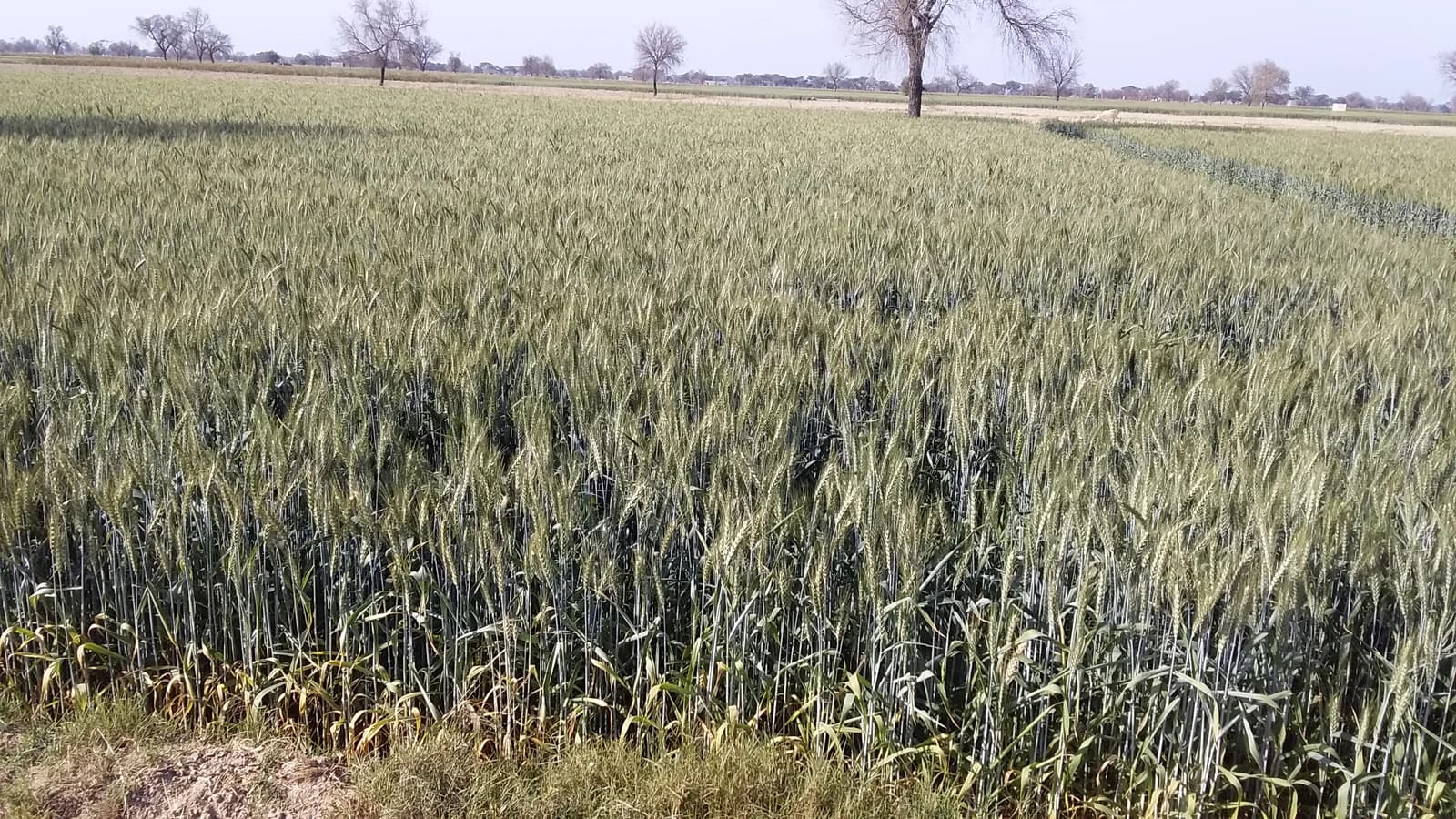
Punjab BJP leaders said the package is meant to ease the pressure on growers facing higher seed, fertilizer and fuel costs, while reinforcing New Delhi’s message that it remains committed to farmer welfare in the grain belt. For farmers, the direct benefit is simple: cheaper seed purchases at a time when margins are tight and crop economics remain vulnerable to weather, procurement policies and production costs.
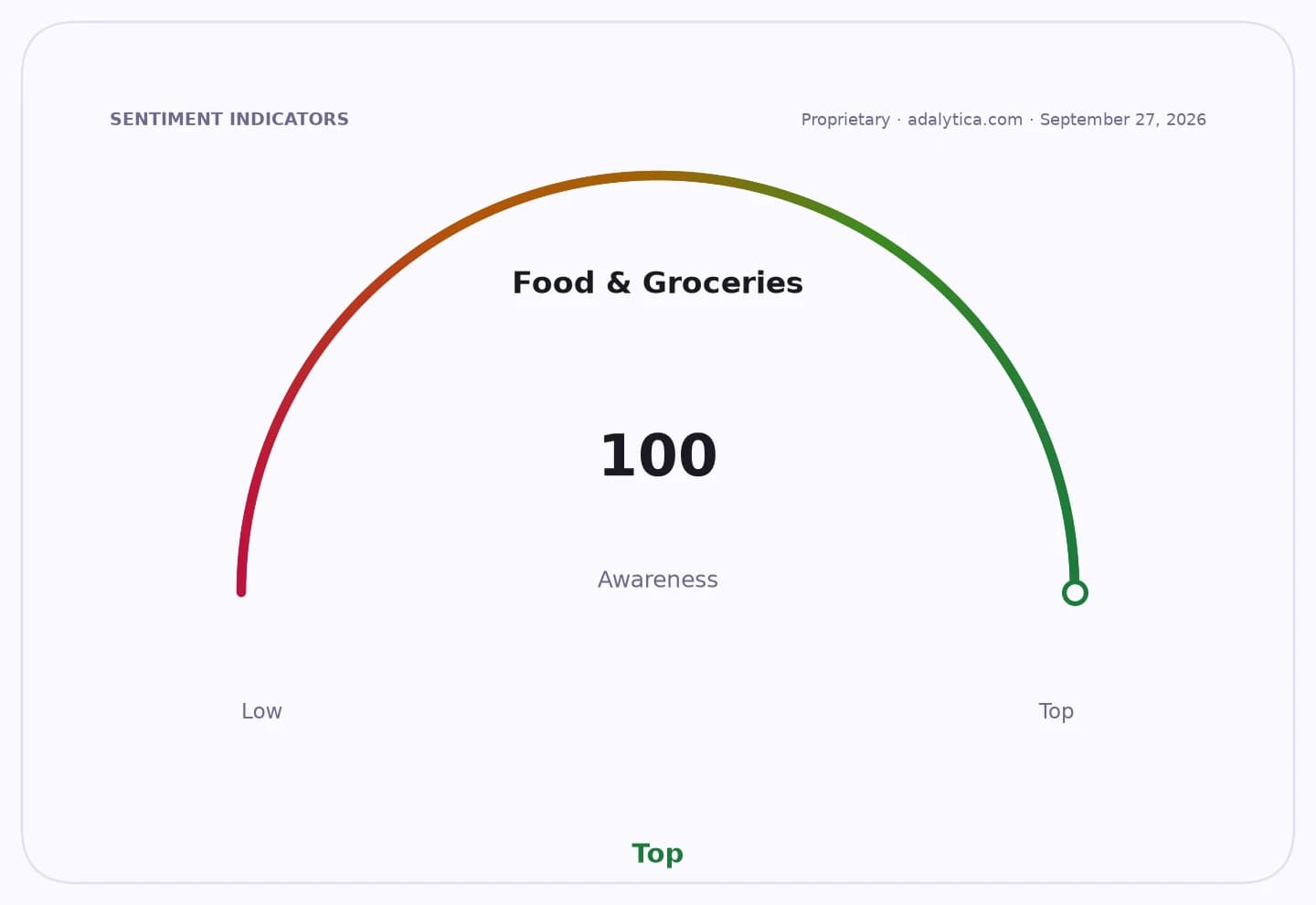
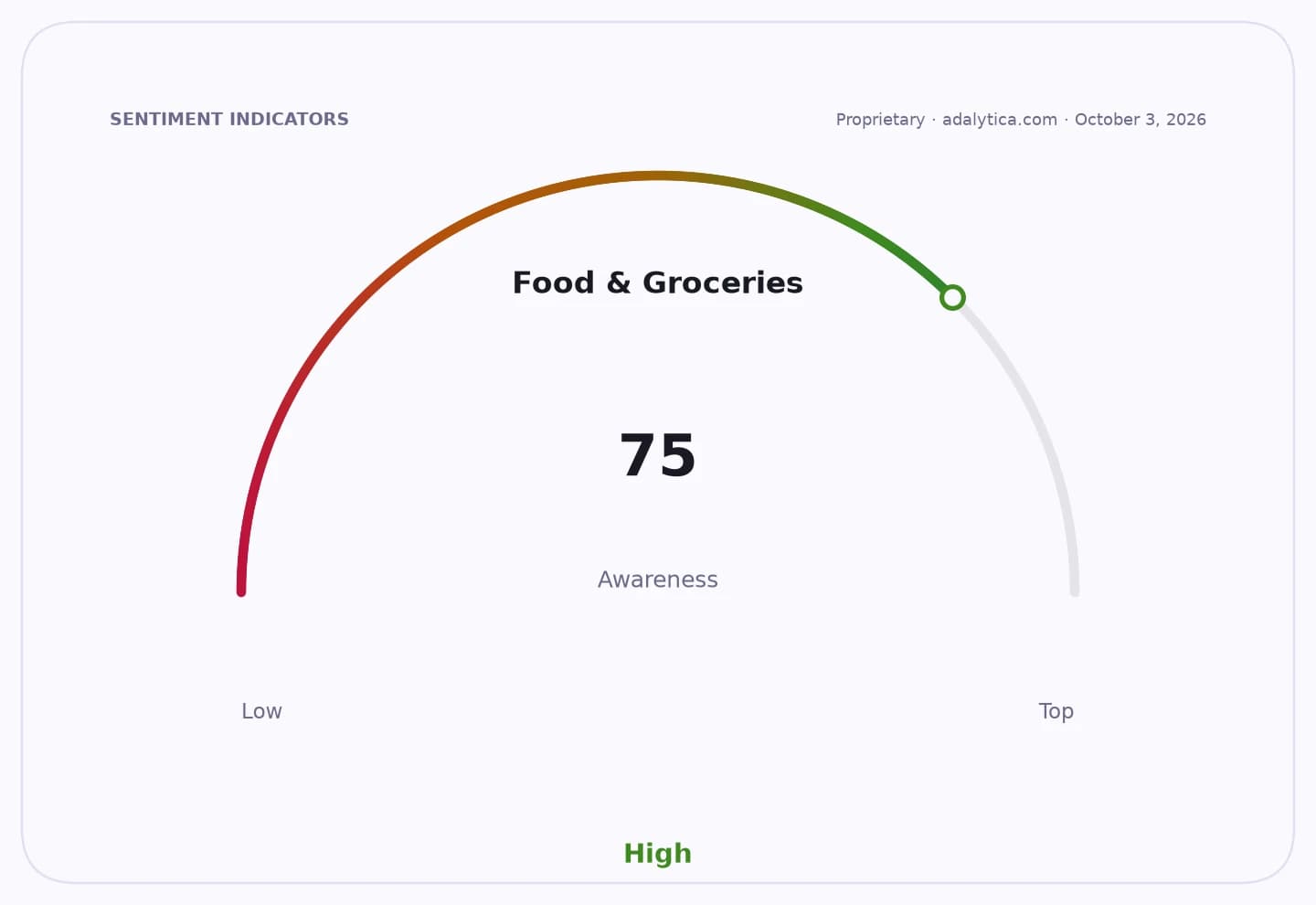
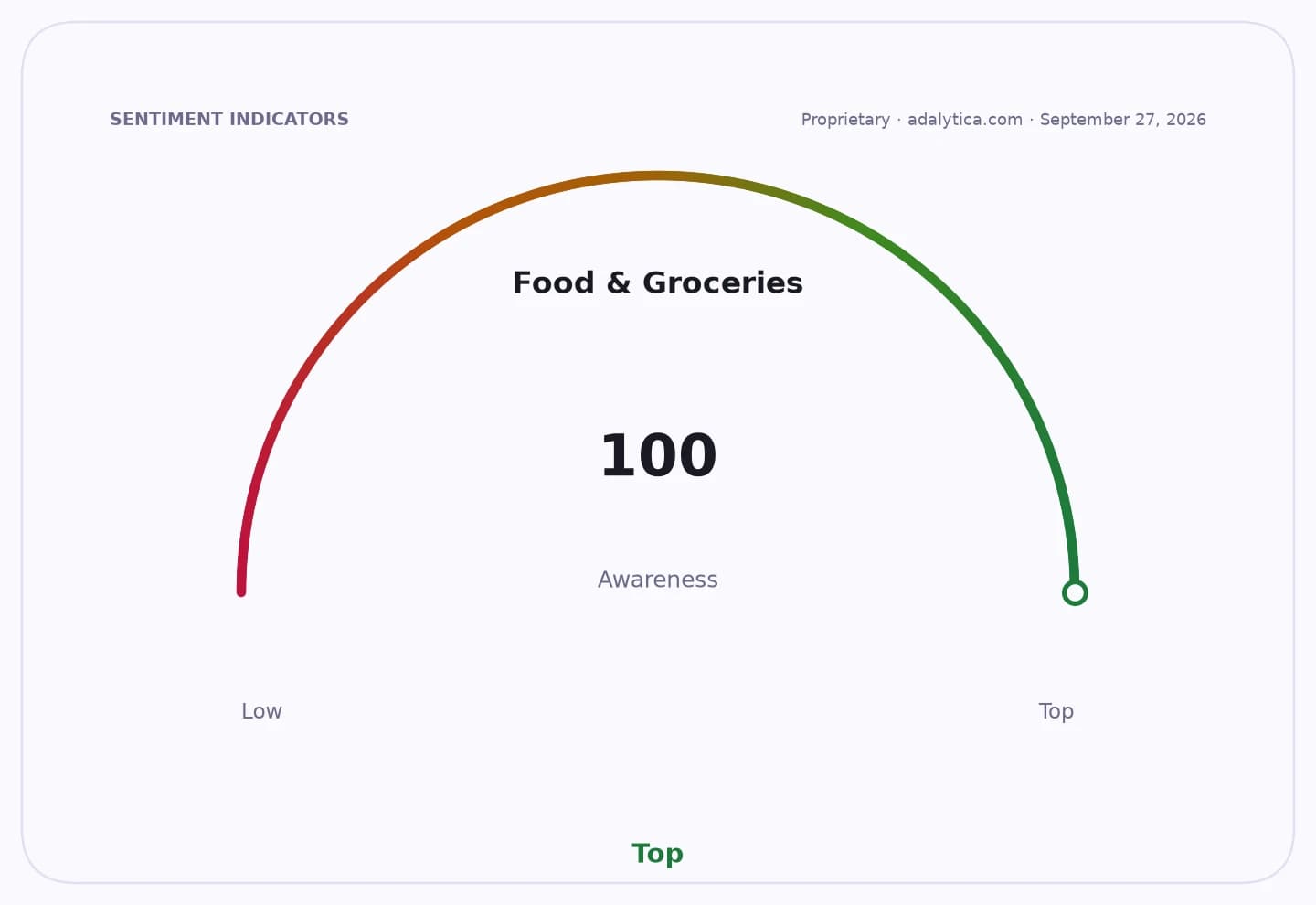
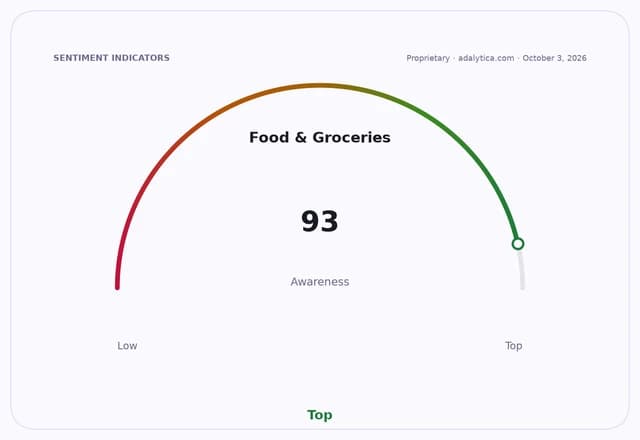
Sentiment IndicatorsⓘProprietary · adalytica.com · October 3, 2026
This is a snapshot — live sentiment, awareness and momentum for 130+ markets update continuously in the dashboard.Open AlphaPulse
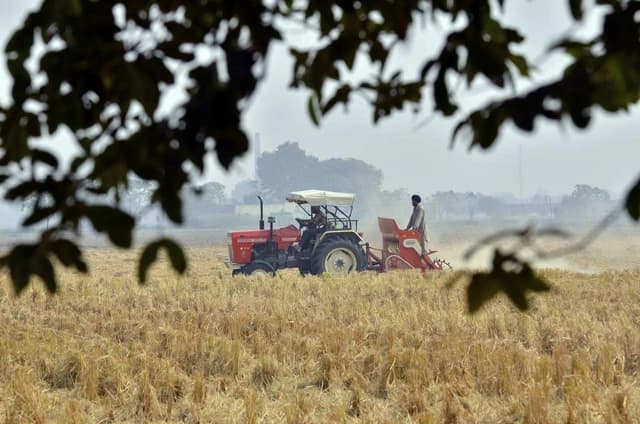
The announcement matters beyond one state because Punjab is central to India’s wheat supply and to the government’s wider food-security strategy. Any policy that supports acreage, yields and sowing incentives in Punjab has knock-on effects for procurement volumes, public stocks and domestic wheat availability, especially after years of volatility in crop prices and inflation in food items.
For investors, the immediate impact is more indirect but still relevant. Lower farm input costs can support rural spending, improve sentiment in agribusiness supply chains and help stabilize crop output expectations, which feeds into agricultural commodity pricing and food inflation outlooks. Seed companies and farm input distributors may see some demand support if the subsidy accelerates purchases, though the policy also reduces the effective cost burden for growers.
The timing is notable as policymakers keep a close watch on food prices and farm incomes. Any step that helps prevent a weaker wheat sowing response can ease pressure on the broader agricultural economy and reduce the risk of supply disruptions later in the season.
Further details on implementation, eligibility and distribution are likely to determine how much of the ₹50 crore package reaches farmers before sowing intensifies.
| Entity | Gains | Losses |
|---|---|---|
| Punjab farmers | ▲Lower input costs | ▼Less out-of-pocket spending |
| Modi government | ▲Rural goodwill | ▼Higher subsidy bill |
| Wheat seed suppliers | ▲Higher offtake volumes | ▼Lower effective selling price |
| Consumers and food policymakers | ▲More stable wheat supply | ▼Less room for price shocks |