Pakistan’s cotton industry is pushing for a government-backed campaign to lift yields, a move that matters because the country’s textile chain still depends on a crop that has fallen behind even as demand for fiber and export earnings remain critical to the economy.
Pakistan Cotton Industry Seeks Yield-Lift Campaign

The Pakistan Cotton Ginners Association is urging authorities to launch a nationwide drive to revive the cotton economy, arguing that yields could be doubled with better technology, new cultivars and wider adoption of modern farming practices. That is more than an agricultural slogan: in Pakistan, cotton feeds gins, mills, exporters and rural incomes, so higher productivity would ease pressure on import demand, improve farm economics and strengthen a sector central to foreign-exchange generation.
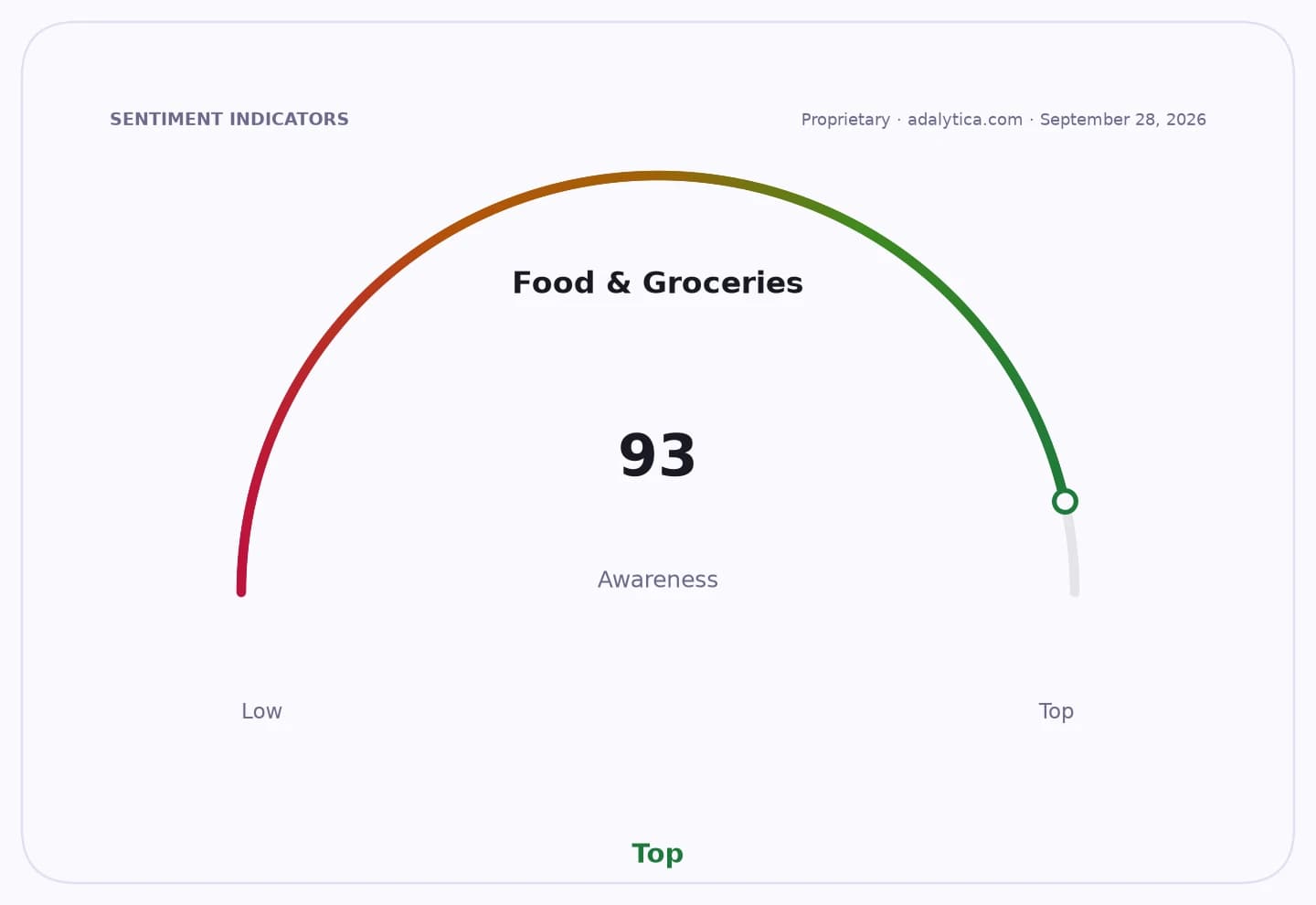
Sentiment IndicatorsⓘProprietary · adalytica.com · September 28, 2026
This is a snapshot — live sentiment, awareness and momentum for 130+ markets update continuously in the dashboard.Open AlphaPulse
The timing is important. The industry is heading into a harvest with expectations for only a modest increase in planted area, which means area alone is unlikely to solve the supply problem. If output is to recover meaningfully, the change has to come from yield. That makes seed quality, crop protection, irrigation efficiency and extension support the real economic battleground, not just acreage statistics.
For investors, the issue reaches beyond farms. Better cotton yields would support domestic textile margins, reduce volatility in raw-material costs and potentially curb reliance on imported fiber. That would be constructive for mills and exporters, while also benefiting agri-input suppliers and equipment providers tied to more intensive farming. The flip side is that prolonged underinvestment in productivity would keep the sector exposed to supply shortages, pricing spikes and policy appeals for emergency intervention.
Technically, the broader market backdrop remains supportive for risk assets, with the S&P 500 showing “Extreme Greed” in Adalytica’s trade-signal snapshot, while consumer-spending sentiment sits at neutral. For cotton, though, the decisive variable is not market appetite but policy execution. If Islamabad follows through with a coordinated upgrade in seed technology, agronomy and farmer support, the payoff could be structural. If not, Pakistan’s cotton deficit will remain a drag on the textile economy and a recurring headwind for the trade balance.
| Entity | Gains | Losses |
|---|---|---|
| Cotton growers | ▲Higher yields, better farm income | ▼Low productivity, crop losses |
| Textile mills | ▲steadier fiber supply | ▼raw-material shortages |
| Government | ▲stronger farm output, lower import pressure | ▼pressure to subsidize imports |
| Input suppliers | ▲more demand for seeds and technology | ▼status quo low-tech farming |