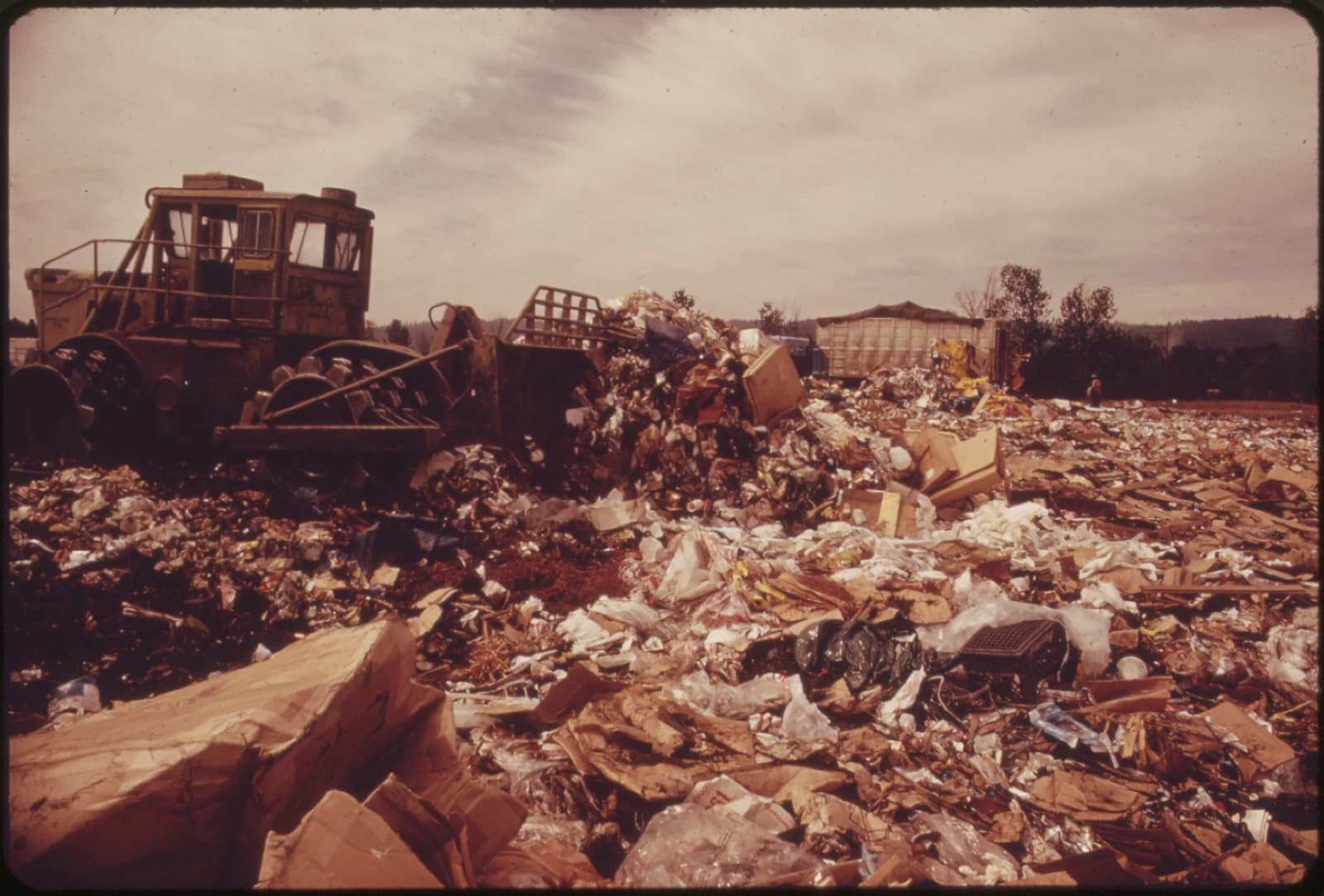
Sharqia province is turning agricultural waste into an economic asset, a shift that could boost farmer incomes, curb pollution and create a small but meaningful new revenue stream in rural Egypt.
Sharqia Reuses Crop Waste for Bio-Plastic Inputs
Governor Hazem Al-Ashmouni said the province is stepping up field visits, technical support and farmer education to raise production and maximize the value of crop residues. That matters because in agriculture, waste is often just a cost — until it becomes feedstock, compost, fuel or industrial input.
Sentiment IndicatorsⓘProprietary · adalytica.com · September 28, 2026
This is a snapshot — live sentiment, awareness and momentum for 130+ markets update continuously in the dashboard.Open AlphaPulse
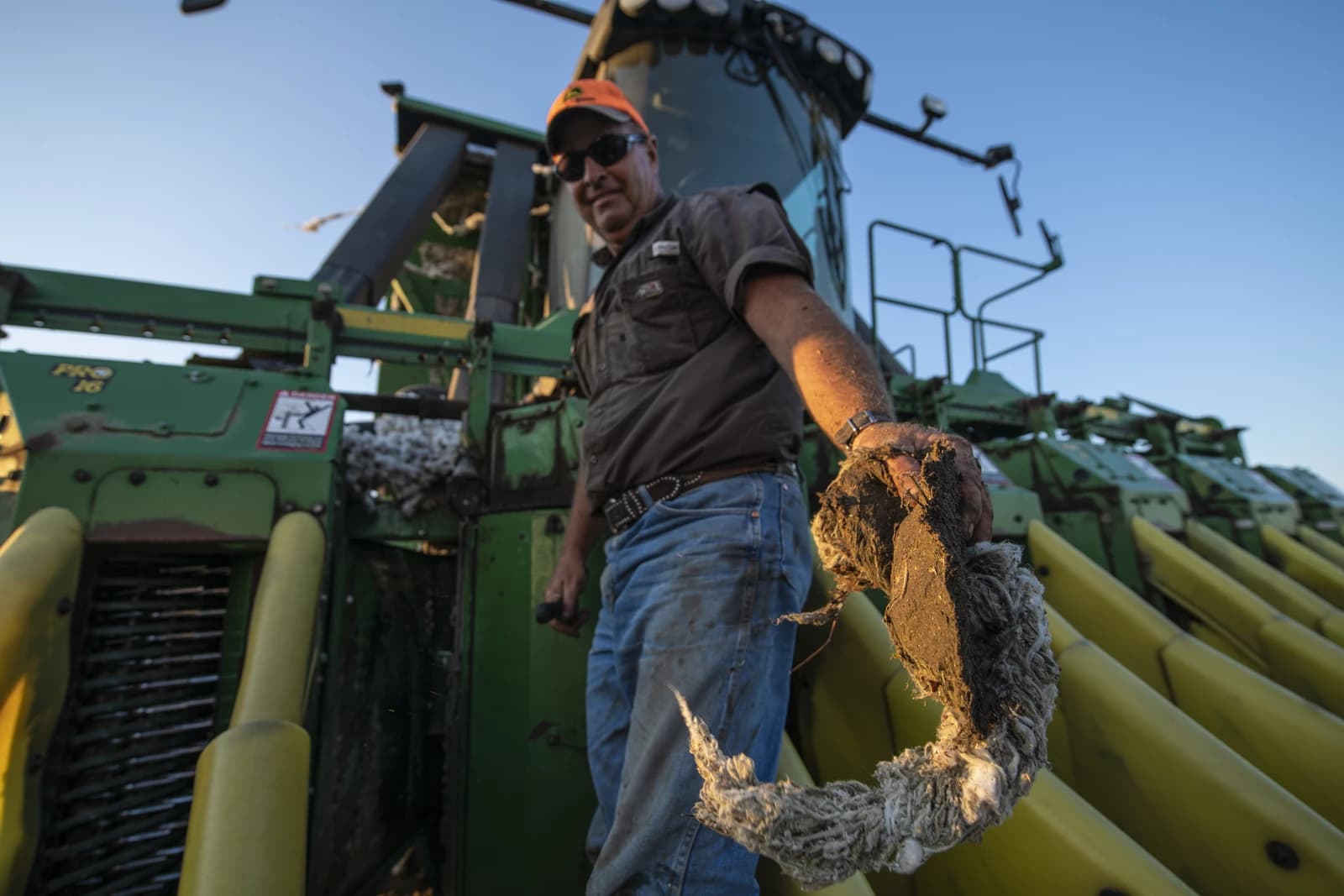
The local agriculture directorate said teams have been visiting rice-straw collection centers in Abu Hammad, monitoring rice and cotton fields, and following up on agricultural activity in Abu Kabir, Husseinia and Faqous. Officials are also using field days to teach farmers best practices for mechanical harvesting, a practical step that can reduce crop losses and improve yields while giving rice straw a higher economic value.
The bigger long-term opportunity is in waste reuse. Sharqia officials highlighted efforts to recycle plant residues from grapes and palm trees into bio-plastic, citing their chemical composition, antioxidant content and ultraviolet resistance, as well as their ability to decompose in soil without leaving harmful residues.
For investors, the story is not about a single province’s farm tour. It is about a broader emerging theme across emerging markets: agricultural waste is increasingly being treated as a resource rather than a disposal problem. That has implications for fertilizer makers, bio-based materials developers, farm equipment suppliers and waste-management businesses that can help turn residues into profitable inputs.
The economic logic is straightforward. Rice straw, grape pruning and palm waste are plentiful, low-cost raw materials. If collection, transport and processing improve, they can support value-added industries in plastics substitutes, organic soil amendments and biomass products. That could lift rural incomes, reduce open burning and lower environmental costs at the same time.
There are still real hurdles. Recycling agricultural residues at scale requires logistics, training and investment in processing infrastructure. Without that, the opportunity stays local and fragmented. But the direction is clear: as policymakers push farmers toward more efficient harvesting and residue reuse, the winners are likely to be those that can build businesses around the circular agricultural economy.
For long-term investors, that makes Sharqia’s initiative worth watching as part of a much larger trend in sustainable agriculture and bio-based manufacturing. The immediate impact may be modest, but the compounding effect of better yields, less waste and new industrial uses could matter more over the next decade than it does today.
| Entity | Gains | Losses |
|---|---|---|
| Sharqia farmers | ▲Higher residue income | ▼Open-burning costs |
| Waste processors | ▲New feedstock supply | ▼Raw-straw scarcity |
| Bio-plastic makers | ▲Low-cost plant inputs | ▼Fossil-plastic dominance |
| Environment/public health | ▲Less agricultural waste | ▼Pollution from dumping |