Bangladesh’s 17.4% diesel price increase is set to raise farm costs just as fertilizer shortages are already straining growers ahead of the autumn harvest and the next boro planting season.
Bangladesh diesel price hike raises farm costs
The government lifted the retail price of diesel to 135 taka a litre from 115 taka, an increase of 20 taka, effective Sept. 21, in its biggest diesel adjustment since August 2022. The move comes after higher import costs for fuel following the Israel-Iran war and passes those costs on to consumers at a moment when diesel is central to Bangladesh’s farm economy.
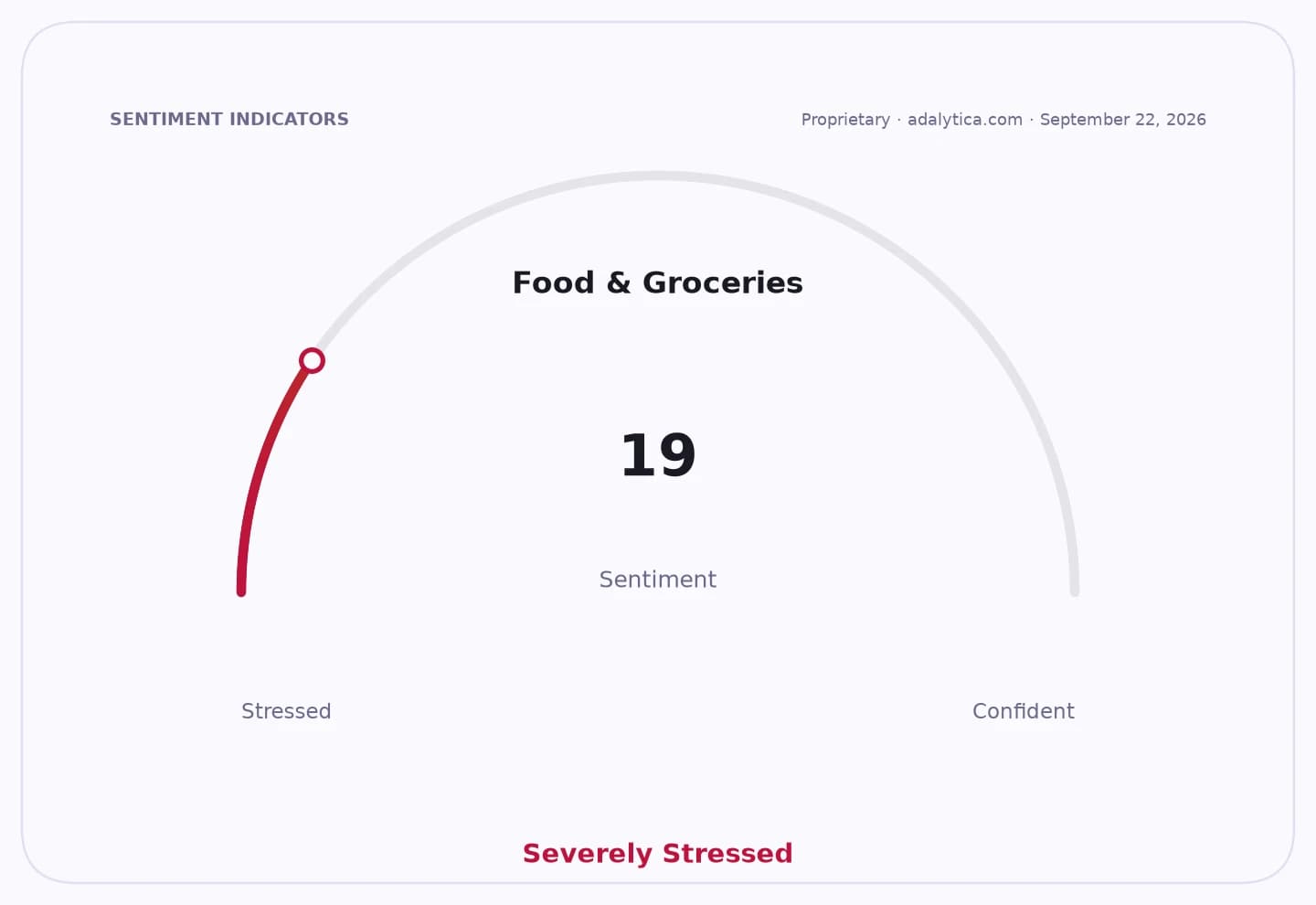
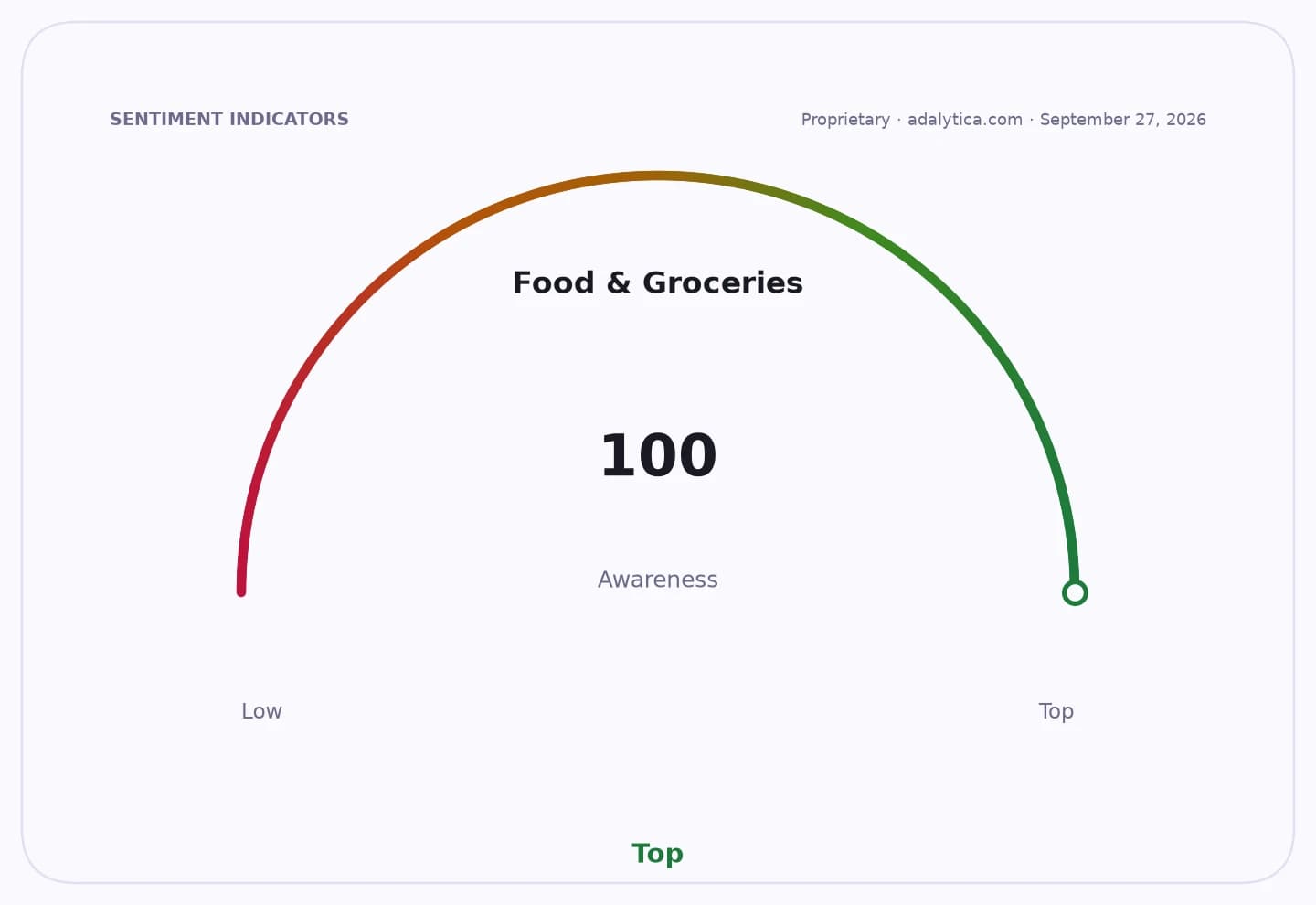
Sentiment IndicatorsⓘProprietary · adalytica.com · September 27, 2026
This is a snapshot — live sentiment, awareness and momentum for 130+ markets update continuously in the dashboard.Open AlphaPulse

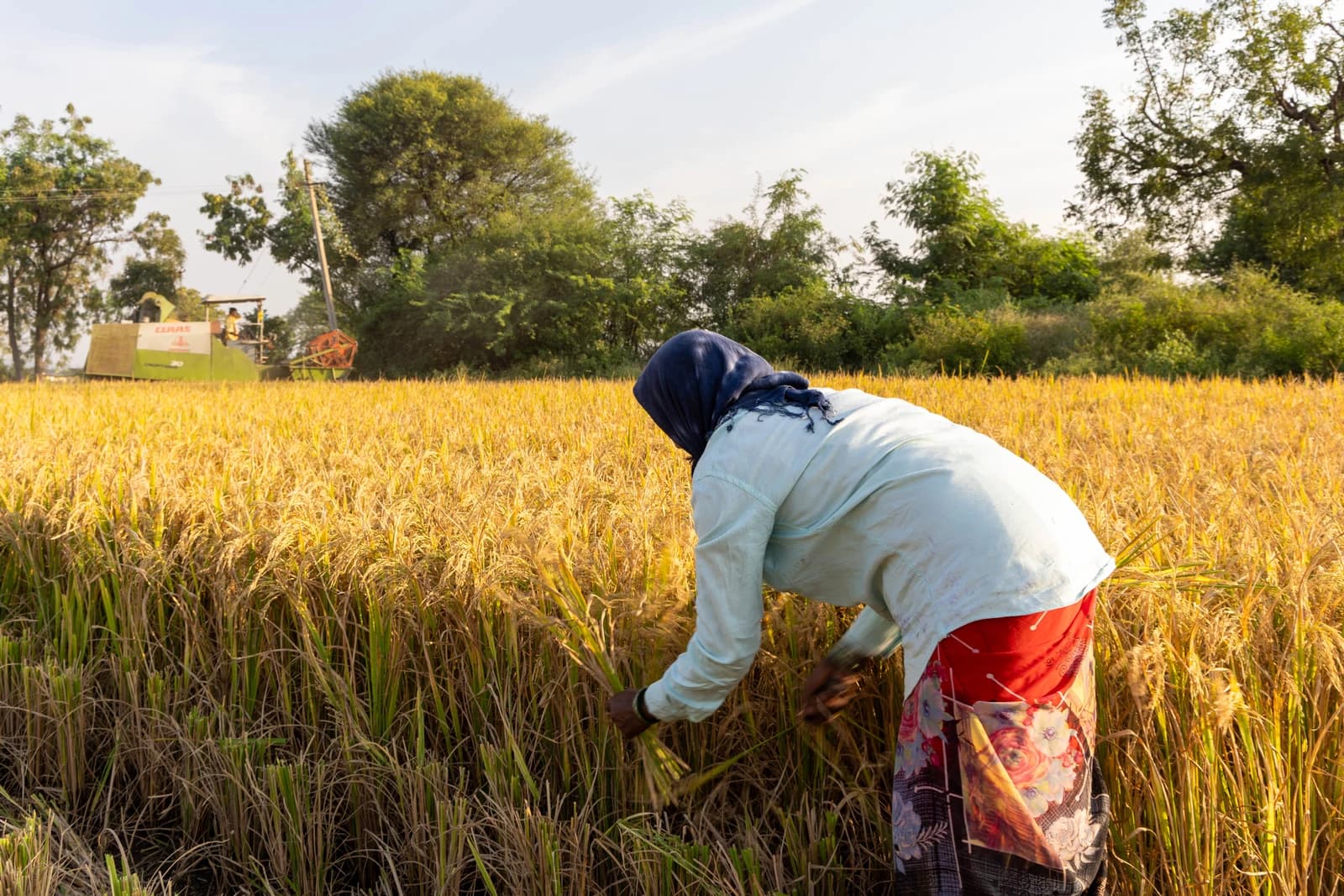
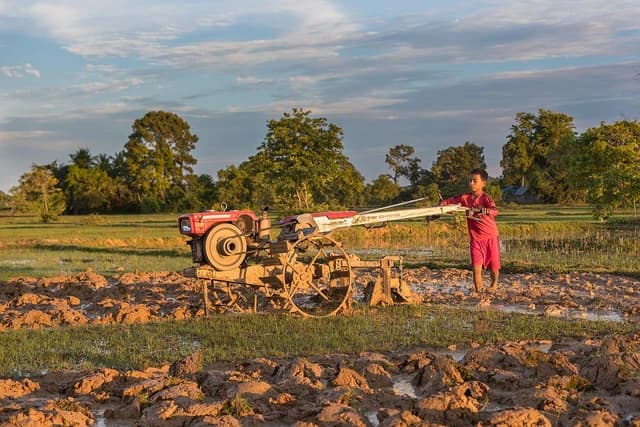
Diesel is used heavily in transport, irrigation and power generation, but its role in agriculture makes the timing especially sensitive. Farmers rely on diesel-powered pumps, tillers, combine harvesters and threshing machines for land preparation, irrigation, harvesting and processing. Bangladesh has more than 21 lakh agricultural machines, including 3.8 lakh power tillers and more than 12 lakh diesel-powered irrigation pumps, and state fuel company BPC says farm machinery consumes about 12.55 lakh tonnes of diesel a year, or more than 15% of national fuel use.
That means the price rise will feed directly into production costs at a time when growers in several districts are already facing fertilizer shortages. The pressure lands first on aman farmers now harvesting and on those preparing for boro, the country’s biggest rice crop and a season that depends heavily on mechanized irrigation and field work. Boro accounts for about 55% of annual rice output, making any hit to input costs economically significant for food supply.
The concern is not just farm profitability but broader inflation. Economists and agricultural experts warn that higher diesel costs could reduce output if farmers scale back cultivation, delay irrigation or cut spending on other inputs. That would tighten food supply and add to persistent price pressures in a country already coping with elevated inflation. The risk is particularly acute because farmers say they have yet to receive fair paddy prices in recent seasons, leaving little buffer to absorb a new round of cost increases.
Recent retail data underline the fragility of the rice market. Trading Corp. of Bangladesh said coarse rice sold in Dhaka for 50 to 55 taka per kilogram on Tuesday, down from 55 to 60 taka a year earlier, suggesting farmers are not getting a meaningful lift in output prices even as input costs rise.
Farmers interviewed in north and northwestern districts said the diesel move would hit shallow-tube-well irrigation hardest and could force some to reduce cultivation. “The biggest blow will be on us,” said Bablu Molla, a farmer in Harinakundu, Jhenidah, adding that irrigation costs would rise sharply just as he has struggled to recover production expenses in recent seasons.
Agricultural economists say the policy may need offsetting relief if the government wants to avoid a second-round hit to food prices. Jahangir Alam Khan, an ag economist, said cash support or subsidies for diesel used in farming would help cushion the shock and protect food security. Prof. Md. Rostom Ali of Bangladesh Agricultural University said farmers have little control over input prices and are likely to respond by cutting other spending or changing cultivation practices, both of which could lower incomes and output.
For investors, the key implication is that the diesel shock is not isolated to rural households. It points to a broader inflationary impulse that could keep food prices sticky, complicate monetary policy and pressure consumer spending. It also raises the odds of policy intervention, such as targeted fuel subsidies or farm support, if the government wants to prevent the cost shock from spilling into rice prices and social stress. The near-term watchpoints are fertilizer availability, boro planting plans and whether the authorities move to cushion the farm sector before the next planting cycle gets under way.
| Entity | Gains | Losses |
|---|---|---|
| Government fuel sellers | ▲Higher revenue per litre | ▼Political backlash |
| Farmers | ▲— | ▼Higher production costs |
| Consumers | ▲— | ▼Food inflation pressure |
| Rice wholesalers | ▲Potential supply tightness | ▼Margin squeeze from higher farm costs |