Dry spells and erratic rains are pushing back Ofada rice production in Ekiti State, forcing farmers to plant later, cut acreage and absorb heavier losses just as Nigeria leans more on imports to feed a growing population.
Ekiti Ofada Rice Output Falls on Erratic Rain

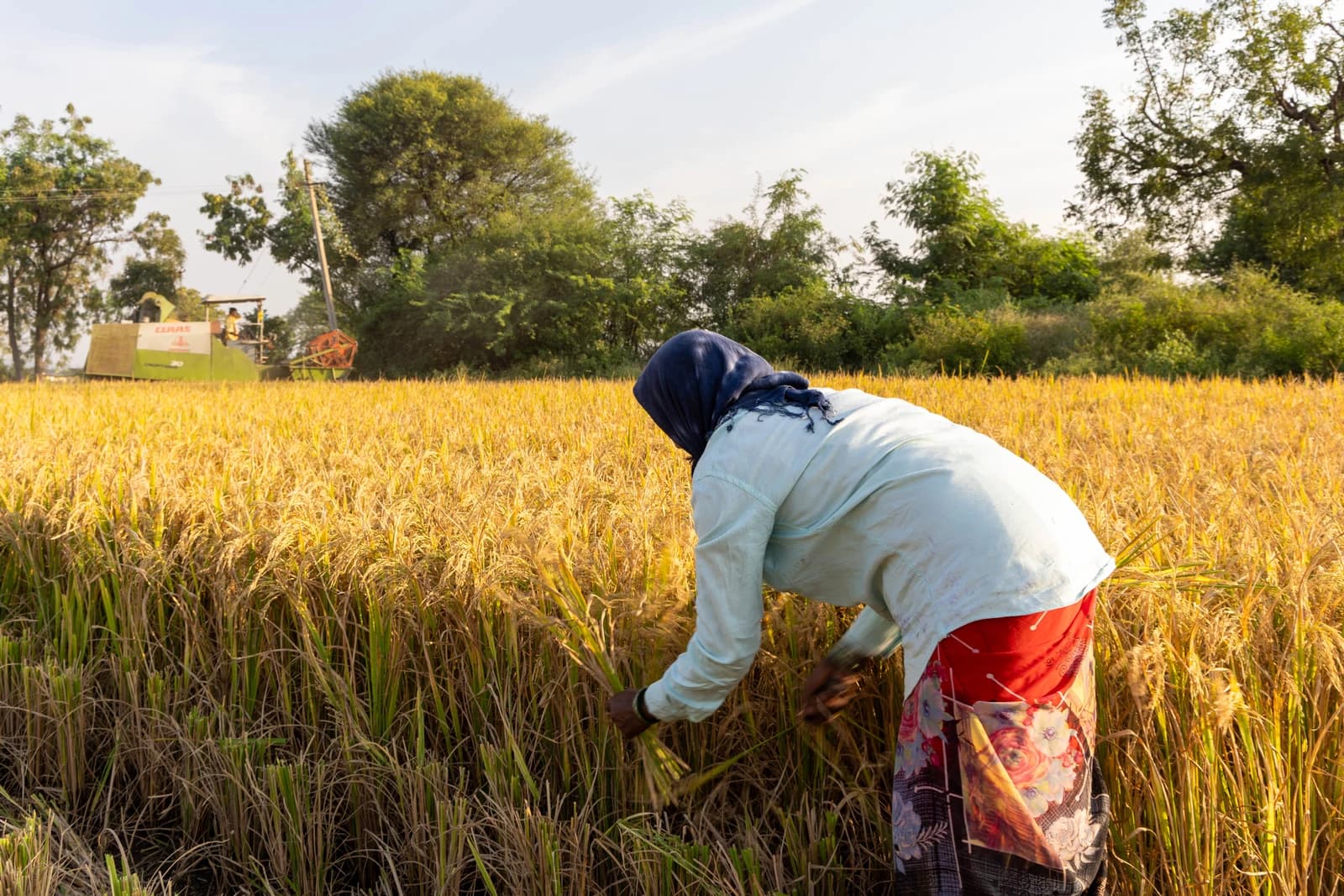
The production squeeze matters because Ekiti is one of the South-west’s key rice belts and upland Ofada farming still depends heavily on rainfall. Farmers in Orun, Igbemo, Aisegba, Ijan and nearby communities say the planting calendar has been disrupted for three straight seasons, with seeds rotting in the ground during delayed rains and swamp fields later washed out by flooding.

Abu Ibrahim, who raised one million naira to farm two hectares in 2024, said rain expected in April did not arrive until May, then stopped for more than 15 days. “The rice spoiled under the ground, and there was nothing to harvest,” he said. Isiaka Tajudeen said he harvested only eight bags from two hectares last year, far below the 11 to 13 bags a hectare farmers say they once got.
The losses are forcing a broader retreat from rice. Tunde Adeyemi, the Ekiti state chair of the Rice Farmers Association of Nigeria, said he has reduced cultivation from 60 to 70 hectares to just seven or eight hectares, with the cost of producing one hectare rising to N600,000-N700,000 from about N150,000. He said a hectare now yields only 2.5 to 3 tonnes, worth about N120,000-N130,000 a tonne, leaving little room for profit after fuel, labor and inputs.
The shift is being felt across the state’s farm mix. Many growers are moving acreage into maize and cassava, while some rice farmers are simply staying out of the crop entirely until the rains stabilize. That is a problem for a market where demand keeps rising: Nigeria consumed about 7.6 million metric tonnes of rice in 2024, but domestic production fell to 5.23 million tonnes, according to USDA estimates, and imports climbed to 2.4 million tonnes from 1.89 million a year earlier.
Ekiti officials say they are trying to respond with climate insurance, subsidies and new projects, including a rice mill and a planned Nigeria-Brazil technology partnership. But farmers interviewed for the report said they have seen little direct benefit, and some questioned whether the aid reaches ordinary growers rather than politically connected ones.
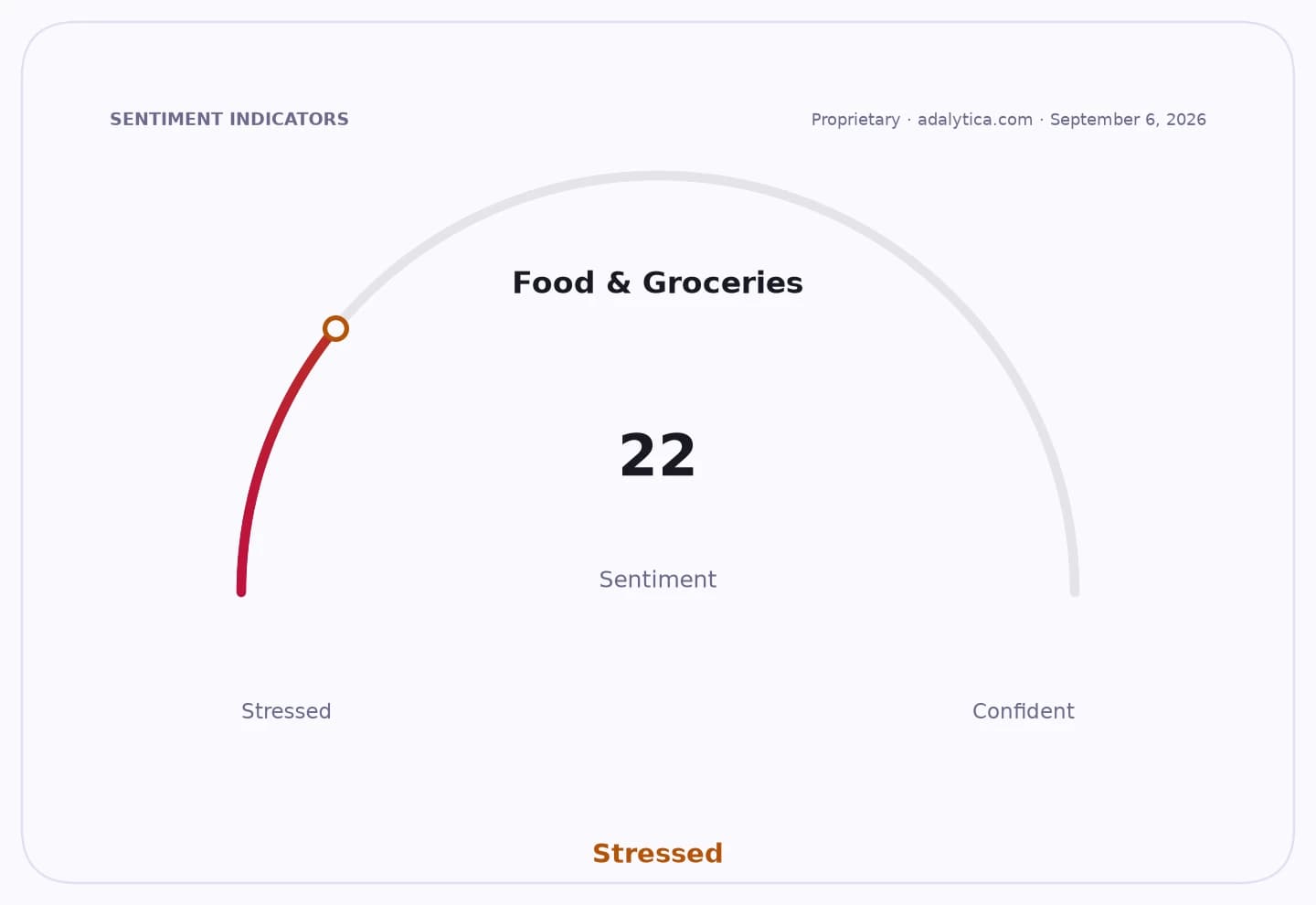
For investors and traders, the story reinforces a simple theme: climate volatility is no longer a seasonal nuisance in Nigerian agriculture, but a structural supply risk that supports grain imports, raises food-price pressure and keeps local rice value chains under strain. Any sustained recovery will likely depend on irrigation, drainage and insurance that actually reaches farmers, not just more fertilizer handouts.
| Entity | Gains | Losses |
|---|---|---|
| Rice importers | ▲Higher sales volumes | ▼Local competition |
| Ekiti farmers | ▲Potential insurance and climate aid | ▼Crop losses and higher costs |
| Nigerian consumers | ▲Possible supply from imports | ▼Higher rice prices |
| Local rice traders | ▲Premium for scarce Ofada rice | ▼Lower farm output supply |