Floodwaters in Ha Tinh province are turning what should have been harvest season into a race against time, with police, soldiers and local officials wading into rice fields to save nearly 50 hectares of ripe paddy from being ruined.
Vietnam Ha Tinh floods threaten rice harvest

That matters because rice is not just a local staple in Vietnam’s central provinces; it is a basic source of income for farm households and a key buffer for food prices in a country where weather shocks can quickly ripple through rural livelihoods and, eventually, consumer costs. When mature rice lies submerged for days, the risk is not abstract — yields fall, quality slips and the economic damage lands directly on farmers who can least afford it.
Sentiment IndicatorsⓘProprietary · adalytica.com · September 18, 2026
This is a snapshot — live sentiment, awareness and momentum for 130+ markets update continuously in the dashboard.Open AlphaPulse
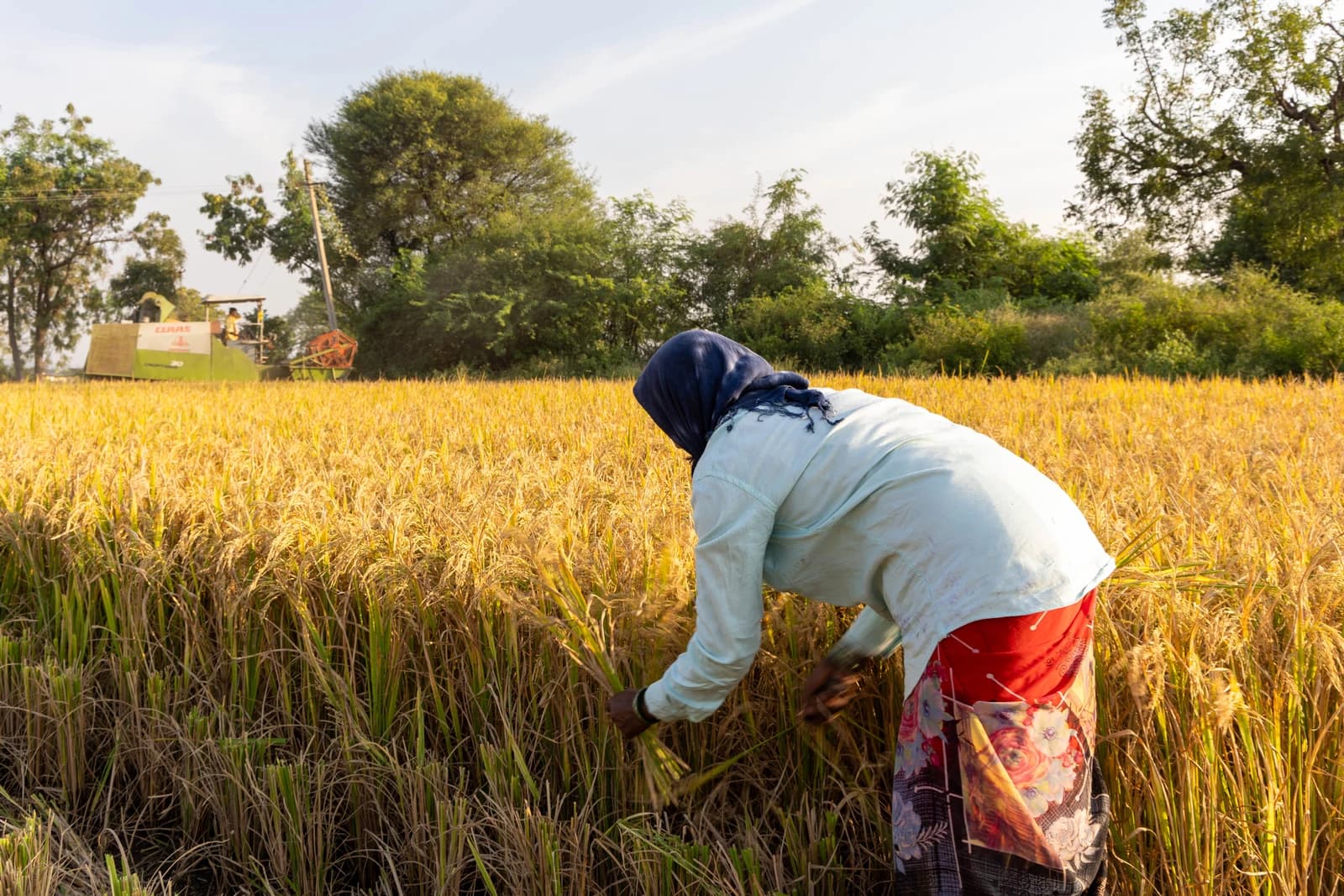
In Ky Anh commune, heavy rain from Sept. 12 to 15 pushed rice that was almost ready for harvest into flooded fields, according to local authorities. Officials said about 50 hectares in the villages of Ky Phu and Ky Long were lodged and waterlogged, prompting an emergency mobilization to bring in the crop before it spoiled.
The response highlights how climate volatility is becoming an agricultural risk as much as a humanitarian one. Vietnam’s rice sector has repeatedly faced pressure from flooding, high tides and erratic rainfall, and similar emergency harvests have been reported elsewhere in the country as officials try to limit losses. In a broader sense, every hectare rescued helps preserve rural cash flow, support household spending and reduce the odds that weather-related food losses feed into inflation down the line.
Food & Groceries — 30-day sentimentadalytica.com
Explore this data interactively — full history, time series and cross-market comparisons.Open AlphaPulse
For investors, the immediate read is less about a single commune and more about the durability of the food system. Persistent flood damage can tighten local supply, raise logistics costs and keep pressure on agricultural commodities, even when global grain markets are otherwise calm. That is one reason food companies, traders and input suppliers continue to treat weather as a balance-sheet issue, not just a seasonal inconvenience.
The long-term lesson is straightforward: resilience in agriculture is becoming investable. Farmers, policymakers and companies that can adapt to heavier rain, drainage failures and more frequent crop disruptions will be better positioned over time. For now, the key question is whether emergency response remains enough — or whether Vietnam and other rice-producing regions will need more lasting investment in flood control, storage and harvest logistics. That makes this a story worth watching for investors with a long view.
| Entity | Gains | Losses |
|---|---|---|
| Farmers in Ky Anh | ▲Saved crop value | ▼Flood damage risk |
| Police and military | ▲Public trust | ▼Labor burden |
| Rice consumers | ▲Lower shortage risk | ▼Possible price pressure |
| Food and grain buyers | ▲Supply preserved | ▼Higher weather risk |