A bigger share of discarded aluminum is slipping into U.S. landfills, but that shortfall could also become a domestic supply opportunity for recyclers, smelters and manufacturers that need reliable metal feedstock.
U.S. Aluminum Recycling Gaps Create Supply Opportunity
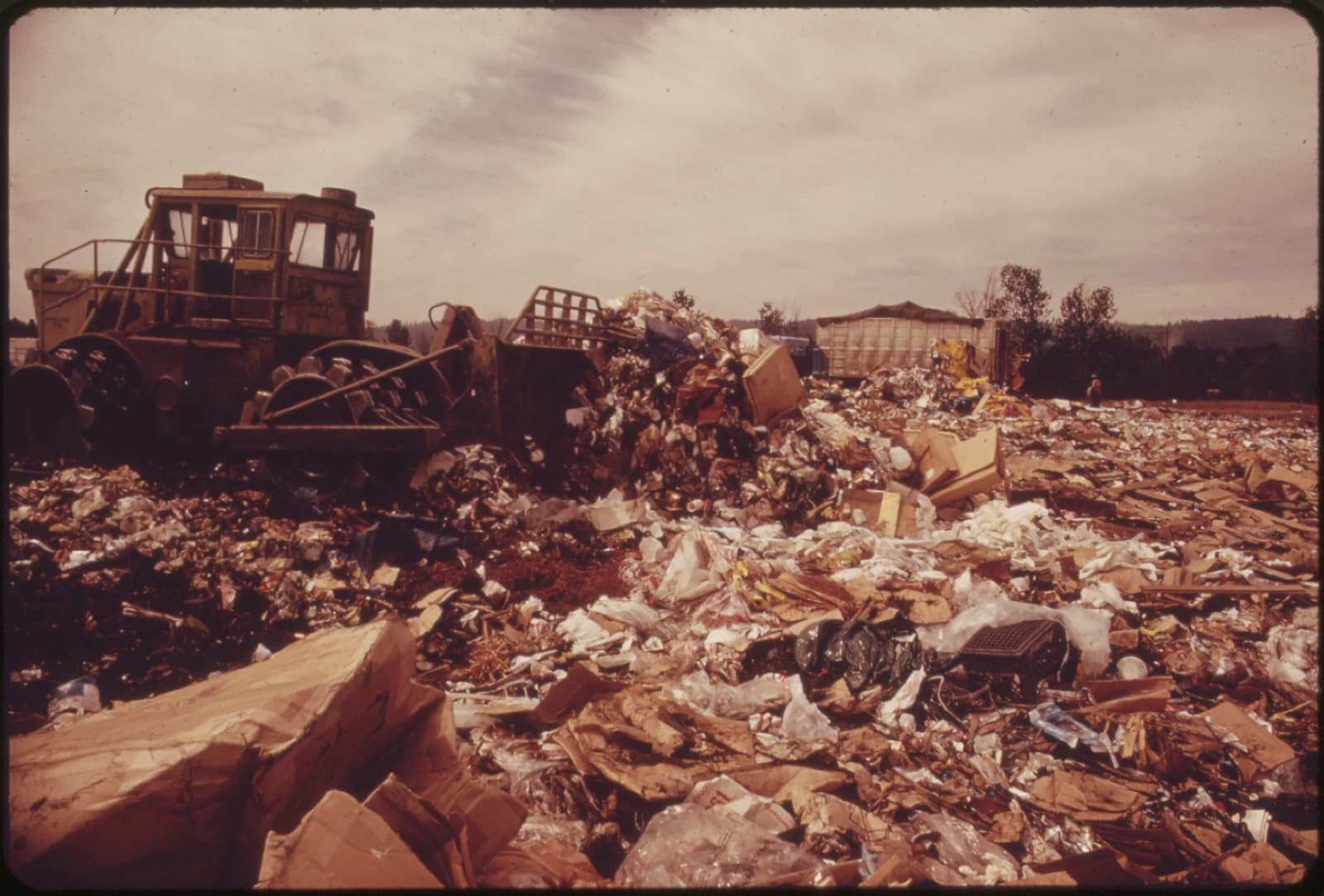
That matters because aluminum is one of the easiest industrial metals to recycle, yet the U.S. still wastes value when cans, scrap and other aluminum products are buried instead of recovered. Every ton diverted from a landfill can reduce the need for energy-intensive primary production, lower import dependence and help cushion North American supply chains that are still sensitive to power costs, labor disruptions and global metal pricing.
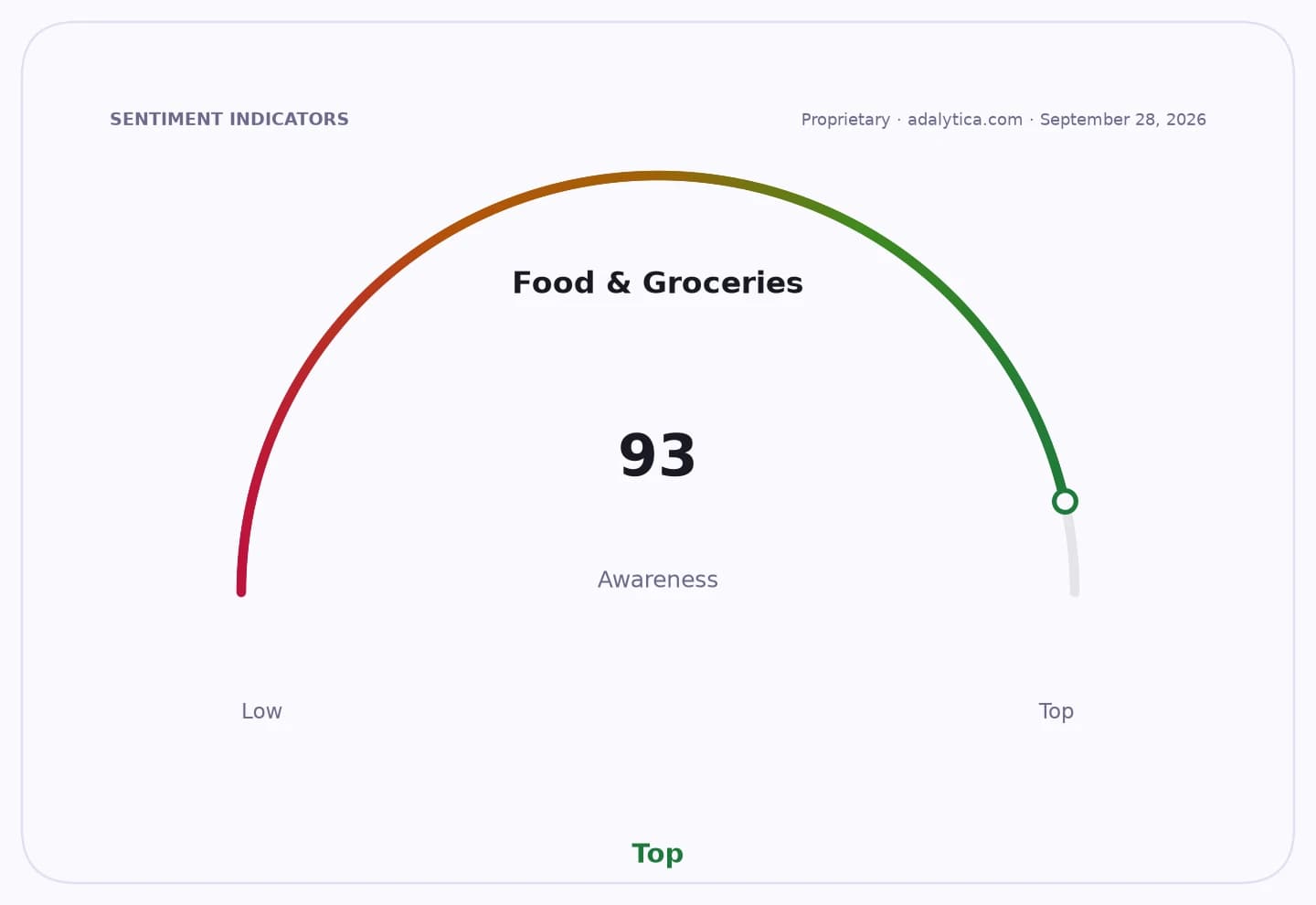
Sentiment IndicatorsⓘProprietary · adalytica.com · September 28, 2026
This is a snapshot — live sentiment, awareness and momentum for 130+ markets update continuously in the dashboard.Open AlphaPulse
The backdrop is a market that has rewarded aluminum producers this year but remains vulnerable to swings in the physical supply chain. Alcoa, Century Aluminum and Kaiser Aluminum have all seen their shares move sharply in recent months as investors weighed tight supply, operating leverage and the durability of demand from packaging, transportation and industrial customers. Alcoa’s stock, for example, jumped from the low $40s to above $80 in June before retreating, while Century Aluminum surged above $60 and Kaiser reached nearly $195 before pulling back. Those moves show how quickly investors reprice aluminum names when supply or demand expectations change.
The economic case for recycling is straightforward. Aluminum is far cheaper to remelt than to make from bauxite, and that cost gap widens when energy prices or carbon costs rise. If more of the material now lost to landfills can be captured, the U.S. could strengthen a domestic circular economy that supports scrap haulers, material recovery facilities, remelters and downstream manufacturers. Waste management companies also stand to benefit, since more sorting and recovery means more value from what used to be disposal-only business.
The operating numbers in the broader economy reinforce the opportunity. U.S. industrial production has been holding around 103, while producer prices for aluminum are near 288, well above levels seen before the pandemic. That suggests the industry still has room to extract value from every recoverable pound of metal. In a market like that, landfilled aluminum is not just waste — it is lost margin.
For investors, the story is less about a quick trade than a structural theme. Recycling capacity, collection systems and contamination controls are all long-duration investments, which means the winners are likely to be the companies that can build scale and lock in feedstock. That could help established waste firms, recyclers and select metal processors, while manufacturers with higher recycled content can improve costs and ESG credentials at the same time.
The risk is execution. Aluminum recovery depends on consumer sorting, municipal collection rules, commodity prices and the economics of processing mixed waste streams. If recycled metal prices weaken or collection infrastructure lags, the opportunity will take longer to show up in earnings. But the direction is clear: more landfill diversion means more domestic supply, and that is exactly the kind of compounding story long-term investors should watch.
| Entity | Gains | Losses |
|---|---|---|
| Recyclers and scrap processors | ▲More recoverable feedstock | ▼Higher collection costs |
| Domestic aluminum producers | ▲Lower import dependence | ▼Less landfill leakage |
| Waste managers | ▲More value from sorting | ▼Lower disposal-only revenue |
| Manufacturers using recycled metal | ▲Cheaper input mix | ▼More supply-chain complexity |