Copper is trading close to a record and the next move may hinge on whether Washington keeps tariffs in place on more copper products, a policy call that could tighten supplies, widen regional price gaps and keep industrial costs elevated.
Copper Near Record as Tariff Decision Looms
The metal settled at $6.65 a pound on Sept. 28, only a fraction below its recent peak of $6.72, while the copper ETF CPER closed at $40.61 and the Global X Copper Miners ETF COPX ended at $86.73. Copper’s strength has already outpaced broader commodities, with U.S. benchmark oil near $94 a barrel and the 10-year Treasury yield back above 5.1%, underscoring how tight financial conditions are colliding with a hard-asset rally.
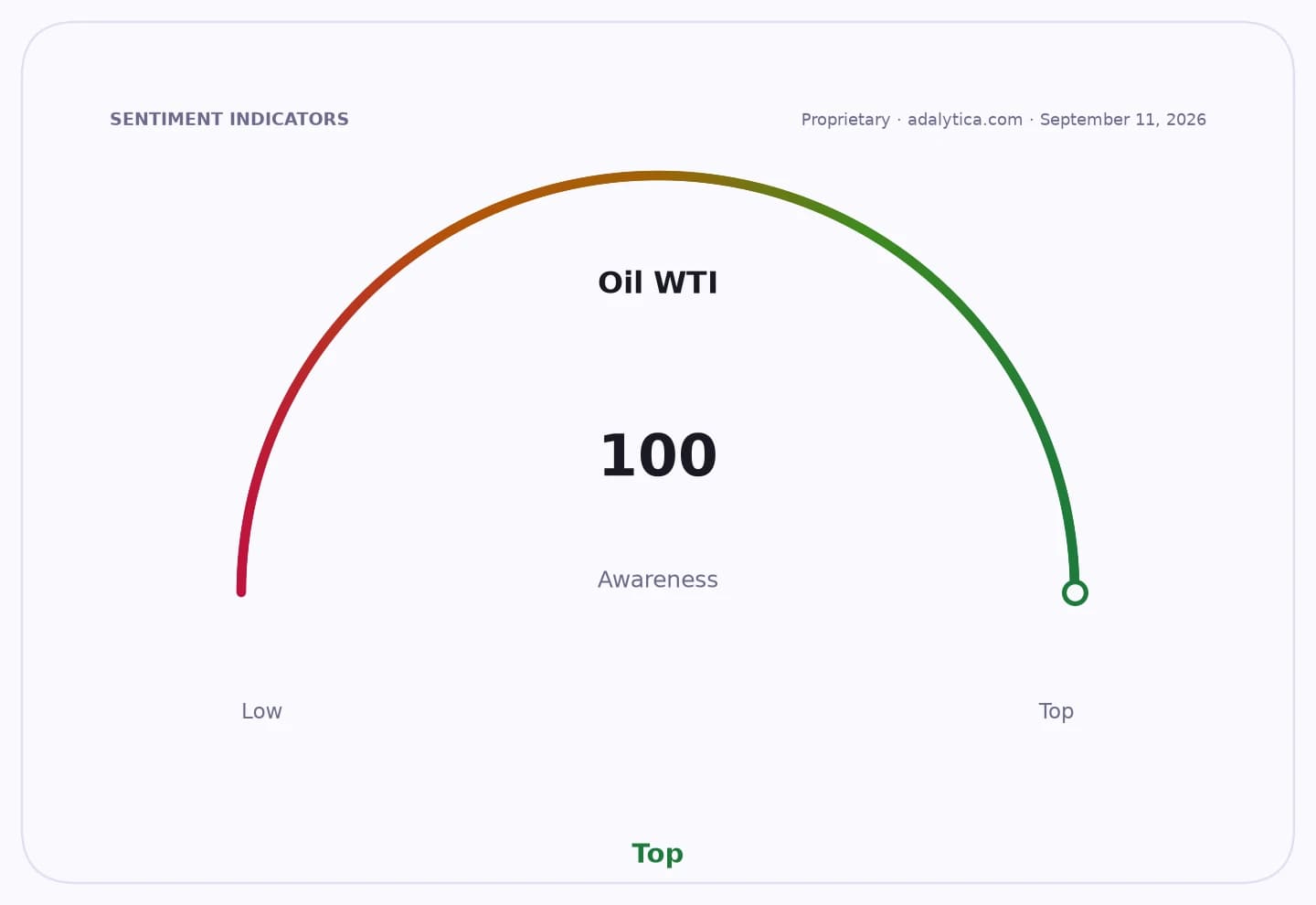
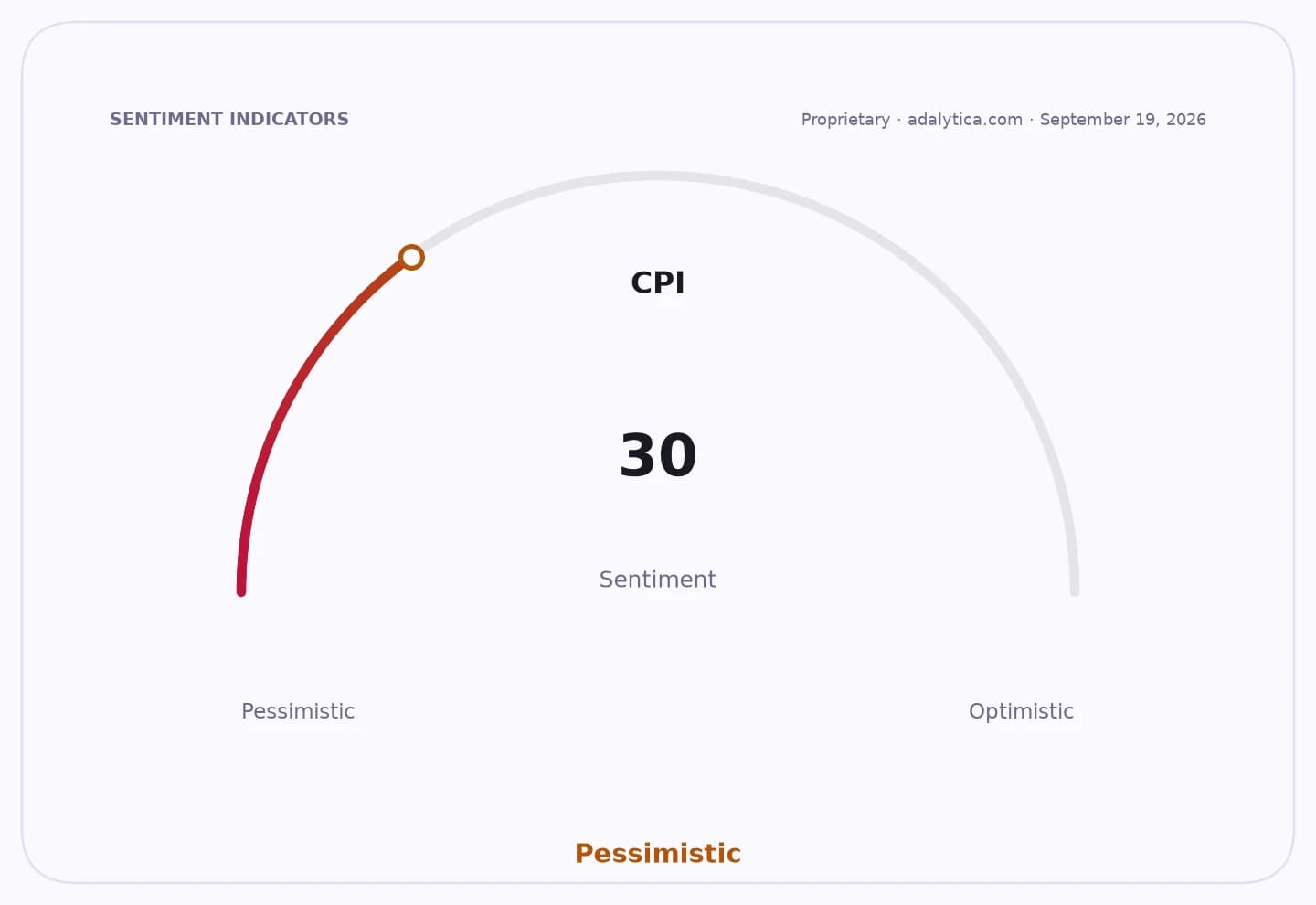
Sentiment IndicatorsⓘProprietary · adalytica.com · September 28, 2026
This is a snapshot — live sentiment, awareness and momentum for 130+ markets update continuously in the dashboard.Open AlphaPulse
What makes the tariff issue market-moving is not just the headline rate, but the possibility that trade policy keeps physical copper trapped in the wrong places. U.S. duties on semi-finished copper and copper-intensive derivatives have already complicated flows, and investors are now watching for any extension or widening of restrictions that could lift domestic premiums even if global benchmark prices stop rising.
That matters for manufacturers and miners alike. Higher tariffs can support U.S. copper prices relative to international benchmarks, benefiting producers and exchange-traded funds tied to the metal, but they raise input costs for wire, cable, electrical equipment and industrial goods makers that rely on copper as a core material. It also lands at a sensitive moment for energy-intensive industry, with gas tariffs and other production costs adding pressure to processors and fabricators.
The broader backdrop is one of shrinking room for error. Copper is being pulled higher by low inventories, resilient demand from China and the market’s persistent view that the energy transition will keep structural demand firm. At the same time, the U.S. dollar trade signal is neutral, suggesting currency moves are not providing much relief to importers, while the S&P 500 trade signal points to risk appetite that can still support commodities.
For investors, the key question is whether copper’s move is a temporary squeeze or the start of a more durable re-pricing driven by policy. A more aggressive tariff stance would likely favor miners such as Freeport-McMoRan and Southern Copper, as well as copper funds including CPER and COPX, while pressuring industrial buyers and downstream manufacturers. The next catalyst is any formal tariff decision or update from U.S. trade officials, which could determine whether copper extends its run or gives back some of this year’s gains.
| Entity | Gains | Losses |
|---|---|---|
| Copper miners | ▲Higher realized prices | ▼Downstream margin pressure |
| CPER, COPX | ▲ETF inflows, price upside | ▼Volatility from policy swings |
| U.S. producers | ▲Wider domestic premiums | ▼Import-dependent buyers |
| Manufacturers | ▲None | ▼Higher input costs |