Copper’s rally is now so intense that thieves are stripping cables from abandoned buildings and even taking metal from bathrooms, a sign the market has pushed the red metal into a new scarcity premium that is beginning to ripple through industry, infrastructure and investor sentiment.
Copper Rally Hits $14,790 a Ton on Tight Supply

The immediate driver is a tightening in China’s spot market, where falling inventories and pre-Lunar New Year buying are keeping physical supply scarce even as imported metal arrives. Shanghai Metals Market said much of that copper is being delivered straight to processors rather than into warehouses, leaving little available on the cash market. That has helped push copper higher for a sixth straight session and close to a record, with three-month copper on the London Metal Exchange up almost 2% to around $14,790 a ton.
Sentiment IndicatorsⓘProprietary · adalytica.com · September 26, 2026
This is a snapshot — live sentiment, awareness and momentum for 130+ markets update continuously in the dashboard.Open AlphaPulse
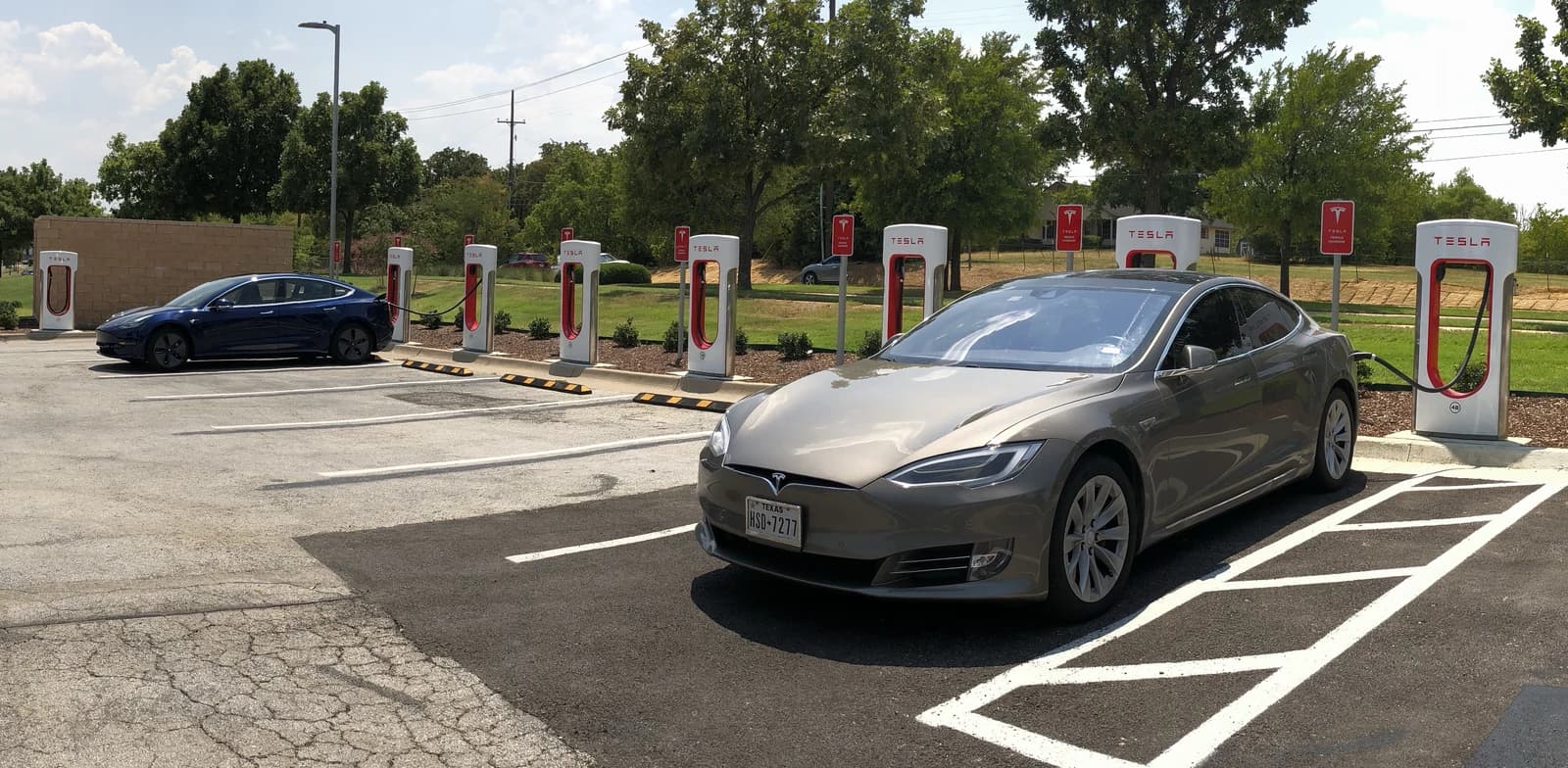
The pricing surge matters because copper is not just another industrial metal. It sits at the center of power grids, housing, vehicles and data centers, making it one of the cleanest real-time gauges of global activity. In China, the picture is split: property demand is still weakening sharply, with August housing starts down 30% from a year earlier, while electric-vehicle production rose 22%. Battery-electric vehicles use about 83 kilograms of copper each, roughly four times the amount in a combustion-engine car, according to the International Copper Study Group.
That divergence helps explain why the market is running hot even though copper is not globally scarce in a simple sense. Bloomberg Intelligence says U.S. inventories cover about 160 days of consumption, compared with just 15.7 days outside the U.S., a gap that suggests traders have been pulling metal into America ahead of possible tariffs threatened by President Donald Trump. If those duties fail to materialize, JPMorgan says some of that copper could flow back into the world market, a scenario that would ease regional tightness but not necessarily erase the structural demand story.
For investors, the rally is helping miners but also raising the risk of buying into a crowded trade. Freeport-McMoRan and other large producers have already benefited from stronger copper pricing, and miners remain one of the few ways to gain operating leverage to the move. But JPMorgan’s caution that it wants to wait for a correction before adding to copper equities highlights a common bear case: if tariff fears fade or Chinese demand softens further, the market could be due for a pullback even if long-term electrification demand remains intact.
The theft angle is not a sideshow. When copper becomes lucrative enough to steal from cemeteries, railway lines and decommissioned swimming pools, it confirms that the metal’s value has reached a level where petty crime, industrial disruption and replacement costs start feeding back into the real economy. That makes copper not just a pricing story but a pressure point for utilities, transport operators, construction firms and insurers.
| Entity | Gains | Losses |
|---|---|---|
| Copper miners | ▲Higher realized prices | ▼Higher scrutiny on valuation |
| Industrial users | ▲— | ▼Higher input costs |
| Thieves | ▲Easy resale value | ▼Higher police attention |
| U.S. inventory holders | ▲Tariff protection premium | ▼Reversal risk if duties fade |