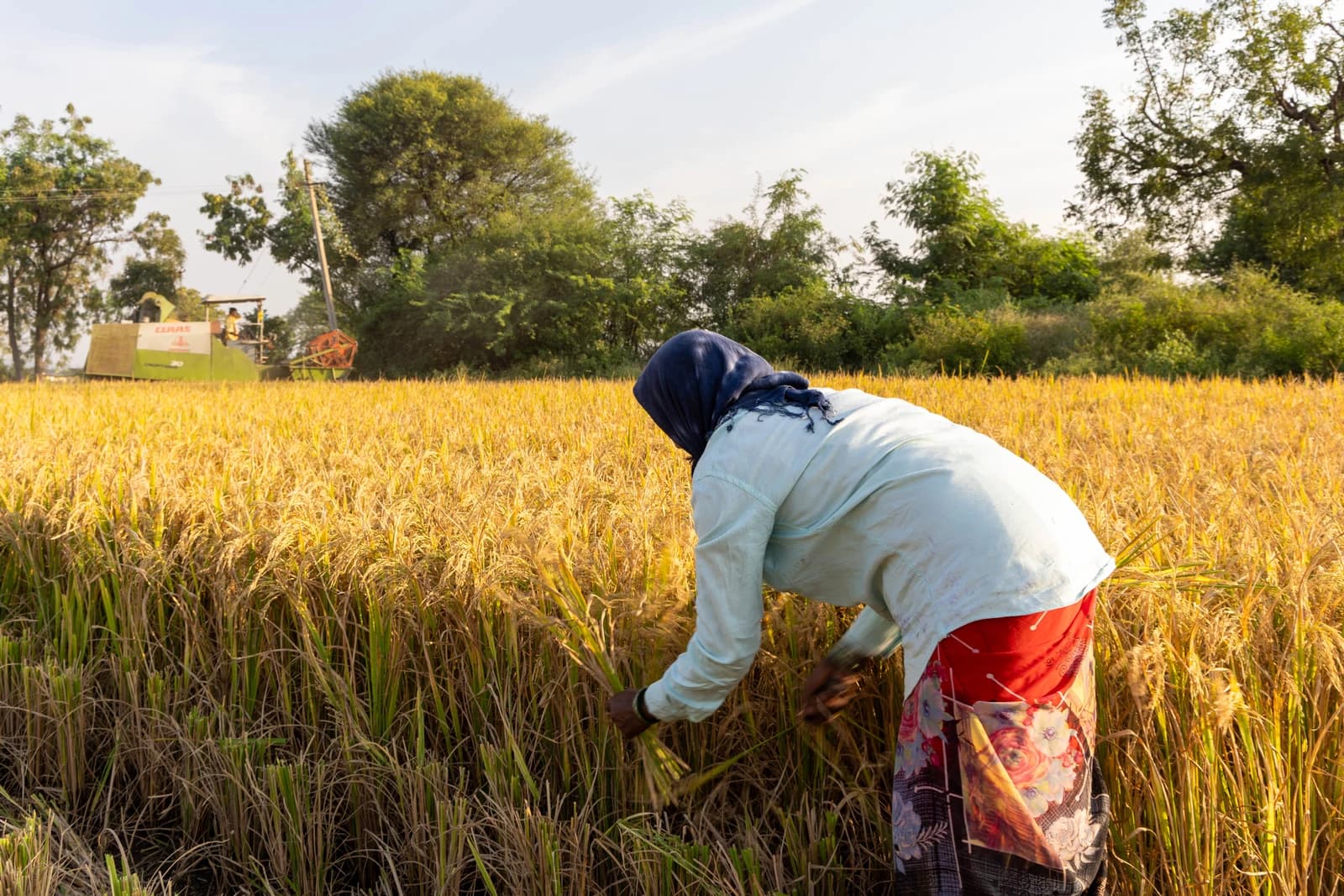
Rain in Gujarat’s Saurashtra region has given a timely lift to cotton and soybean fields in Rajkot district, even as soaked groundnut windrows raise the risk of localized losses for peanut farmers.
Gujarat Rain Boosts Cotton and Soybean Crops
That matters because the region’s rain-fed crop cycle is highly sensitive to late-season moisture. A fresh spell after a dry stretch can quickly improve yield prospects for cotton and soybean, two staples that support rural incomes, while excess rain can damage harvested groundnut kept in the open. For investors watching agricultural commodities, farm-input demand and rural spending, the latest weather shift is a reminder that monsoon volatility is still a live variable in India’s food-and-fiber economy.
In Jasdan, where around 1.5 inches of rain fell, fields were waterlogged and farmers welcomed the moisture for standing crops. Across Amreli, Botad, Bhavnagar, Gir Somnath and Junagadh districts, thunderstorms and showers broke a three-day pause in rainfall, easing immediate crop stress after a dry spell.
The upside is clearest for cotton and soybeans, which benefit from replenished soil moisture at a critical stage of growth. That can support output expectations and reduce the risk of premature crop stress in a region where rain-fed agriculture remains central to cash income. The downside is concentrated in groundnut, where harvested pods laid out to dry were soaked in some areas, creating the possibility of partial damage and lower farm-gate realizations.
For the market, the bigger takeaway is not just one rain event but the persistence of weather-driven swings across India’s farm belt. That can ripple through input demand, procurement flows and rural sentiment. Companies tied to crop protection, seeds and agricultural machinery tend to benefit when farmers see a healthier crop outlook and are more willing to invest ahead of the next season, while output losses in peanuts or other oilseeds can tighten local supplies and support prices.
The stock market is already signaling how sensitive the agriculture complex remains to these swings. Mosaic, FMC and Nutrien have all seen sharp moves over the past year as investors rotated between concerns over pricing pressure, weaker farm economics and signs of recovery. In India, a steadier monsoon tends to be a tailwind for rural demand and agri-input consumption, while erratic rainfall keeps earnings visibility low.
The near-term focus is whether this round of rain proves enough to sustain the standing crop without inflicting more harvest-stage damage. If moisture holds and flooding stays localized, cotton and soybean growers stand to gain, and the broader rural economy should get a modest lift. But if showers persist, the market will shift from blessing to spoilage — and peanut losses could quickly offset the benefit.
| Entity | Gains | Losses |
|---|---|---|
| Cotton growers | ▲Better soil moisture | ▼None immediately |
| Soybean farmers | ▲Crop recovery | ▼None immediately |
| Groundnut farmers | ▲Limited benefit | ▼Wet windrows, quality loss |
| Agri-input suppliers | ▲Healthier crop outlook | ▼Weather uncertainty |