Pakistan’s farm lobby is pressing the government to move fast on two politically sensitive staples: let surplus sugar leave the country and set a Rs5,000-per-40-kilogram support price for the next wheat crop before sowing begins. The demand matters because delayed price signals can suppress planting, cut fertilizer use and tighten food supply, creating a fresh inflation problem for a country already vulnerable to staple-food shocks.
Pakistan Wheat Support Price, Sugar Export Demand

That is the real economic risk behind Tuesday’s warning from Pakistan Kissan Ittehad and other farm groups. Wheat is the backbone of Pakistan’s agriculture, and the growers’ argument is straightforward: if farmers do not see a viable price now, they will plant less, spend less on inputs and pass the damage through to the broader economy. The group said DAP use has already fallen to 1.25 million tons from 2.39 million tons previously, a sign that cash-strapped farmers are skimping on nutrition that usually supports yields.
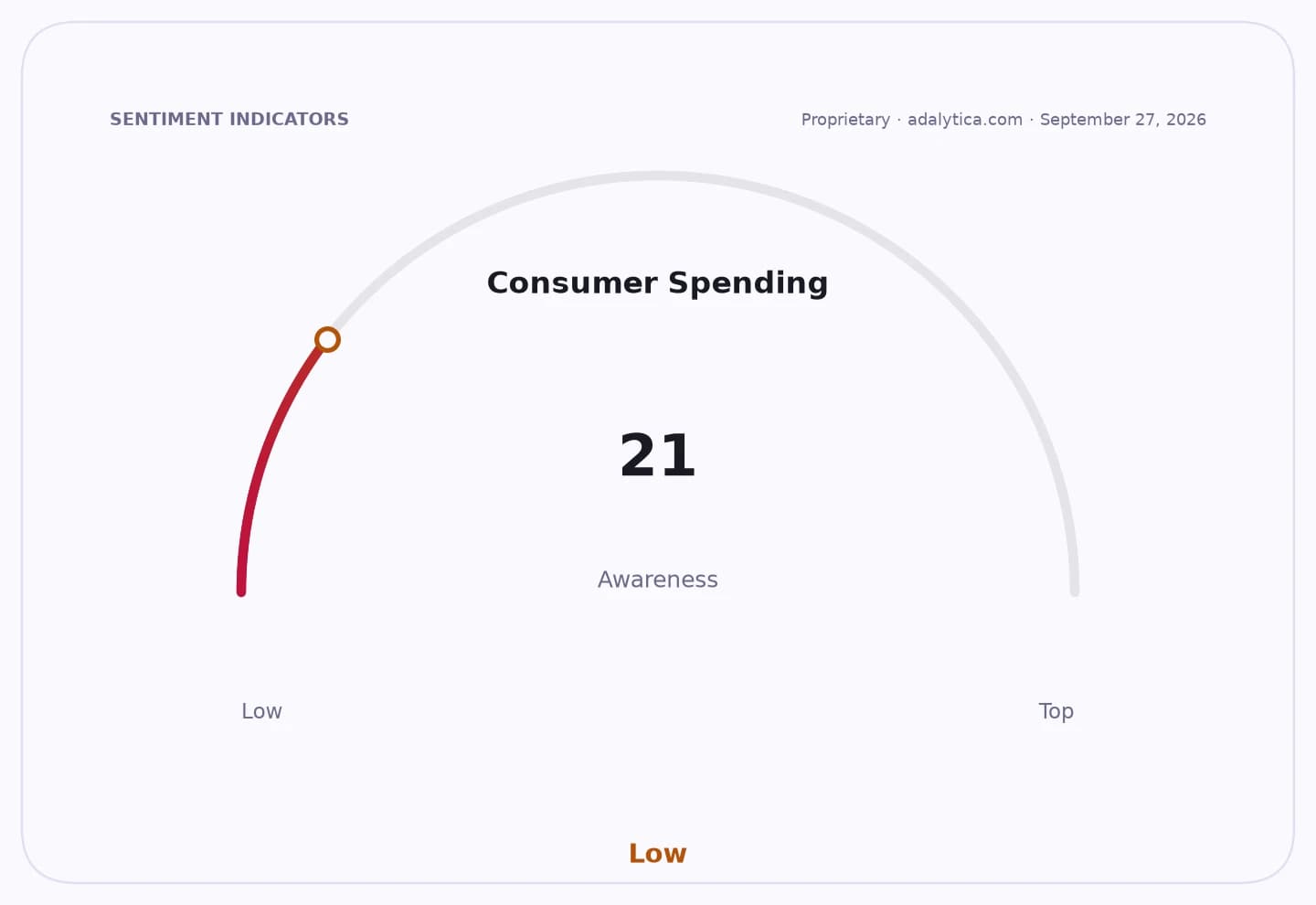
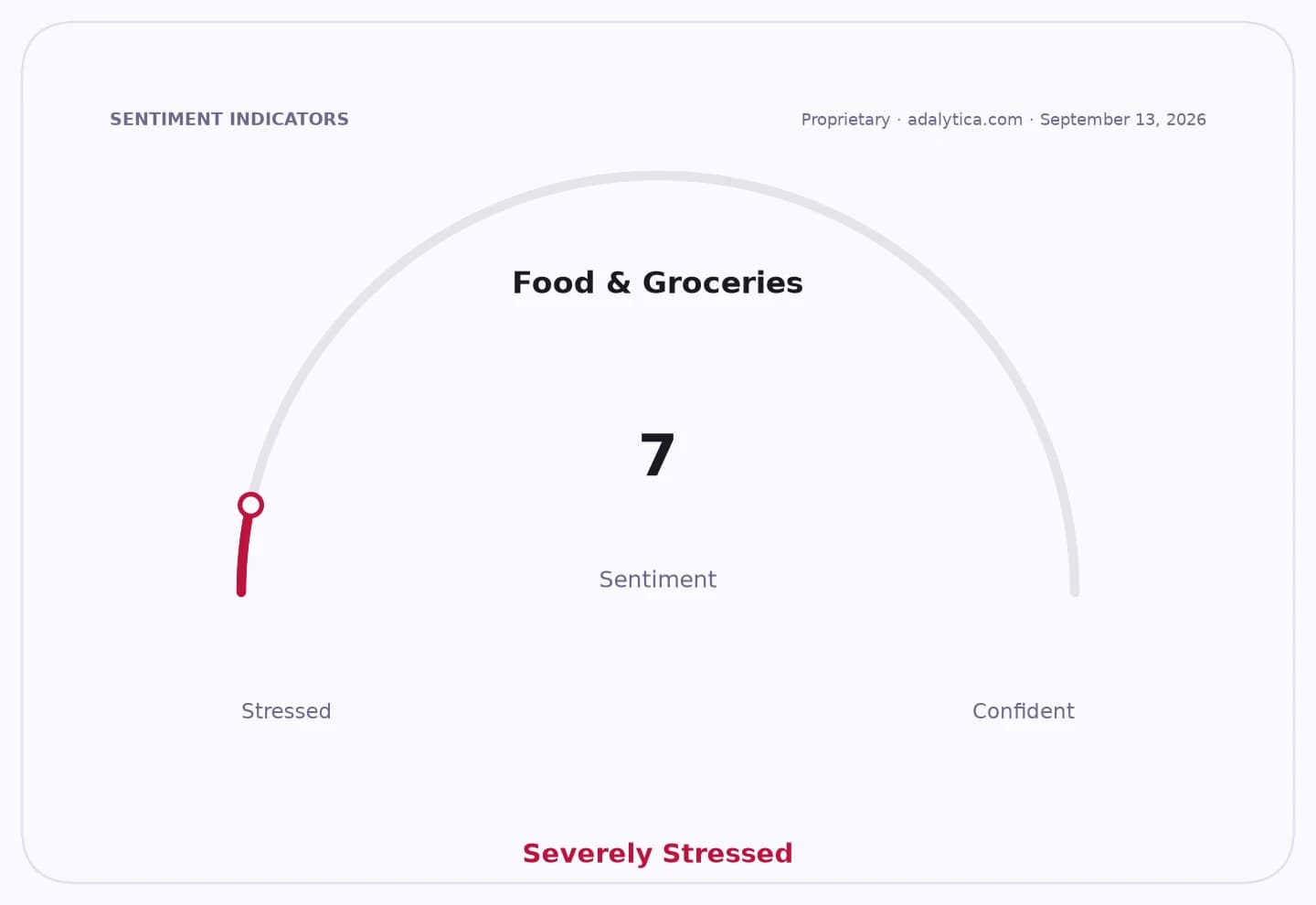
Sentiment IndicatorsⓘProprietary · adalytica.com · September 27, 2026
This is a snapshot — live sentiment, awareness and momentum for 130+ markets update continuously in the dashboard.Open AlphaPulse
The stakes are even higher because wheat sowing is about to begin. In a market where policy uncertainty often becomes a production shock, the difference between a clear procurement floor and a late announcement can decide whether farmers commit acreage or hold back. Pakistan’s food inflation has repeatedly shown how quickly shortages in staples ripple into flour, bread and other essentials, making the issue as much about macro stability as rural incomes.
Sugar presents the mirror image of the same policy problem. Farmers say cane acreage has risen 16% and sugar output could jump 25% to 30% this year, leaving the country with a surplus that should be exported after enough is reserved for domestic consumption through November. If the government keeps stocks locked up, growers say they will absorb the loss, and the pain will spread into the next planting cycle.
For investors, this is a policy trade worth watching. A clean export decision would support millers and traders with surplus inventory, while a delayed or restrictive move would pressure farm incomes and deepen stress in Pakistan’s ag economy. Wheat remains the bigger macro catalyst because a Rs5,000 support price would raise procurement costs and likely feed into broader food prices, but it could also reduce the odds of a sharp acreage decline and support future output.
The market is underestimating how quickly this can turn into a food-security story. With global wheat still vulnerable to Black Sea disruption and commodity prices elevated by geopolitical risk, Pakistan cannot afford to misprice its own crop cycle. The next decision on wheat support and sugar exports will shape farmer behavior now, not months from now — and that makes it an investable policy catalyst for anyone tracking agriculture, inflation and regional staple-food markets.
| Entity | Gains | Losses |
|---|---|---|
| Pakistani farmers | ▲Higher crop prices | ▼Policy delays |
| Sugar mills/exporters | ▲Export outlet for surplus | ▼Domestic stock buildup |
| Wheat consumers/food inflation hawks | ▲Better supply if sowing improves | ▼Higher support-price pass-through |
| Pakistan government | ▲Lower risk of crop shortfall if policy is clear | ▼Bigger subsidy/procurement burden |