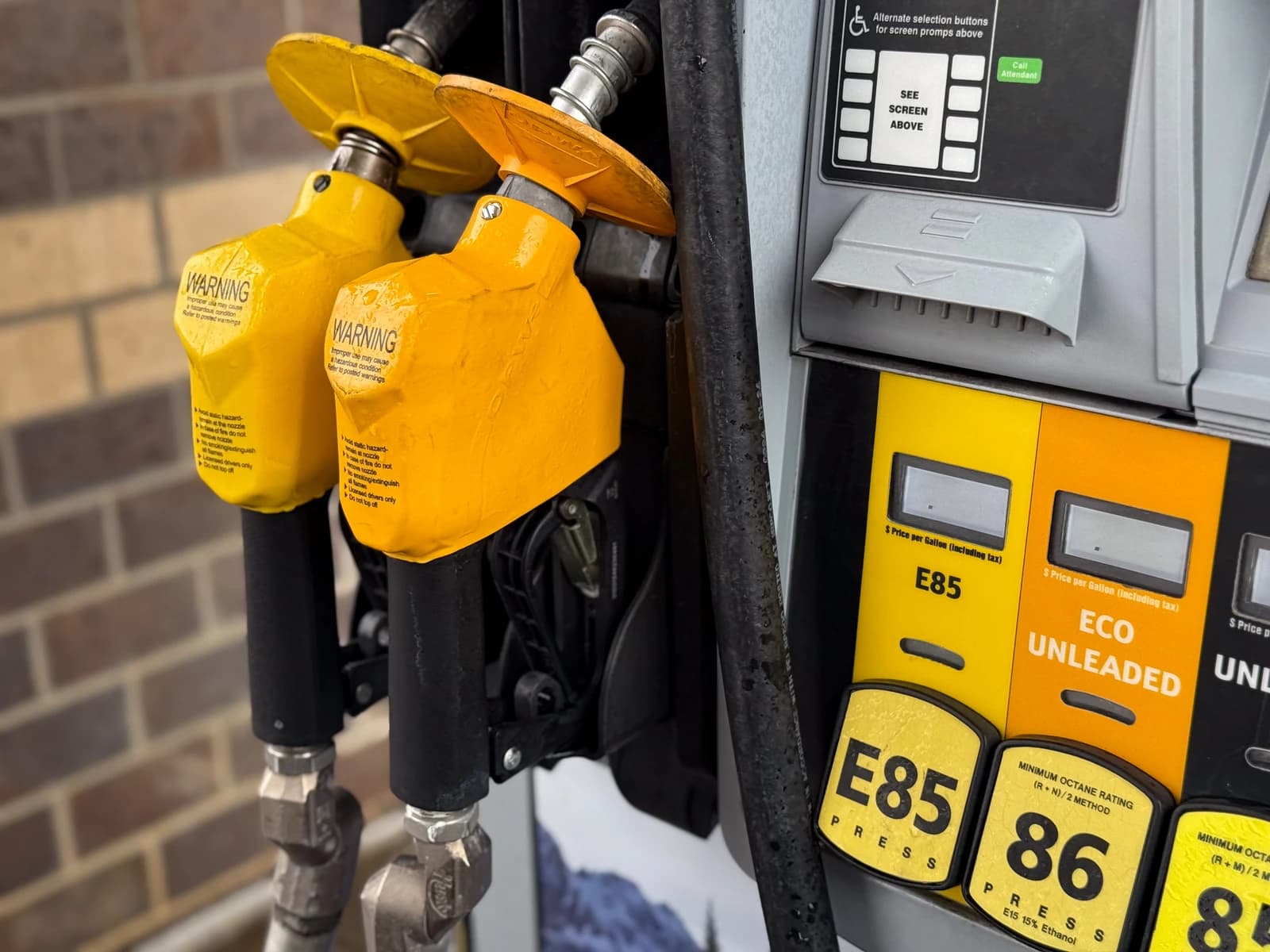
Pakistan’s petroleum minister has warned that petrol prices could jump to 1,000 rupees a liter if oil and gas shortages worsen, underscoring how exposed the economy remains to any fresh disruption in global energy markets.
Pakistan Petrol Prices Could Rise to 1,000 Rupees
The warning matters because Pakistan is already wrestling with high fuel costs, a weak currency and inflationary pressure that has repeatedly squeezed household spending and forced the government into ad hoc relief measures. Petroleum Minister Ali Pervaiz Malik said prices have already risen about 50%, while current pump prices were reported at 389.14 rupees a liter for petrol and 424.04 rupees for high-speed diesel after recent increases. The government has already had to introduce a targeted subsidy of 100 rupees a liter for motorcycles, rickshaws and small vehicles, a sign that the fiscal cost of keeping transport affordable is rising quickly.
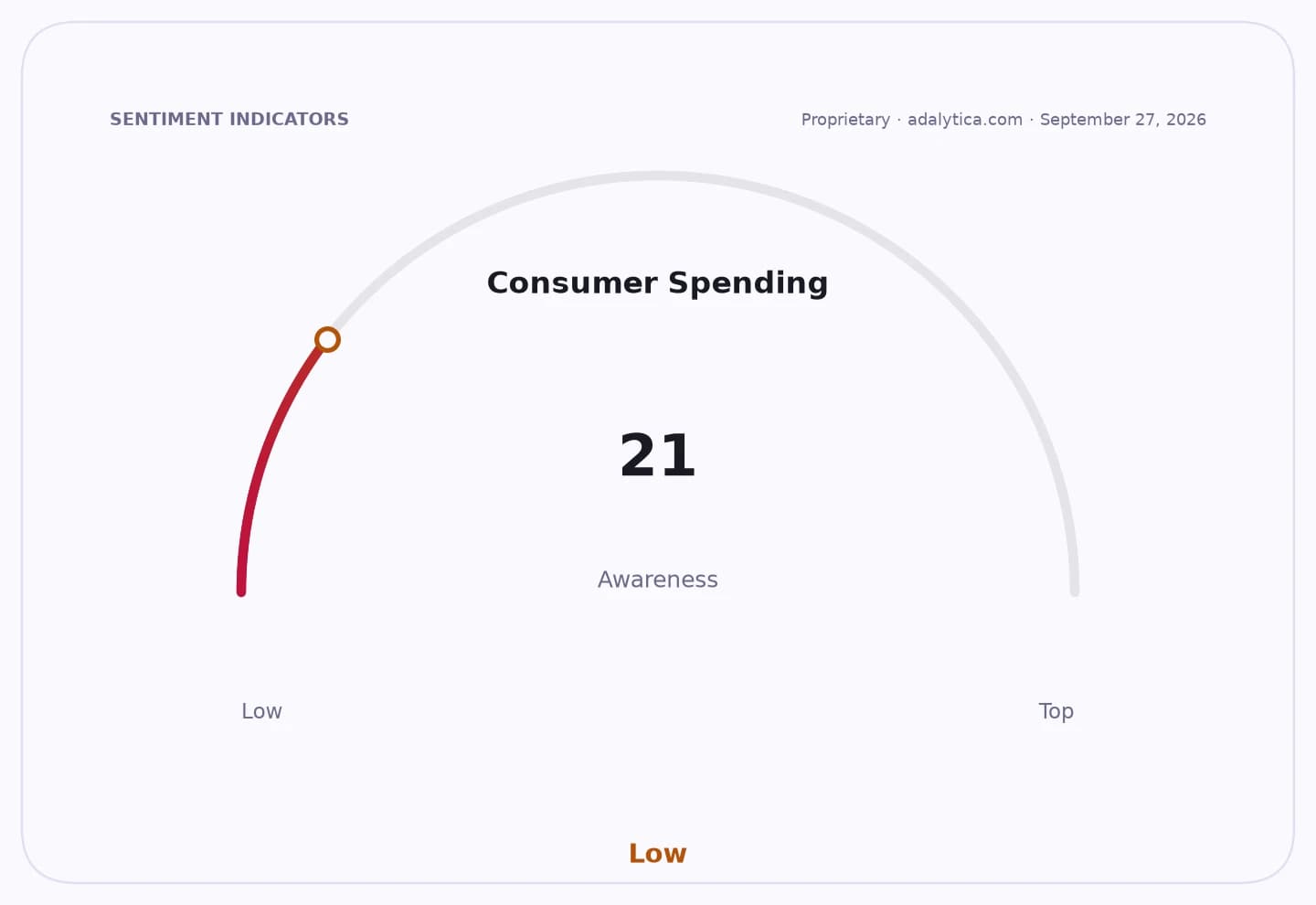
Sentiment IndicatorsⓘProprietary · adalytica.com · September 27, 2026
This is a snapshot — live sentiment, awareness and momentum for 130+ markets update continuously in the dashboard.Open AlphaPulse
The immediate trigger is the possibility of a broader oil-price shock tied to Middle East tensions. Malik pointed to rising crude prices amid attacks by Houthi rebels on Saudi Arabia and signals from the United States that it may prepare further strikes on Iran. For an import-dependent economy like Pakistan, any sustained rise in crude quickly filters through to transport, food and power costs, amplifying inflation at a time when consumer budgets are already under strain.
The macro backdrop is especially fragile. Rising fuel prices tend to hit consumption first, because they leave households with less disposable income and push up logistics costs across the economy. That is why fuel inflation has become a policy flashpoint globally, with governments resorting to subsidies and price caps even as central banks keep monetary policy tight to contain second-round effects. In Pakistan’s case, the problem is compounded by the need to balance social stability against budget constraints and external financing pressures.
For investors, the story is less about a single price quote and more about the escalation risk across markets that are exposed to energy input costs. Higher crude prices generally support oil producers and integrated majors, while they pressure refiners, airlines, transport operators and consumer-facing businesses in fuel-importing economies. Shell and Exxon Mobil have both benefited from a stronger oil backdrop in recent trading, even as their shares have remained sensitive to swings in crude; the latest pricing in global markets still reflects the possibility that supply disruptions in the Middle East can reverse quickly if tensions ease.
The more important point for Pakistan is that fuel inflation can become self-reinforcing. Higher pump prices raise freight and food costs, which feeds into broader inflation, erodes real incomes and can force the government into larger subsidies or tax concessions. That in turn worsens fiscal strain and can weaken confidence in the currency, making imported energy even more expensive.
The bull case is that the warning remains just that — a warning — and that any spike in crude could ease if geopolitical tensions de-escalate or supply routes remain intact. The bear case is that Pakistan is already running out of room to absorb another oil shock, and even a partial disruption could force much higher domestic prices, more subsidies and a deeper hit to consumption.
For investors and policymakers, the key catalyst is whether Middle East tensions push crude into a sustained uptrend or just a short-lived spike. If prices stay elevated, Pakistan’s inflation outlook, fiscal position and import bill all deteriorate together.
| Entity | Gains | Losses |
|---|---|---|
| Oil producers | ▲Higher realized prices | ▼Demand risk if prices spike too far |
| Pakistan consumers | ▲Short-term subsidy relief | ▼Higher transport and food costs |
| Pakistani government | ▲Political cover from subsidies | ▼Bigger fiscal burden |
| Oil-importing businesses | ▲— | ▼Margin pressure from fuel costs |