Pakistan’s government has lifted petrol prices by 12.90 rupees a litre and diesel by 3.72 rupees a litre, a move that will intensify inflation pressures for households and businesses and feed through to transport costs and the price of essential goods.
Pakistan raises petrol, diesel prices again
The latest increase pushes petrol to 358.77 rupees a litre and diesel to 381.77 rupees, effective from midnight until Sept. 8, according to a notification from the petroleum division. It comes as the ministry continues to adjust fuel prices daily, underscoring how quickly global oil swings are being passed through to consumers.
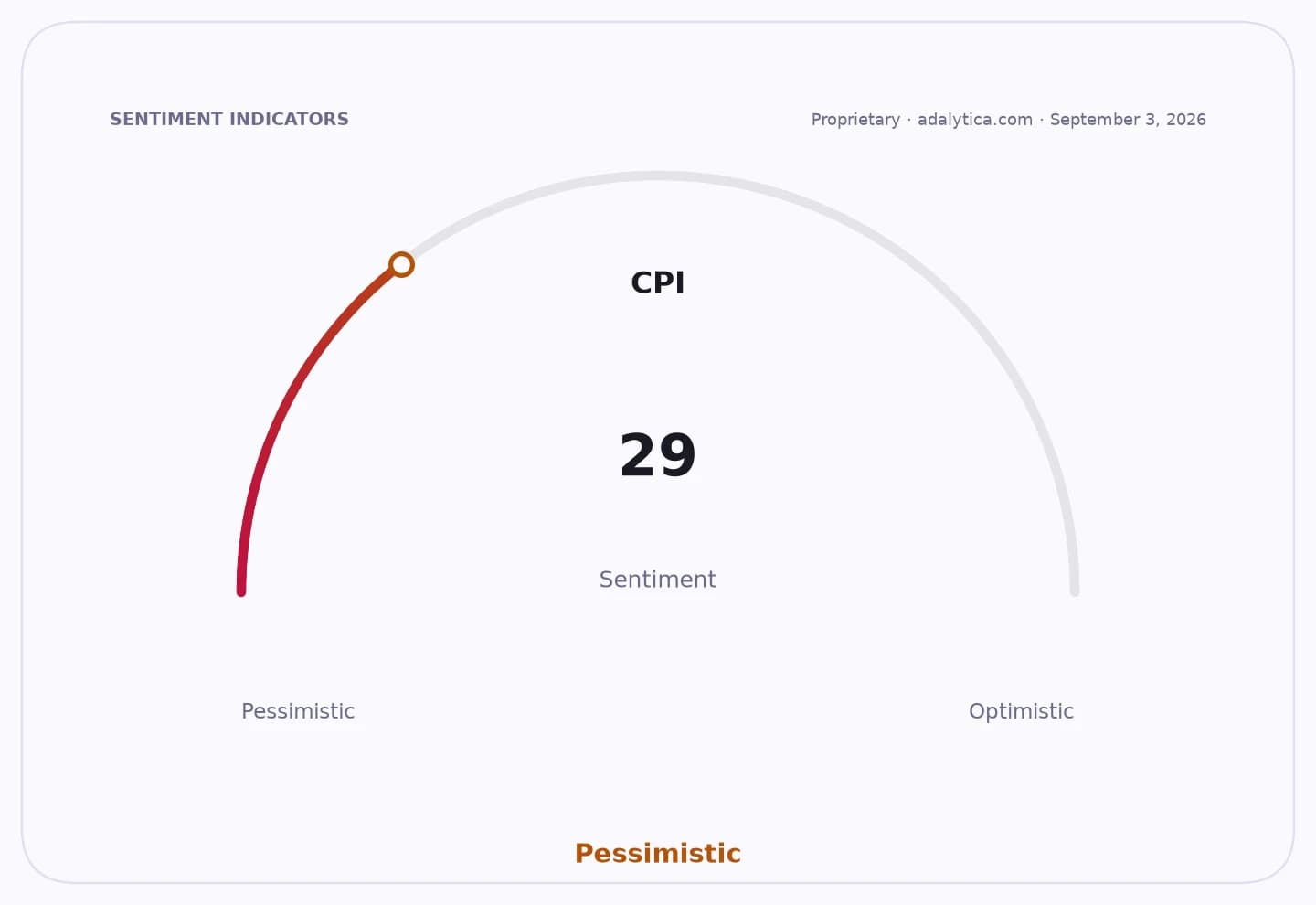
Sentiment IndicatorsⓘProprietary · adalytica.com · September 8, 2026
This is a snapshot — live sentiment, awareness and momentum for 130+ markets update continuously in the dashboard.Open AlphaPulse
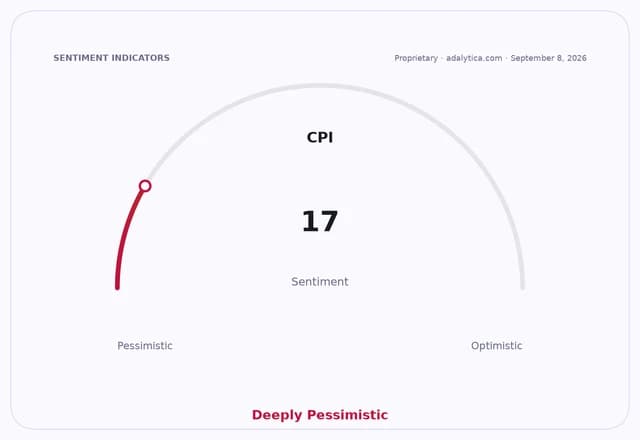
The change matters because fuel is one of the most important input costs in Pakistan’s economy. Higher diesel prices typically ripple through freight, farming and public transport, while petrol affects private mobility and broader consumer spending. In an economy already sensitive to food and logistics costs, even modest fuel adjustments can widen near-term inflation and make it harder for policymakers to anchor expectations.
The move also reflects the wider oil backdrop. Brent and U.S. crude have been volatile on geopolitical tensions in West Asia and supply concerns, with WTI recently back above $90 a barrel. That has kept pressure on importing economies, where currency weakness and domestic taxation can magnify the impact of crude moves at the pump. For Pakistan, where fuel pricing is revised frequently, the pass-through is faster than in many markets and leaves consumers exposed to short-term spikes.
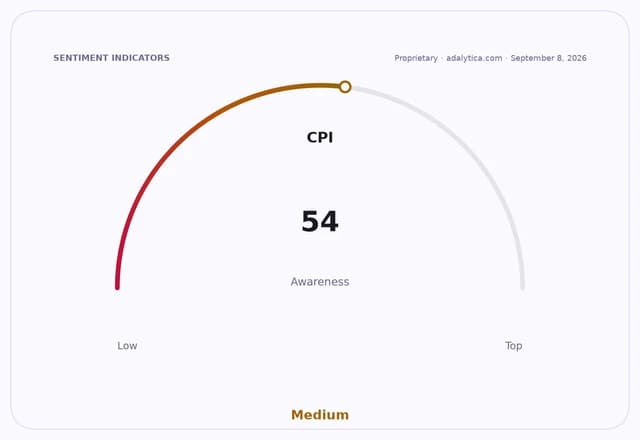
For investors, the immediate effect is negative for consumer sentiment and for sectors tied to transport-intensive demand, from retail to packaged goods. Higher diesel prices can also squeeze margins for logistics and industrial users unless they can pass costs on quickly. Energy-linked names and shipping-adjacent businesses may benefit from the broader oil rally, but for the domestic economy the balance is clearly inflationary.
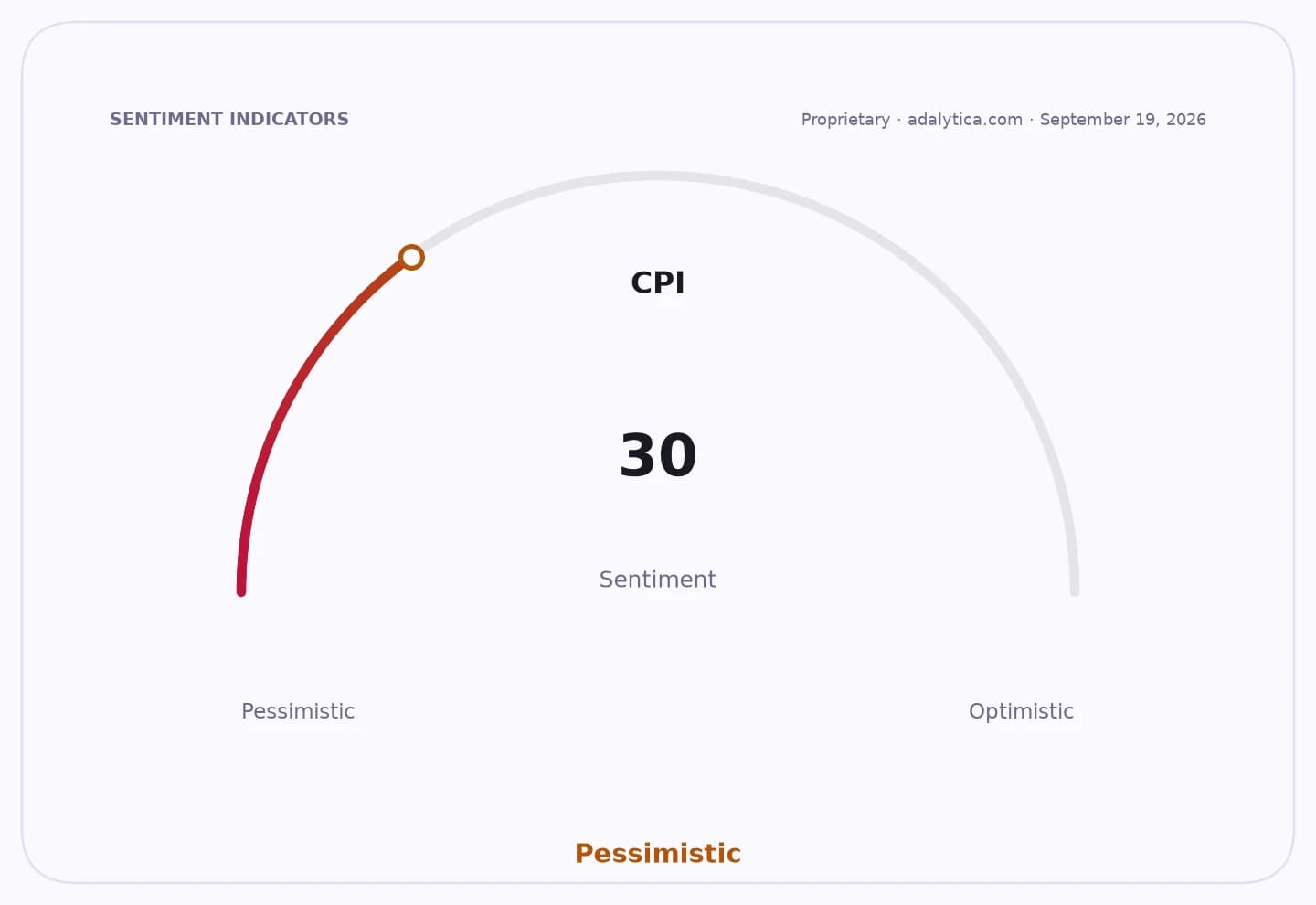
Adalytica’s CPI sentiment gauge points to deep fear around inflation, while its consumer spending snapshot still shows appetite holding up for now; that combination suggests households are still spending, but under growing strain. If crude stays elevated, the risk is not only a higher inflation print but also weaker real consumption and more pressure on the central bank’s policy room.
The next test is whether global oil prices cool or whether the latest increase becomes part of a broader wave of imported inflation. If the pressure persists, Pakistan faces a tougher mix of higher living costs, weaker household purchasing power and renewed strain on businesses that depend on road transport and fuel-intensive operations.
| Entity | Gains | Losses |
|---|---|---|
| Oil producers | ▲Higher realized prices | ▼None on this move |
| Fuel retailers/government revenue | ▲Better pass-through | ▼Consumer backlash |
| Transport operators | ▲Ability to reprice fares | ▼Higher operating costs |
| Households/consumers | ▲None | ▼Higher living costs |