Pakistan’s reliance on fuel taxes is amplifying inflation pressure and may slow long-promised efforts to widen the country’s tax base, even as the government leans on an easy-to-collect Rs1.68 trillion petroleum levy target in the new budget.
Pakistan petroleum levy target lifts inflation pressure
Economists say the levy’s direct share in the consumer basket understates its real impact because higher fuel costs ripple through transport, logistics, agriculture and business operating expenses before reaching households. Motor fuel makes up just 2.91% of Pakistan’s urban CPI basket, but the broader transport group carries a 6.14% weight and transport services 1.75%, giving fuel a far larger second-round effect than the headline number suggests.
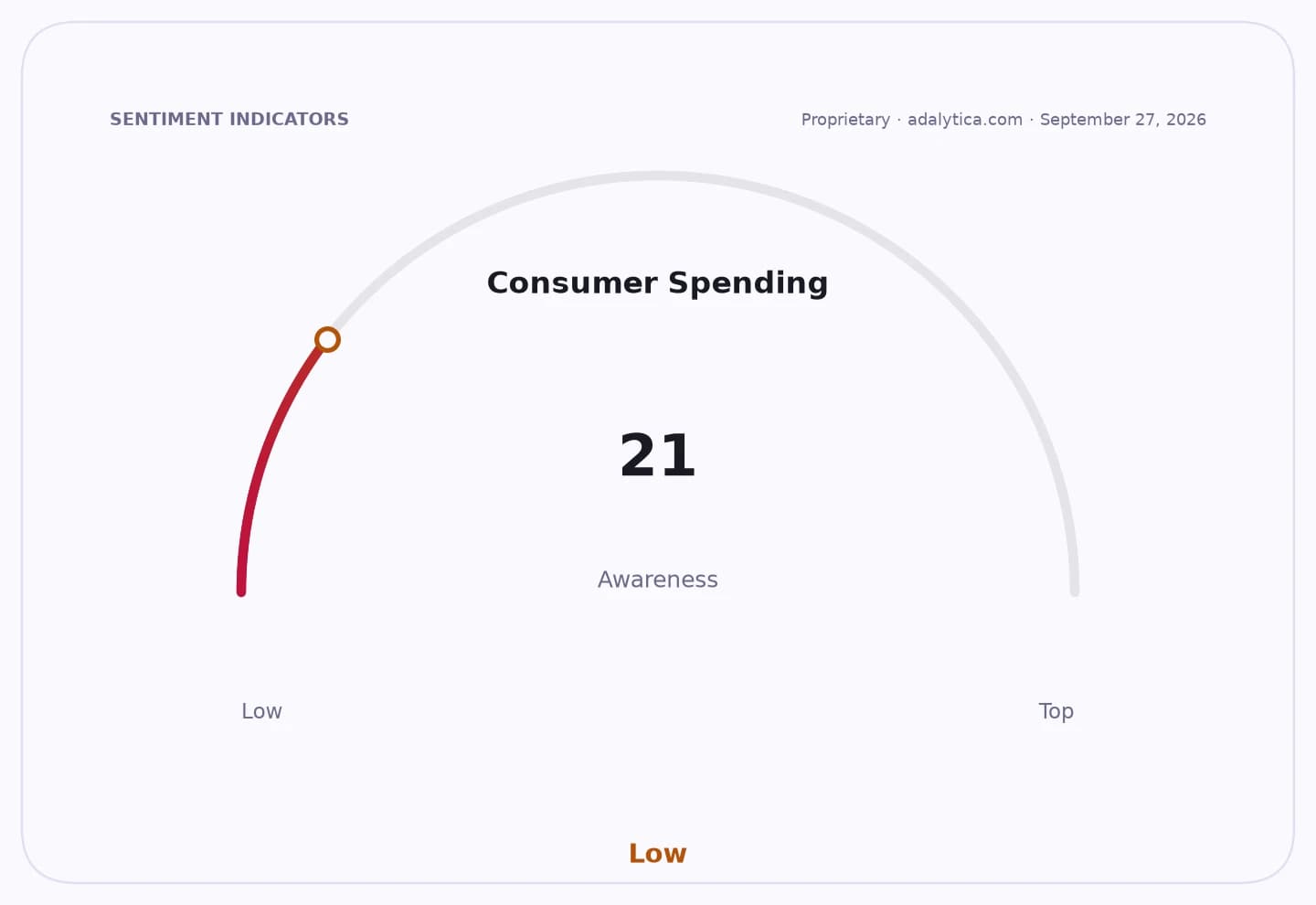
Sentiment IndicatorsⓘProprietary · adalytica.com · September 29, 2026
This is a snapshot — live sentiment, awareness and momentum for 130+ markets update continuously in the dashboard.Open AlphaPulse
That matters because inflation is already running hot. Pakistan’s consumer price index rose 11.15% year on year in August 2026, while motor fuel prices were up 24.43% and the transport group 21.79%. In practical terms, diesel and petrol feed directly into food distribution, freight, farm inputs and factory costs, turning a revenue tool into a broader economic drag.
The policy trade-off is becoming harder for Islamabad to ignore. The government collected a record Rs1.567 trillion from the petroleum levy in FY2025-26 and has now set a target of Rs1.68 trillion for FY2026-27, underscoring how central fuel taxation has become to fiscal consolidation. Economists said that helped narrow the fiscal deficit to below 2.6% of GDP and deliver a primary surplus of 2.9% of GDP, but warned the convenience of the levy can crowd out deeper tax reform.
That is the core investor issue: Pakistan is leaning on a regressive, consumption-based tax because it is efficient to collect at fuel stations, but overreliance risks keeping inflation sticky and economic growth subdued. The IMF has said petroleum products face an effective tax rate of 166%, leaving revenues exposed to fuel demand and price shocks while the tax system remains concentrated in a few sectors.
The economists interviewed argued the answer is not simply higher taxes on already documented taxpayers. They pointed to broader compliance, digitised invoicing, stronger enforcement of agricultural income tax, reform of the Federal Board of Revenue and tougher action against high-net-worth evasion as the more durable route to revenue. The IMF has estimated that better GST efficiency alone could yield about Rs2.1 trillion, or 1.8% of GDP, based on the FY2024-25 tax base.
For investors, the message is that Pakistan’s inflation path and fiscal strategy remain tightly linked to fuel taxation. Unless the government shifts toward a wider tax base, higher petroleum levies are likely to keep feeding price pressures, complicate monetary policy and weigh on consumer demand, transport-intensive businesses and sectors tied to domestic activity.
| Entity | Gains | Losses |
|---|---|---|
| Pakistan government | ▲Fast revenue collection | ▼Pressure to reform taxes |
| Consumers | ▲None | ▼Higher transport and food costs |
| Logistics and transport firms | ▲None | ▼Rising operating costs |
| IMF and reform advocates | ▲Push for broader tax base | ▼Reliance on fuel levies |