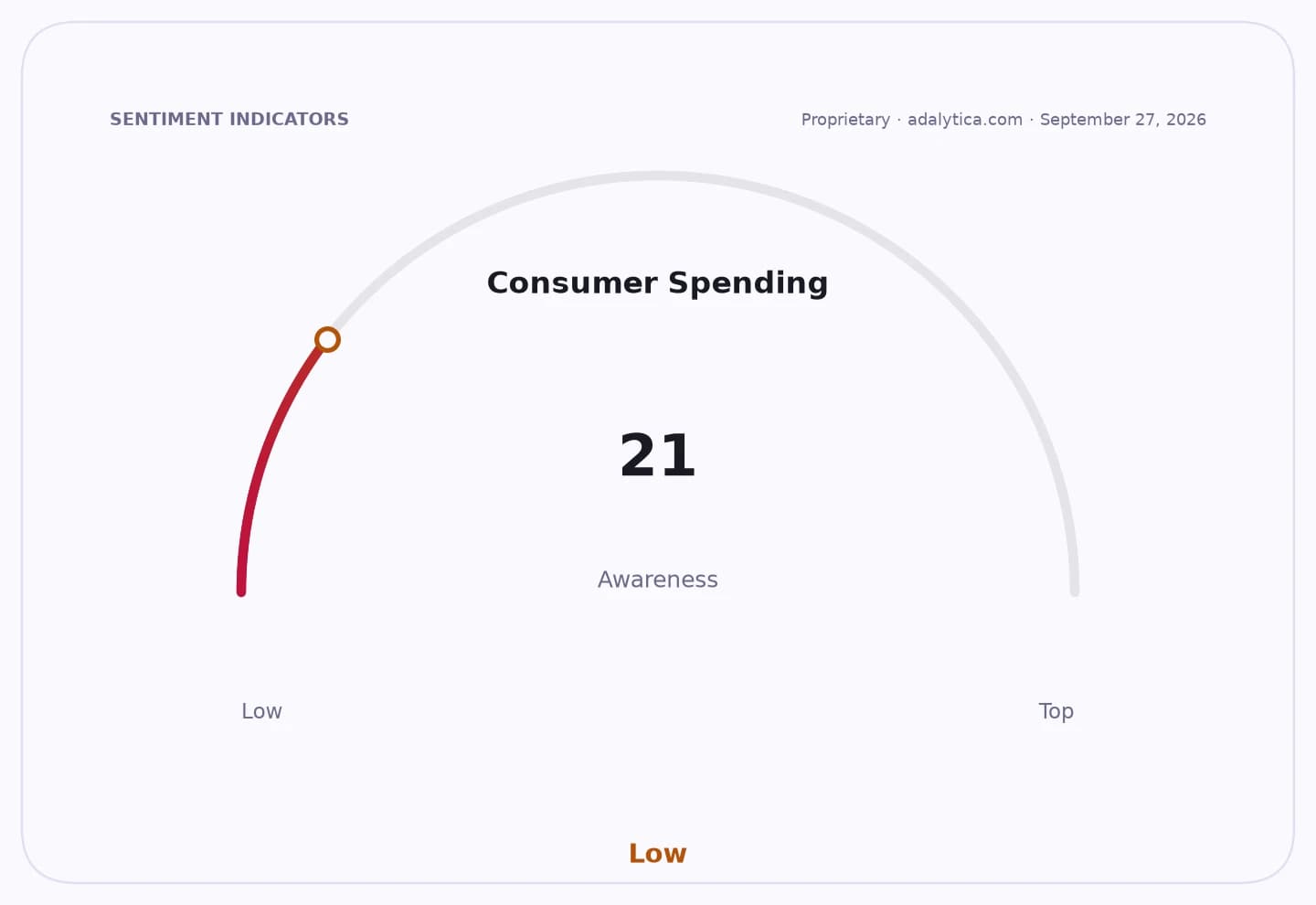
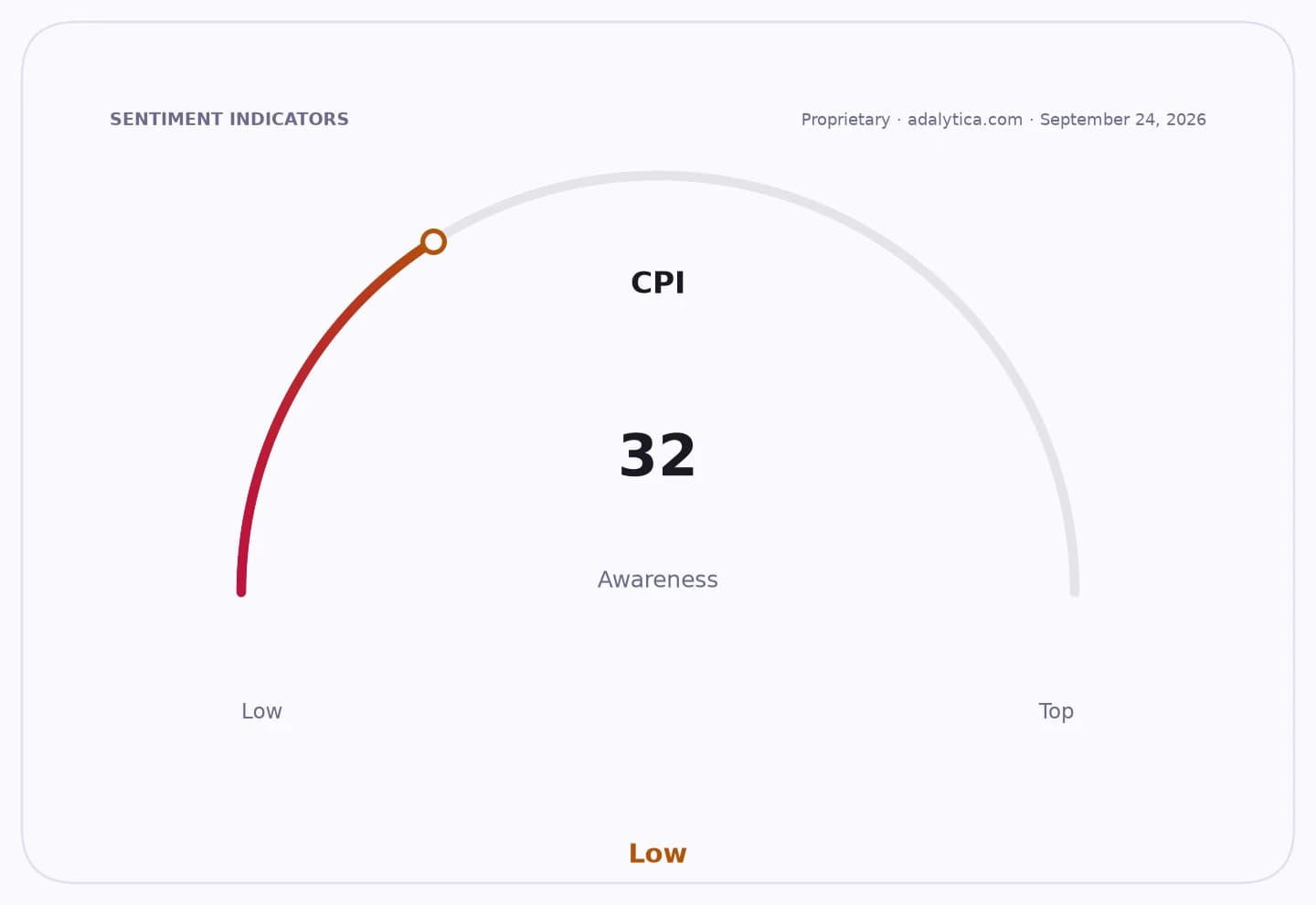
Lebanon is preparing local measures to curb inflation by reducing taxes on fuel, a move aimed at easing one of the biggest drivers of household and transport costs as global oil prices remain elevated.
Lebanon Plans Fuel Tax Cuts to Ease Inflation
Fuel has been a persistent source of price pressure across economies, and any tax cut or discount tends to feed through quickly to transport fares, food distribution costs and broader consumer inflation. In Lebanon, where inflation has already eroded purchasing power and squeezed domestic demand, lowering fuel taxes would offer immediate relief but also reduce government revenue at a time of fiscal strain.
The timing matters for investors and policymakers because energy costs continue to shape the inflation outlook. Brent and U.S. crude have been volatile on geopolitical risks, including tensions involving Iran, keeping imported fuel expensive and complicating central bank efforts to tame prices. Fresh relief on fuel would help consumers in the short term, but it also highlights how exposed Lebanon remains to external price shocks and weak policy buffers.
For businesses, cheaper fuel could trim operating costs for logistics, retail and transport-heavy sectors, while supporting discretionary spending if households keep more cash in hand. But the longer-term effect depends on whether the government can fund the measure without widening fiscal pressure or triggering offsetting taxes elsewhere.
The key question now is whether the plan is broad enough to slow inflation meaningfully or limited to a temporary cushion. Investors will be watching for details on the size of the tax reduction, how it is financed and whether the move signals a wider shift toward price support measures.
| Entity | Gains | Losses |
|---|---|---|
| Lebanese consumers | ▲Lower transport costs | ▼Less fiscal room if deficits widen |
| Transport and logistics firms | ▲Lower fuel bills | ▼Revenue risk if demand stays weak |
| Lebanese government | ▲Political relief | ▼Tax revenue from fuel duties |
| Oil exporters | ▲Stable demand | ▼Pressure on local fuel pricing |