Pakistan has started technical talks with the International Monetary Fund just as officials brief the lender on plans to return a $3 billion short-term deposit from Saudi Arabia, a reminder that the country’s fragile external financing remains under close scrutiny even after foreign-exchange reserves climbed above $17 billion.
Pakistan IMF Talks on Saudi Deposit Rollover
The negotiations matter because Pakistan’s near-term stability still hinges on how it manages external payments, rollovers and reserve buffers. With the IMF set to examine the current-account deficit, policy rates and the exchange rate, the talks will help determine whether Islamabad can keep its funding profile intact without forcing a sharper adjustment in growth or imports.
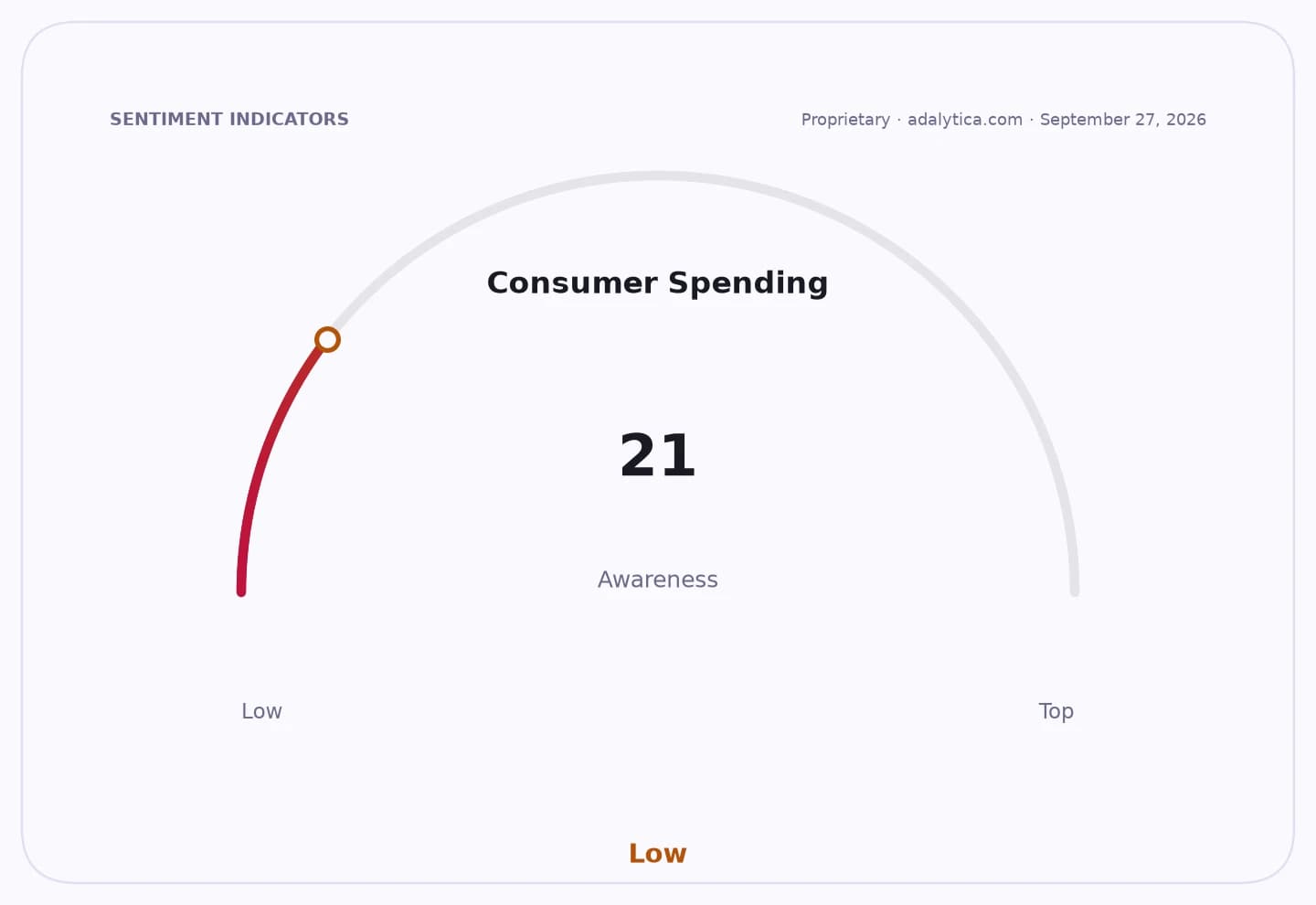
Sentiment IndicatorsⓘProprietary · adalytica.com · September 29, 2026
This is a snapshot — live sentiment, awareness and momentum for 130+ markets update continuously in the dashboard.Open AlphaPulse
According to officials, the State Bank also briefed the mission on a $3 billion payment to the United Arab Emirates and on arrangements tied to the Saudi deposit. Pakistan wants that Saudi money extended further and is also discussing whether it can be converted into an investment, rather than repaid in cash. That is the kind of financing flexibility markets watch closely: a rolled-over deposit eases pressure on reserves, while a cash repayment would tighten an already delicate external account.
The IMF team is in Pakistan ahead of formal discussions beginning Sept. 28, after technical meetings with the central bank. Those meetings are especially important because they shape the terms of any broader agreement, including whether Pakistan gets room to maintain a more stable exchange rate and avoid a policy squeeze that would hit domestic demand. The country’s current-account deficit was only $304 million in fiscal 2026, helped by remittances of $41.6 billion, but imports still rose 9% to $64.5 billion, leaving little margin for error if oil prices or financing conditions worsen.
The backdrop is better than it was a year ago, but not strong enough to remove risk. The Asian Development Bank said Pakistan’s economy grew 3.2% in fiscal 2025 and 3.7% in fiscal 2026, with inflation averaging 7.1% in fiscal 2026 and seen at 8.3% in fiscal 2027. That implies continued pressure on the State Bank to balance growth against price stability, while keeping the rupee from becoming a new source of stress.
For investors, the immediate issue is not just whether Pakistan avoids a financing crunch, but whether it can convert short-term deposits into more durable capital. A successful rollover or investment conversion would support sovereign bonds, improve confidence in the rupee and reduce tail risk around external debt. Failure to secure that breathing room would force the market to price in more downside for Pakistan’s bonds, currency and rates.
The broader trade is straightforward: the IMF talks are a test of Pakistan’s ability to move from emergency financing to something closer to sustainable funding. If Islamabad can lock in Saudi support and preserve reserves, the upside is a calmer macro backdrop and a more investable sovereign story. If not, the market will quickly return to pricing rollover risk instead of recovery.
| Entity | Gains | Losses |
|---|---|---|
| Pakistan government | ▲Reserve relief, funding flexibility | ▼Repayment pressure, policy scrutiny |
| Saudi Arabia | ▲Potential investment conversion | ▼Short-term deposit exposure |
| IMF | ▲Greater policy leverage | ▼More rescue-financing burden |
| Bondholders / FX bulls | ▲Rollover support, lower default risk | ▼If talks stall, spread widening |