Pakistan and China are keeping their long-running strategic partnership focused on something investors can actually measure: concrete development projects that can lift infrastructure spending, technology transfer and local capacity.
Pakistan, China discuss development cooperation
Prime Minister’s Coordinator for Commerce, Industry and Production Rana Ehsan Afzal Khan met a high-level delegation from China International Center for Economic and Technical Exchanges, or CICETE, and discussed expanding practical development cooperation, with particular attention on construction projects, technology promotion and skills development.
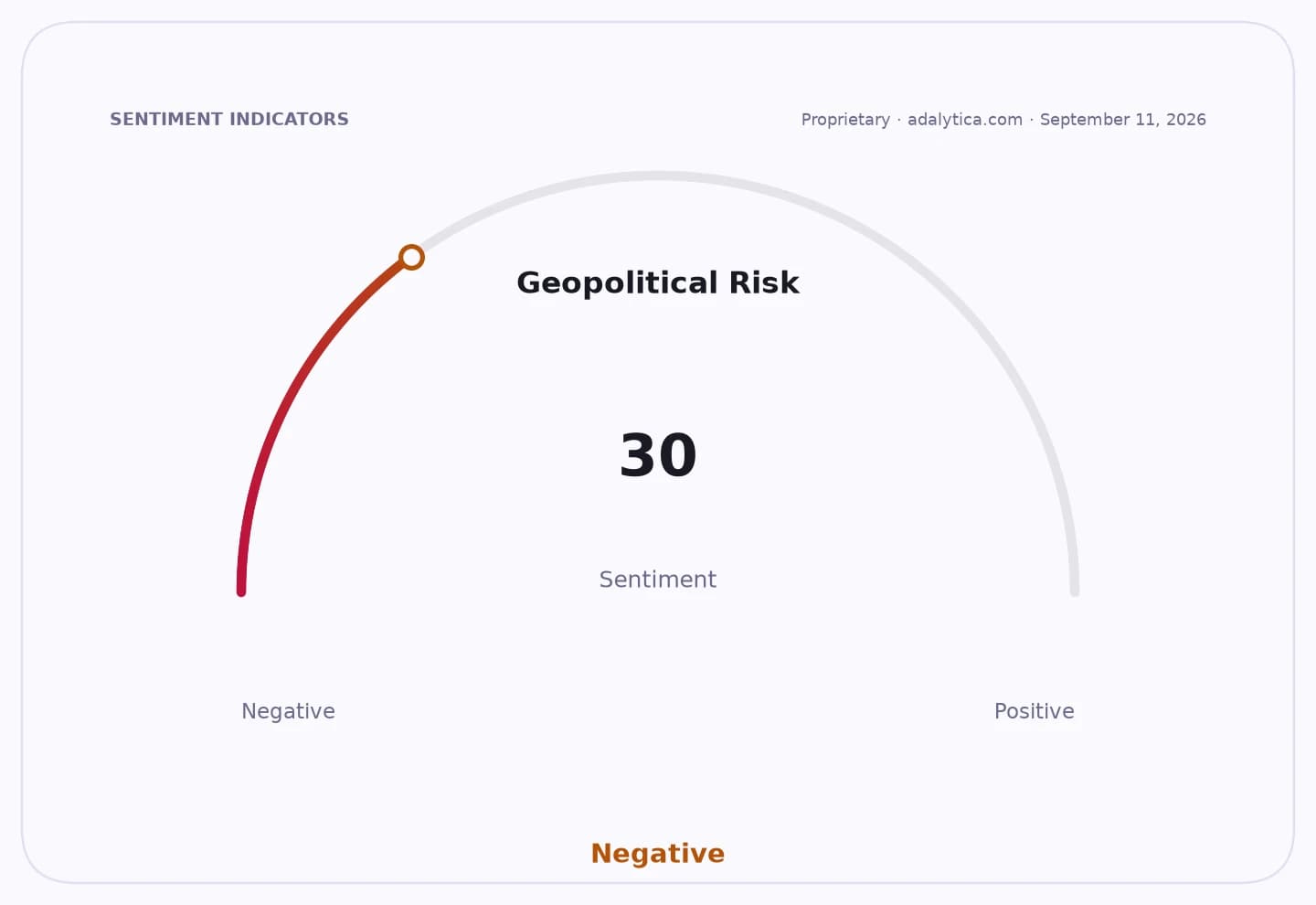
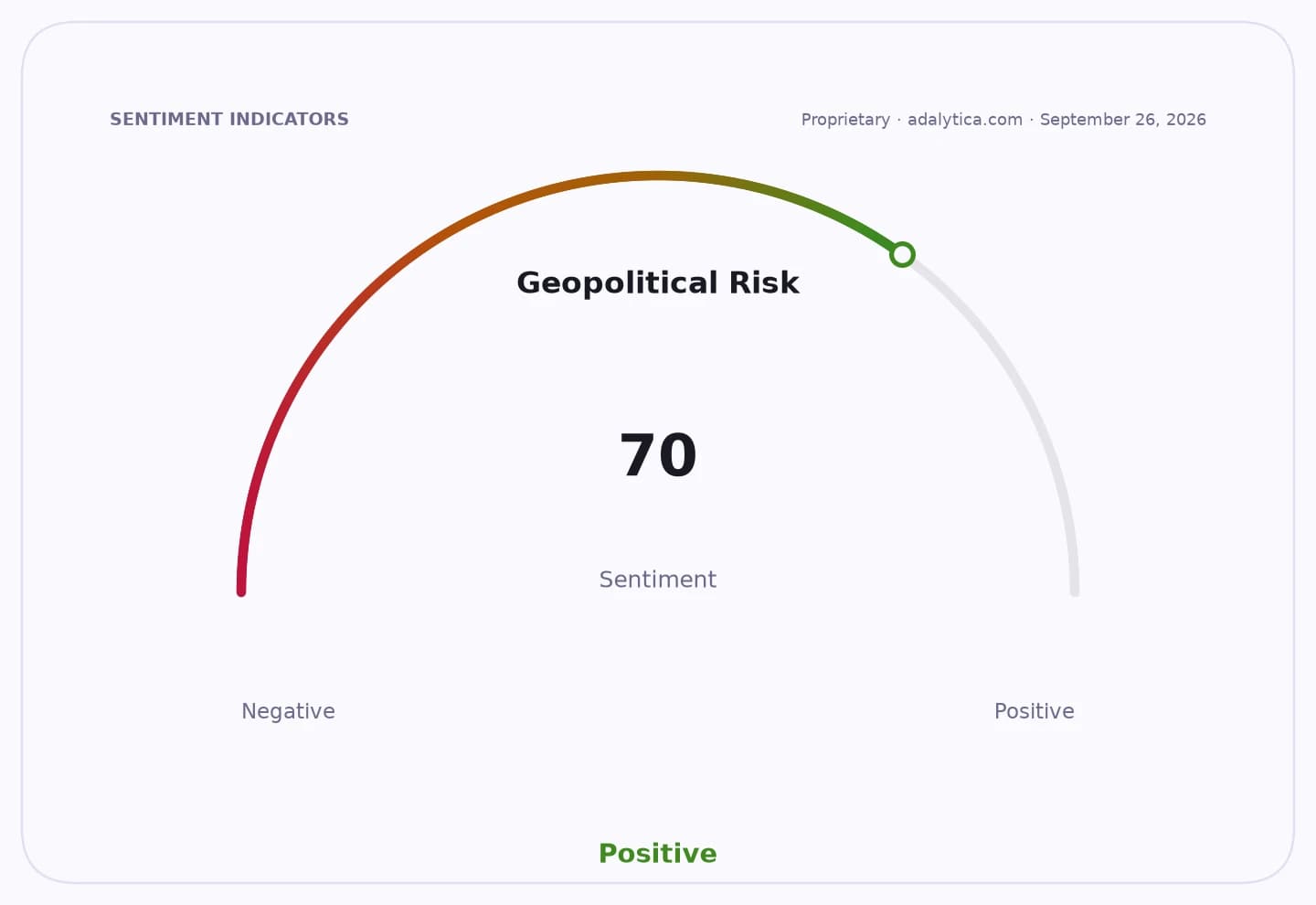
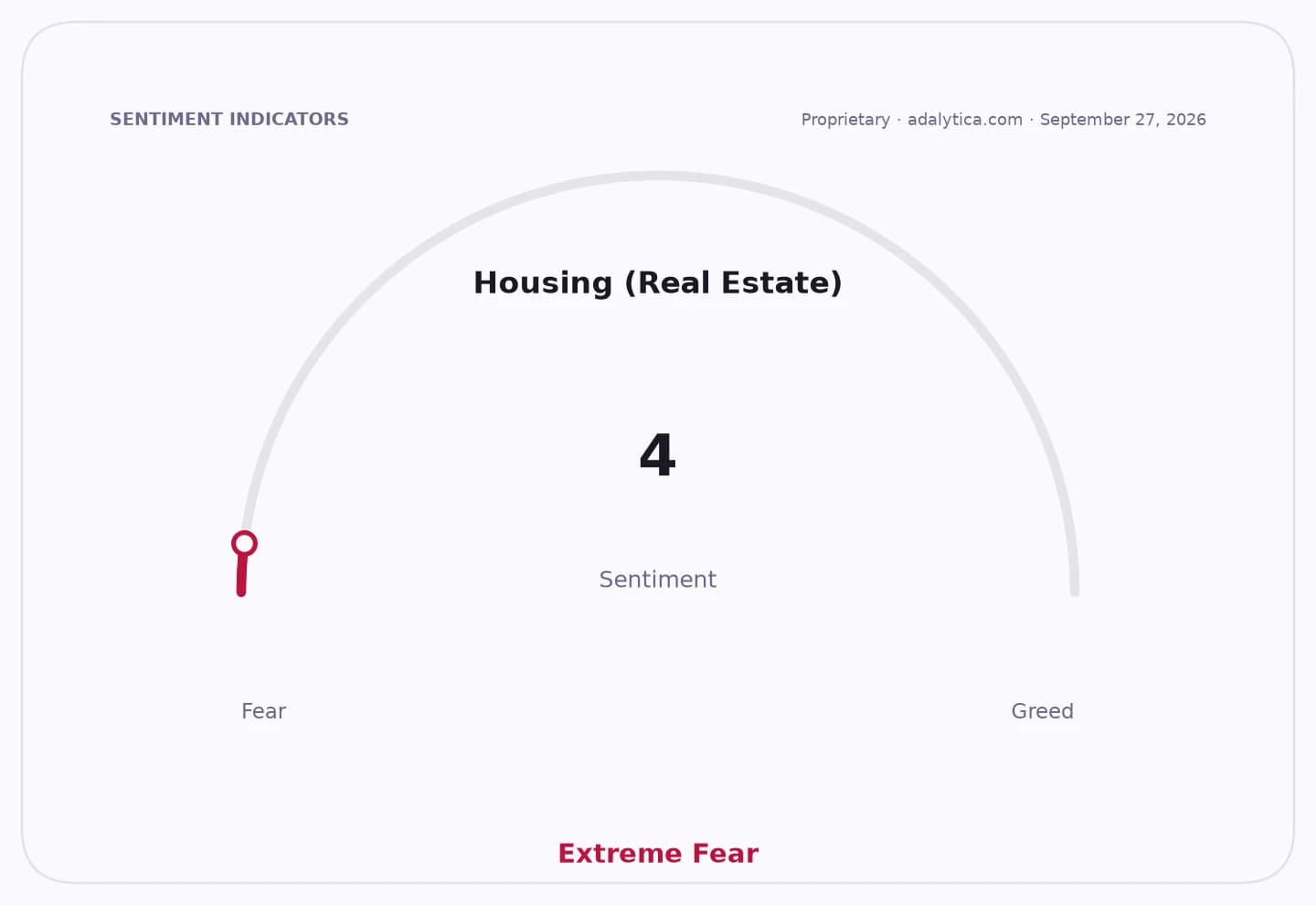
Sentiment IndicatorsⓘProprietary · adalytica.com · September 27, 2026
This is a snapshot — live sentiment, awareness and momentum for 130+ markets update continuously in the dashboard.Open AlphaPulse
That matters because Pakistan does not benefit much from symbolic diplomacy alone. What moves the needle is execution — whether Chinese-backed projects can be delivered on time, create work in the provinces and build the local capability Pakistan needs to support growth without relying on imports and foreign consultants forever.
The meeting also highlighted Pakistan’s development priorities and the pipeline of ongoing and future projects. CICETE has long been active in Pakistan, including in Balochistan, and both sides said they want to keep institutional ties active so cooperation can move faster and reach new sectors. In plain terms, that suggests the relationship is still centered on practical economic engagement rather than just geopolitics.
For investors, that is relevant for two reasons. First, deeper Chinese involvement can support Pakistan’s infrastructure and construction ecosystem, which matters for anyone watching industrial activity, logistics and materials demand. Second, technology and capacity-building cooperation can improve the medium-term productivity story in a country that needs more than external financing to stabilize growth.
The broader backdrop is also important. Pakistan and China have been reinforcing their strategic partnership even as regional tensions remain high and India pushes back against bilateral arrangements in disputed territory. But for markets, the more immediate question is whether this cooperation turns into visible project flow, not headlines. That is what would matter for Pakistan-linked assets, including the Pakistan ETF PK, which has been trading around $15.43, while China-focused funds such as FXI and MCHI reflect a market still looking for firmer growth evidence.
On the technical side, those funds remain below their 200-day moving averages, a sign that sentiment has improved only unevenly. FXI closed at $33.96 and MCHI at $52.62, both still under their longer-term trend lines, while PK has held above its 200-day average and continues to show relative resilience. That kind of divergence suggests investors are willing to price in selective optimism, but not a broad re-rating yet.
The long-term takeaway is straightforward: if Pakistan and China can translate this kind of diplomacy into real construction, technology and local skill development, the payoff could be slow but durable. That makes the relationship worth watching for patient investors, especially those focused on frontier-market infrastructure and Asia exposure.
| Entity | Gains | Losses |
|---|---|---|
| Pakistan government | ▲More project support | ▼Pressure to deliver reforms |
| China/CICETE | ▲Deeper influence in Pakistan | ▼Exposure to execution risk |
| Local contractors/workers | ▲More development activity | ▼— |
| India | ▲— | ▼More regional friction |