Pakistan’s long-delayed main rail upgrade is back at the Asian Development Bank’s door after nine years of waiting for Chinese financing that never arrived, underscoring how Beijing’s flagship Belt and Road lending can leave borrowers with aging infrastructure and no completed project.
Pakistan rail upgrade returns to ADB after China delay

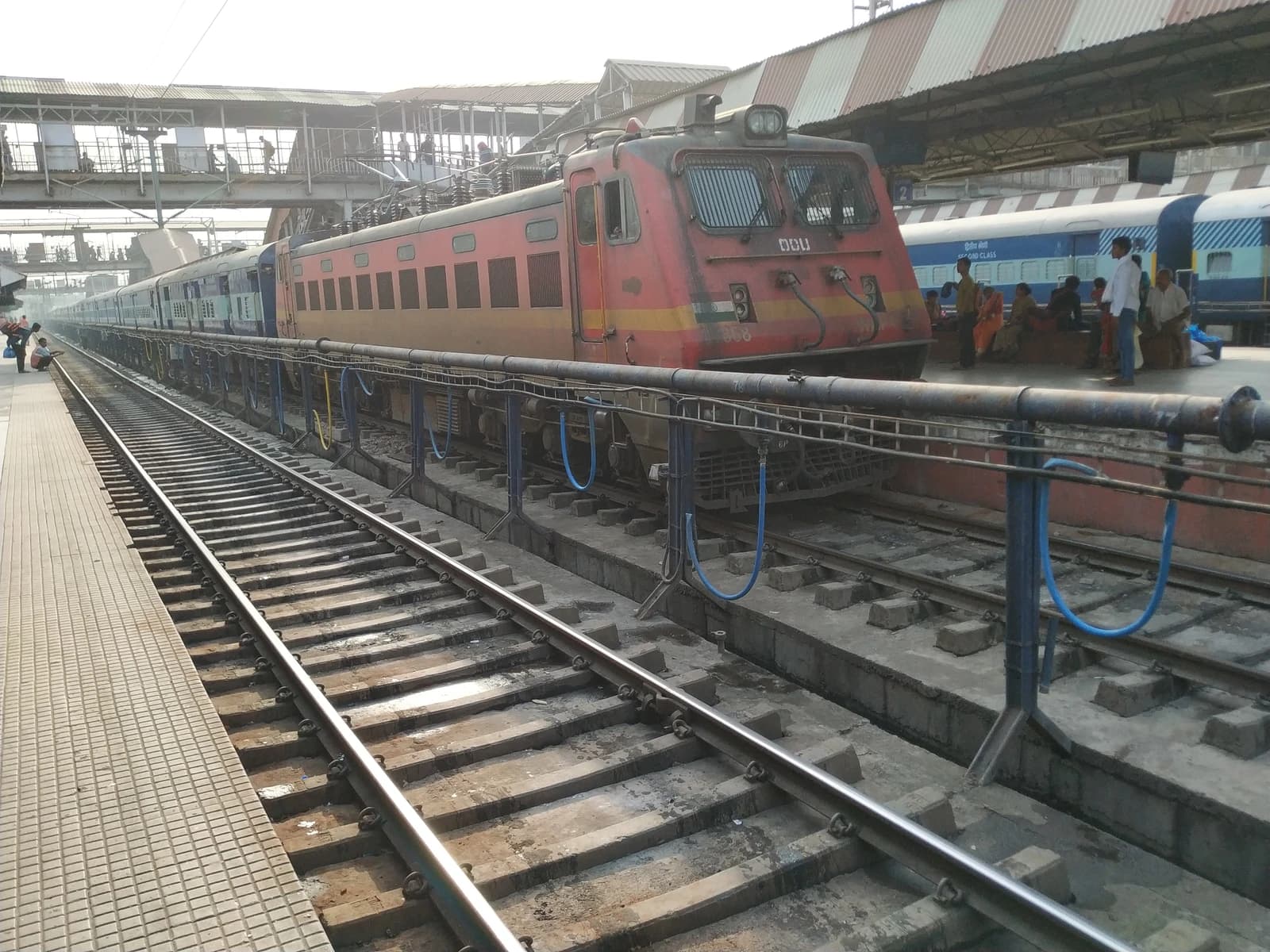
The shift matters because the 1,733-kilometer Main Line 1, the Karachi-to-Peshawar backbone of Pakistan Railways, is central to freight, passenger traffic and the country’s broader transport network. With rolling stock in disrepair and service reliability under pressure, the stalled upgrade is now a drag on productivity, trade flows and public finances rather than the growth catalyst Pakistan once expected.
Sentiment IndicatorsⓘProprietary · adalytica.com · September 25, 2026
This is a snapshot — live sentiment, awareness and momentum for 130+ markets update continuously in the dashboard.Open AlphaPulse
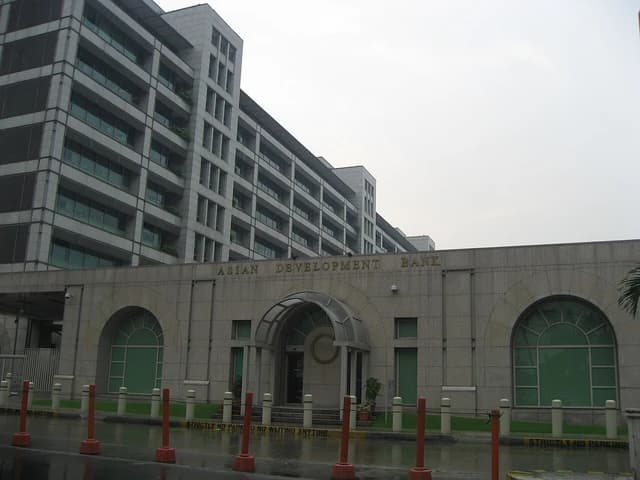
Pakistan had initially turned down ADB support after China said it would fund the project alone as part of the China-Pakistan Economic Corridor. That decision left Islamabad tied to a promise that has yet to materialize, and the project has since been cut from the CPEC pipeline, according to a Pakistani economic affairs official cited by local media.
The original overhaul was estimated at $7.7 billion, with earlier reporting putting the broader Chinese infrastructure push in Pakistan at about $62 billion. Instead of new track, signaling and locomotives, passengers are still dealing with broken windows, faulty air conditioners, unsafe switches and aging carriages on some of the country’s most important routes.
For investors, the story is a reminder of sovereign execution risk in frontier markets and of the financing gap that opens when geopolitical capital does not translate into disbursements. It also shows why multilateral lenders such as ADB can regain leverage when bilateral projects stall, potentially reshaping the funding mix for Pakistan’s transport sector.
The market implication is broader than rail: delayed infrastructure spending means slower economic throughput, weaker logistics capacity and higher pressure on Pakistan’s already stretched budget and external accounts. Any revived ADB-led package would likely come with tighter conditions, but it may be the only path to getting the line rebuilt.
Watch for confirmation of any new funding structure, plus signs that Islamabad is willing to trade speed for reliability after years of lost time.
| Entity | Gains | Losses |
|---|---|---|
| ADB | ▲Lending mandate returns | ▼China-funded project stalls |
| Pakistan Railways | ▲Chance of revived upgrade | ▼Years of deferred maintenance |
| China | ▲Avoids near-term funding burden | ▼Belt and Road credibility |
| Passengers/Cargo users | ▲Potential safer service later | ▼Continued poor service now |